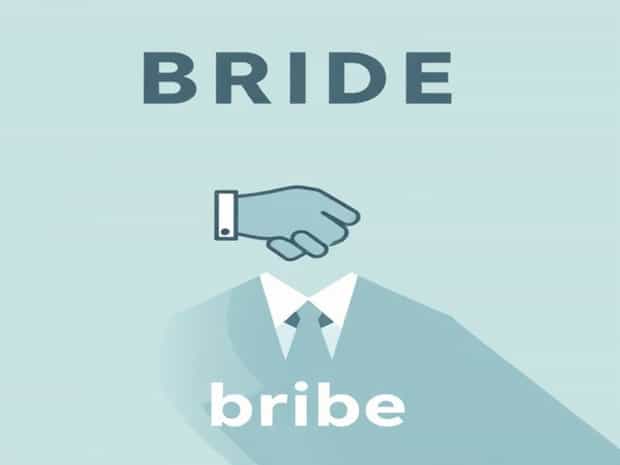
Use Bribe In A Sentence
In everyday life, the concept of bribery is often discussed in news stories, movies, and even casual conversations. A bribe is an offer of money, gifts, or other incentives given to someone to influence their actions or decisions in an unfair or illegal way. Understanding how to use the word bribe in a sentence can help learners of English communicate ideas about ethics, law, and personal experiences clearly. By exploring practical examples, context, and related phrases, one can grasp not only the meaning of bribe but also how to apply it effectively in conversation or writing.
Definition of Bribe
A bribe is something offered or given to persuade someone to act dishonestly or unlawfully. Bribery is considered illegal in most countries and is often associated with corruption in business, politics, and law enforcement. Bribes can take many forms, including cash payments, gifts, favors, or even promises of future benefits. The word bribe can be used both as a noun and a verb, making it versatile in constructing sentences.
How to Use Bribe as a Noun
When using bribe as a noun, it refers to the actual object or offer intended to influence someone. Here are some examples
- The company offered a bribe to secure the contract.
- He accepted a bribe from the vendor to overlook safety violations.
- Authorities discovered that a bribe had been exchanged to manipulate the election results.
- She refused the bribe, insisting on following the rules.
- The politician was caught accepting a bribe from a construction company.
How to Use Bribe as a Verb
As a verb, bribe describes the action of offering or giving a bribe to someone. Examples include
- He tried to bribe the guard to gain entry into the restricted area.
- The businessman attempted to bribe the official to approve the permit.
- She was offered money to bribe her way through the process.
- They were caught trying to bribe the inspector with gifts.
- He refused to bribe anyone, believing in fairness and honesty.
Common Contexts for Using Bribe
Understanding the common contexts where bribe appears can help learners use it naturally. Bribery is often mentioned in situations involving government, business, education, or law enforcement. It can also come up in informal or humorous contexts, such as offering someone a treat to gain a favor.
Bribe in Politics and Law
Political scandals and corruption cases often involve bribery. Using bribe in sentences about politics can highlight issues of honesty and ethics. Examples
- The senator faced accusations of accepting a bribe from a lobbying group.
- Bribery can undermine trust in government institutions.
- Investigators found evidence of a bribe linked to the contract award.
- She refused to bribe the officials, even when pressured by her colleagues.
Bribe in Business
In the business world, bribery can appear in deals, contracts, and negotiations. Here are examples of sentences
- The contractor offered a bribe to expedite the building permit.
- Employees were warned not to accept any bribe from suppliers.
- The board investigated allegations of a bribe in the procurement process.
Bribe in Everyday Life
Though often illegal, the concept of bribery can appear in casual, non-serious contexts. People sometimes jokingly refer to offering small gifts or favors as a bribe. Examples
- He tried to bribe his little brother with candy to do his homework.
- Parents sometimes bribe children with treats to behave well in public.
- She jokingly said she would bribe her friend with coffee to help move her furniture.
Tips for Practicing Sentences with Bribe
To use bribe effectively in writing or speaking, it is important to practice different sentence structures and contexts. Here are some strategies
- Combine it with emotions frustration, anger, or humor.
- Use both formal and informal contexts to understand versatility.
- Practice switching between noun and verb forms.
- Incorporate other related words corruption, ethics, law, payment, or incentive.
Example Sentences for Practice
Here are additional examples to show diverse uses of bribe
- The mayor was investigated for trying to bribe the city inspector.
- She rejected the bribe, refusing to compromise her integrity.
- A bribe was offered to the referee, but he reported it immediately.
- They attempted to bribe their way through the entrance exam, but it failed.
- Even a small bribe can create ethical dilemmas in professional settings.
Common Mistakes When Using Bribe
English learners sometimes make mistakes when using bribe. Here are common errors and tips to avoid them
- Using bribe when gift is more appropriate. A bribe implies dishonesty or illegality.
- Incorrect verb forms the correct past tense is bribed.
- Confusing contexts make sure the scenario involves influence or persuasion for personal gain.
Using Bribe in Longer Sentences
Bribe can also be used in complex sentences to describe events or consequences
- Despite being offered a bribe to overlook the errors, the accountant reported the irregularities to the authorities.
- The young politician refused to accept a bribe, knowing it could ruin his career and reputation.
- They tried to bribe the committee with lavish gifts, but their plan was quickly uncovered.
Understanding how to use the word bribe in a sentence is important for expressing ideas about ethics, legality, and human behavior. By practicing both the noun and verb forms, using it in various contexts, and paying attention to common mistakes, learners can improve their English vocabulary and sentence construction. From political scandals to light-hearted examples in everyday life, bribe is a versatile word that captures the concept of influence through incentives. Using it accurately allows for clear, precise communication in both writing and speaking, making it an essential word for anyone discussing fairness, morality, and human interactions.