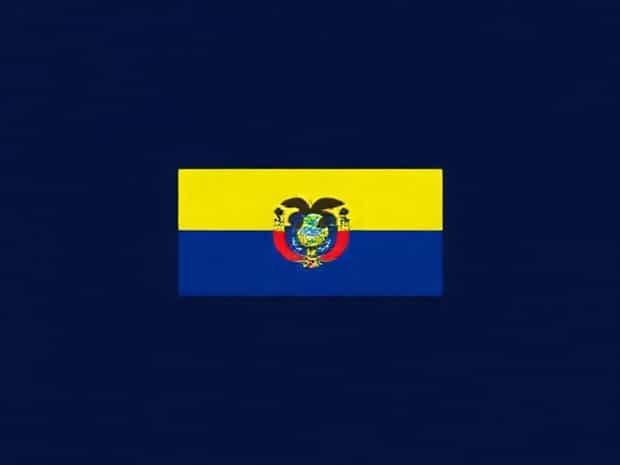
To A Flag Of Ecuador
The flag of Ecuador is one of the most distinctive national symbols in South America. With its bold colors, historical symbolism, and intricate design, it reflects the country’s cultural identity and independence. From the vibrant yellow that represents wealth and resources to the detailed coat of arms that sits at its center, the flag holds deep meaning for Ecuadorians. Understanding the story behind this flag provides insight into the nation’s journey from colonial rule to sovereignty, as well as its continuing pride in its heritage. The flag is not only a political emblem but also a cultural icon carried with honor in schools, government institutions, and international events.
Historical Background of the Flag
The origins of the flag of Ecuador can be traced back to the early 19th century when the country was part of the movement for independence in Latin America. Ecuador was once included in the Republic of Gran Colombia, a union led by Simón Bolívar. The colors of yellow, blue, and red were first used in this confederation, and they have remained an enduring symbol since then.
When Ecuador separated from Gran Colombia in 1830, the new nation needed a distinct identity. However, instead of abandoning the colors, Ecuador retained them to honor the struggles for liberty and independence. Over the years, modifications were made, particularly with the addition of the national coat of arms, to create the flag recognized today.
Design and Symbolism
The flag of Ecuador consists of three horizontal stripes yellow on top, blue in the middle, and red at the bottom. The coat of arms of Ecuador is displayed in the center, making it unique among the flags of South America.
The Yellow Stripe
The upper half of the flag is yellow, symbolizing Ecuador’s wealth, prosperity, and fertile land. It is the most prominent stripe, occupying half of the total height of the flag, unlike the blue and red, which each take up a quarter. The size of the yellow stripe emphasizes the importance of natural resources and agriculture to the country’s development.
The Blue Stripe
The middle stripe is blue, representing the sky and the Pacific Ocean that borders Ecuador. It also reflects freedom, unity, and the beauty of the nation’s geography, which includes coastlines, highlands, and the Galápagos Islands. This stripe is a reminder of the nation’s geographical diversity and its connection to the wider world.
The Red Stripe
The bottom stripe is red, symbolizing the sacrifices of the soldiers and heroes who fought for Ecuador’s independence. It stands as a tribute to those who gave their lives during wars for freedom, ensuring that future generations would live in a sovereign nation.
The Coat of Arms on the Flag
The inclusion of the coat of arms makes the Ecuadorian flag different from the simpler tricolor of Colombia or Venezuela. Each element within the emblem carries significance
- The CondorPositioned at the top, the Andean condor spreads its wings as a symbol of protection and strength.
- The ShieldThe shield contains an image of Mount Chimborazo, one of the highest volcanoes in the Andes, with the Guayas River flowing from it, symbolizing natural wealth and the nation’s geography.
- The SteamboatA representation of the ship Guayas, the first steamship built in Ecuador, symbolizing progress and innovation.
- A Sun with Zodiac SignsThe signs represent the months of March, April, May, and June, marking a historical period during which independence battles took place.
- National Colors and LaurelDraped flags and branches of laurel and palm surround the shield, signifying glory and peace.
Evolution of the Flag
Throughout history, the Ecuadorian flag has undergone changes. During the early years after independence, different versions were used, some with stars and others with variations in the stripes. By 1860, the final design with the coat of arms became official. This evolution demonstrates the process of forming a national identity, shaped by both external influences and internal pride.
The Flag in Everyday Life
In Ecuador, the national flag is more than a political symbol; it is a part of daily life. Every public school raises the flag during ceremonies, and students pledge loyalty to it as a sign of respect and patriotism. National holidays, particularly Independence Day on August 10, are marked by parades and flag displays across the country.
Government buildings, military bases, and embassies abroad also prominently display the flag. For Ecuadorians living overseas, it serves as a reminder of their roots and cultural heritage. Sporting events further highlight the emotional connection to the flag, as Ecuadorian fans wave it proudly to support their national teams.
Comparisons with Neighboring Flags
The flag of Ecuador often draws comparisons with the flags of Colombia and Venezuela because they all share the same color scheme inherited from Gran Colombia. The key difference lies in the details. While Colombia uses a plain tricolor and Venezuela includes stars, Ecuador distinguishes its flag with the elaborate coat of arms in the center. This makes Ecuador’s flag immediately recognizable among the three.
Respect and Protocol
Ecuador has specific laws governing the use and respect of the national flag. It must be treated with dignity, and improper use is considered a sign of disrespect. There are designated days when the flag is raised at half-mast to honor national mourning, and during military ceremonies, it is saluted with solemn respect.
Symbol of Unity and Pride
The Ecuadorian flag is a unifying symbol for the people, regardless of social or regional differences. It represents shared values, history, and the aspirations of the nation. Whether displayed on official buildings, during festivals, or in international events, the flag acts as a constant reminder of Ecuador’s independence and resilience.
The flag of Ecuador is more than a colorful design; it is a powerful representation of the nation’s identity. From the symbolic yellow, blue, and red stripes to the intricate coat of arms, every detail tells a story of history, sacrifice, and pride. Its evolution reflects the journey of Ecuador from colonial rule to independence, while its presence in everyday life ensures that future generations continue to respect and cherish it. For Ecuadorians, the flag is not just a national symbol it is a living emblem of unity, strength, and hope for the future.