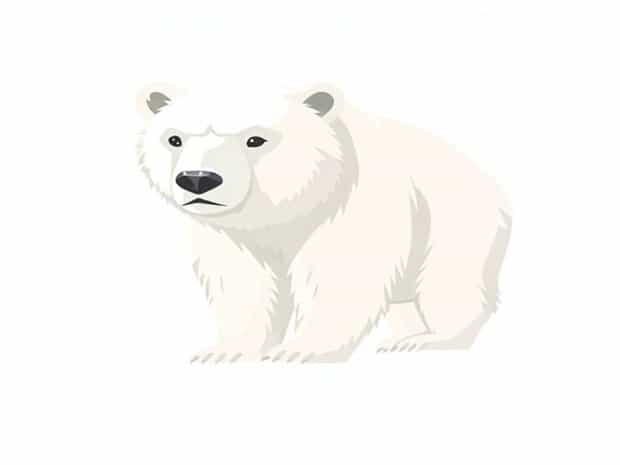
The Albino Grizzly Bear
Among the rarest creatures to walk the wild landscapes of North America, the albino grizzly bear stands out as a true marvel of nature. Known for its ghostly white coat and striking presence, this unusual bear sparks fascination and wonder wherever stories about it emerge. Unlike the typical brown or dark-furred grizzly, the albino variant carries a genetic condition that strips its fur of pigment, giving it an appearance that seems almost otherworldly. While sightings are extremely rare, the idea of such a bear captures the imagination of wildlife enthusiasts, conservationists, and researchers alike. Exploring the biology, behavior, and cultural significance of the albino grizzly bear offers a window into how unique genetic variations shape our view of the natural world.
What Makes an Albino Grizzly Bear Unique?
An albino grizzly bear is not simply a bear with light-colored fur. True albinism is a genetic condition caused by a mutation that prevents the production of melanin, the pigment responsible for coloration in skin, fur, and eyes. As a result, albino grizzly bears typically have pure white fur, pale or pinkish skin, and red or light-colored eyes. This sets them apart from naturally lighter bears such as the Kermode bear or other color variations within grizzly populations.
Distinguishing Albinism from Other Variations
It is important to note that not all white or pale grizzly bears are albino. Some may simply carry lighter fur due to genetics, age, or environmental factors. True albino grizzly bears can be distinguished by the lack of pigmentation in the eyes and skin, along with their striking all-white appearance. This makes them exceptionally rare, even within the already uncommon population of pale-colored grizzlies.
Habitat and Distribution
Grizzly bears in general are found across North America, particularly in Alaska, western Canada, and parts of the northwestern United States. The albino grizzly bear does not have a unique habitat of its own but is simply a rare genetic variation within existing populations. They may be spotted in forests, mountains, river valleys, and tundra regions where grizzlies naturally roam.
Challenges in the Wild
Albino grizzly bears may face certain disadvantages in their natural environment. Their white fur makes it harder for them to camouflage, which could affect their hunting efficiency and increase vulnerability to predators when they are cubs. Additionally, the lack of pigment can make them more sensitive to sunlight, leading to potential vision issues or skin damage. Despite these challenges, some albino grizzly bears have been reported surviving successfully in the wild, proving their resilience.
Behavior and Diet
Like all grizzly bears, the albino variant maintains similar behavior patterns and dietary habits. They are omnivores, relying on a varied diet that includes fish, berries, roots, insects, and occasionally large mammals. Their strong foraging ability, combined with adaptability, ensures that even with physical disadvantages, they can thrive under the right conditions.
Hibernation
Albino grizzly bears also follow the hibernation cycle typical of their species. In colder climates, they retreat into dens during the harsh winter months, relying on stored fat to sustain them until spring. This seasonal cycle plays a crucial role in their survival and reproduction.
Cultural and Symbolic Significance
Throughout history, white animals have often been seen as symbols of mystery, spirituality, or power. The albino grizzly bear is no exception. Indigenous legends across North America frequently feature bears as spiritual figures, and a white grizzly would likely hold even deeper meaning. Stories of rare white animals often describe them as messengers of balance, omens, or sacred beings, which reflects humanity’s fascination with unusual creatures in nature.
Myths and Folklore
While the Kermode bear, also known as the spirit bear, is more commonly associated with indigenous legends, any white bear carries similar symbolism. For many people, the albino grizzly represents purity, resilience, and the delicate balance of nature. In modern times, such sightings often spark debates about conservation and the importance of protecting biodiversity.
Scientific Interest in the Albino Grizzly Bear
Scientists and geneticists are deeply intrigued by rare cases of albinism in wildlife. Studying the albino grizzly bear provides valuable insights into genetics, inheritance, and adaptation. Research can help determine how albinism affects survival rates, reproductive success, and long-term viability within wild populations. Every confirmed sighting contributes to our understanding of genetic diversity and the ways it influences ecosystems.
Conservation Efforts
While grizzly bears in general are classified as species of concern in some areas due to habitat loss and human conflict, the albino grizzly bear faces additional risks. Their rarity makes them vulnerable to illegal hunting or poaching by those seeking a unique trophy. Conservationists emphasize the importance of protecting not only these rare individuals but also the broader ecosystems that support them.
Encounters with Humans
When an albino grizzly bear is spotted, it often becomes a subject of public fascination. Wildlife photographers, adventurers, and researchers are eager to capture such moments, sometimes leading to overcrowding in natural habitats. This can create stress for the animal and increase the risk of human-wildlife conflict. It is crucial that any encounters with albino grizzly bears are approached with respect, distance, and adherence to conservation guidelines.
Wildlife Tourism
In some regions, the possibility of spotting rare animals like an albino grizzly bear boosts eco-tourism. However, this must be carefully managed to ensure that the animal’s safety and natural behavior are not compromised. Responsible tourism can raise awareness about conservation while still protecting these extraordinary creatures.
Interesting Facts About the Albino Grizzly Bear
- Albino grizzly bears are distinct from Kermode bears, which have white fur due to a recessive gene but are not true albinos.
- They are among the rarest wildlife variations, with only a handful of documented cases worldwide.
- Albino grizzly bears may have shorter lifespans if they suffer from vision or skin issues caused by albinism, though some survive well into adulthood.
- These bears share the same diet and general behavior as normal-colored grizzlies, including hibernation and territoriality.
- Every confirmed sighting of an albino grizzly bear attracts significant attention from scientists and nature enthusiasts.
The Role of Rare Animals in Biodiversity
The presence of rare creatures like the albino grizzly bear highlights the importance of biodiversity. Each genetic variation, no matter how unusual, contributes to the broader picture of life on Earth. By protecting grizzlies and their habitats, humans also safeguard the genetic diversity that allows such rare variations to occur. This underscores the importance of conservation efforts not just for species survival, but for preserving the full spectrum of life’s possibilities.
The albino grizzly bear remains one of the most extraordinary and elusive animals in the natural world. With its pale coat and mysterious presence, it represents the beauty and fragility of nature’s diversity. Although rare, its existence reminds us of the wonders hidden within the wilderness and the importance of protecting the habitats that make such life possible. From cultural symbolism to scientific fascination, the albino grizzly bear continues to inspire awe and respect, standing as a living reminder that even in familiar landscapes, nature still holds incredible surprises.