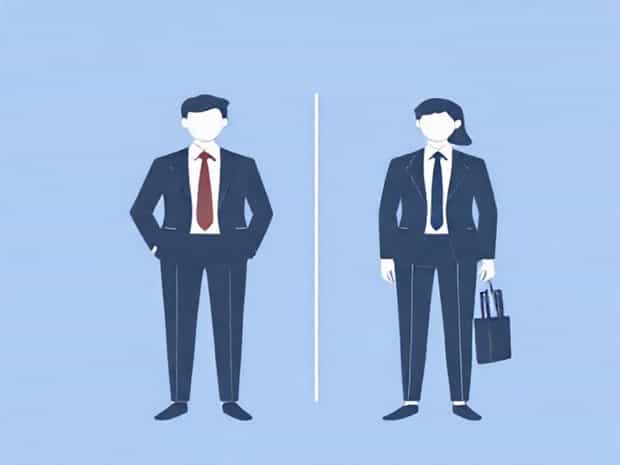
Professional Vs Unprofessional Attire
Understanding the difference between professional and unprofessional attire is crucial in creating a positive impression in the workplace. Clothing plays a significant role in how colleagues, clients, and supervisors perceive an individual’s competence, attention to detail, and respect for workplace standards. Professional attire conveys seriousness, reliability, and respect, while unprofessional attire can detract from credibility and may even affect career opportunities. This topic explores the characteristics of professional and unprofessional attire, the impact of clothing choices on workplace perception, and guidelines for dressing appropriately in various professional settings.
Defining Professional Attire
Professional attire refers to clothing that aligns with workplace expectations, conveys respect for the organizational culture, and projects competence. While the exact definition varies depending on industry, company culture, and job role, professional attire generally includes neat, clean, and appropriately fitted clothing that is suitable for the work environment.
Characteristics of Professional Attire
- Clean and Well-MaintainedClothing should be free from stains, wrinkles, and excessive wear.
- Appropriate FitClothing should neither be too tight nor too loose, ensuring comfort and a polished appearance.
- Neutral or Subtle ColorsProfessional attire often favors neutral or muted colors such as black, navy, gray, and white.
- Minimal AccessoriesAccessories should be understated and not distract from a professional image.
- Industry-Specific GuidelinesSome industries, like finance or law, may require formal suits, while creative fields may allow business casual attire.
Examples of Professional Attire
Formal Business Attire
Formal business attire typically includes tailored suits, dress shirts or blouses, dress shoes, and conservative accessories. Men might wear ties and dress shoes, while women may wear pantsuits, skirts, or professional dresses. This type of attire is standard in industries such as finance, law, and corporate management.
Business Casual Attire
Business casual attire allows for slightly less formal clothing while maintaining professionalism. Examples include collared shirts, blouses, dress pants, khakis, and skirts. Business casual is common in tech companies, creative industries, and organizations with more relaxed dress codes.
Industry-Specific Attire
Some professions have unique attire requirements. Healthcare professionals may wear scrubs, while construction managers might wear safety gear. Even in these cases, cleanliness, proper fit, and adherence to safety or uniform standards contribute to a professional appearance.
Defining Unprofessional Attire
Unprofessional attire consists of clothing that is inappropriate for the workplace, conveys carelessness, or distracts from a professional image. Wearing unprofessional clothing can negatively affect how colleagues and supervisors perceive competence, work ethic, and respect for workplace standards.
Characteristics of Unprofessional Attire
- Wrinkled, Stained, or Torn ClothingShows lack of attention to personal appearance.
- Overly Casual ClothingItems like ripped jeans, tank tops, flip-flops, or sweatpants may be unsuitable in most office environments.
- Excessive Accessories or Loud PatternsDistracting jewelry, hats, or overly bright clothing can detract from a professional image.
- Revealing ClothingClothing that is too short, low-cut, or see-through is generally inappropriate for professional settings.
- Non-Compliance with Dress CodesIgnoring company-specific rules about attire or uniforms is unprofessional.
Impact of Attire on Workplace Perception
The way employees dress can influence workplace dynamics, career progression, and overall professional reputation. Attire is often the first impression colleagues and clients form, and it can affect judgments about competence, reliability, and respect.
Influence on Credibility
Professional attire enhances credibility and demonstrates that an individual takes their role seriously. Conversely, unprofessional clothing may lead colleagues and supervisors to question judgment, attention to detail, or commitment to work responsibilities.
Effect on Career Advancement
Employees who consistently present themselves in professional attire may have better opportunities for promotions, leadership roles, and client-facing responsibilities. Dressing inappropriately can limit these opportunities and may negatively impact evaluations or professional relationships.
Impact on Workplace Culture
Attire also influences overall workplace culture. When employees adhere to professional standards, it fosters an environment of respect, consistency, and accountability. Unprofessional attire can create discomfort or disrupt team cohesion.
Guidelines for Choosing Professional Attire
To ensure that attire is professional and appropriate, employees should follow a few simple guidelines while considering the company’s dress code and industry standards.
Understand Company Dress Codes
Review the organization’s dress code policy and observe how colleagues in similar roles dress. Aligning with these standards ensures conformity and minimizes potential conflicts or misunderstandings.
Focus on Fit and Cleanliness
Always choose clothing that fits well, is clean, and is free from wrinkles or damage. Proper maintenance reflects personal care and professionalism.
Choose Neutral and Subtle Colors
Neutral tones such as black, gray, navy, or beige are generally safe choices for professional attire. Bright colors or bold patterns can be used sparingly to add personality without compromising professionalism.
Keep Accessories Minimal
Opt for simple, understated accessories. Excessive jewelry, large belts, or flashy items can distract from a professional image and shift focus away from work performance.
Adapt to Industry and Role
Consider the expectations of the industry and the specific role. Client-facing positions may require more formal attire, while back-office or creative roles may allow for business casual or smart casual options.
Understanding the distinction between professional and unprofessional attire is essential for creating a positive impression and maintaining workplace credibility. Professional attire conveys competence, respect, and attention to detail, while unprofessional clothing can negatively affect perception, opportunities, and workplace culture. Employees should familiarize themselves with company dress codes, prioritize cleanliness and fit, choose appropriate colors and accessories, and adapt their clothing choices to their specific industry and role. By dressing professionally, individuals not only enhance their own reputation but also contribute to a culture of respect and excellence, ultimately supporting career growth and organizational success.