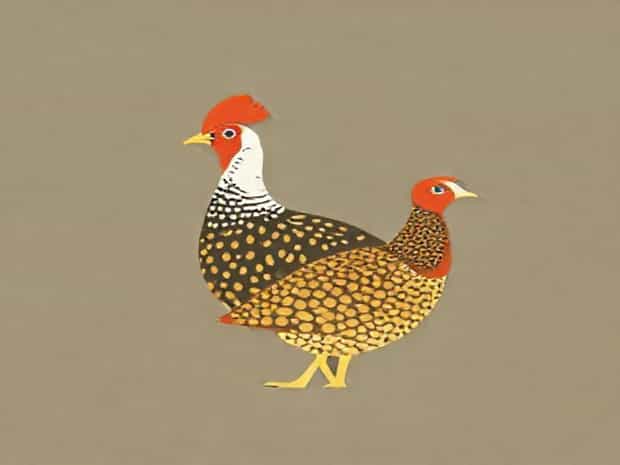
Prairie Chicken Vs Grouse
Across the grasslands and woodlands of North America, two iconic birds often spark curiosity and comparison the prairie chicken and the grouse. Both belong to the same family, making them close relatives, but they have developed distinct traits that set them apart. From their habitats and behaviors to their diets and cultural significance, the differences and similarities between prairie chickens and grouse offer fascinating insights into the natural world. By exploring these two species more deeply, we can better understand how they adapt to their environments and the role they play in local ecosystems.
Understanding the Prairie Chicken
The prairie chicken is a type of grouse that has adapted specifically to open grasslands and prairies. Known scientifically asTympanuchus cupido, this bird is famous for its unique mating display, where males inflate bright orange air sacs on their necks while producing a booming sound to attract females. This ritual takes place on leks open patches of ground where groups of males compete for attention.
Prairie chickens are medium-sized birds, with mottled brown, white, and black plumage that provides excellent camouflage in tall grasses. Their survival depends on wide, open landscapes that allow them to display, nest, and forage without heavy tree cover. Unfortunately, habitat loss has significantly reduced their populations, making them a conservation concern in many areas.
Getting to Know Grouse
The term grouse refers to a group of ground-dwelling birds within the family Phasianidae. Unlike prairie chickens, which thrive mainly in grasslands, grouse species occupy a wide variety of habitats, from boreal forests to alpine meadows. Common examples include the ruffed grouse, spruce grouse, sharp-tailed grouse, and sage grouse.
Grouse are hardy birds well adapted to cold climates, often capable of surviving snowy winters by burrowing into drifts or feeding on buds and twigs when other food sources are scarce. Their plumage tends to match their habitat, providing camouflage in forested or shrubby environments. Many grouse species also have their own elaborate mating rituals, although few are as dramatic as the prairie chicken’s booming display.
Physical Differences Between Prairie Chickens and Grouse
At first glance, prairie chickens and grouse may appear quite similar, but there are several distinguishing traits that make identification easier.
- SizePrairie chickens are generally medium-sized, while grouse species vary from small (like the spruce grouse) to relatively large (such as the sage grouse).
- ColorationPrairie chickens have barred brown and white feathers with distinctive pinnae (feather tufts) on their heads. Grouse species exhibit a range of colors from mottled gray to dark brown depending on their environment.
- Display featuresMale prairie chickens have inflatable orange air sacs and upright feathers, while most grouse rely on drumming sounds, strutting, or feather displays.
Habitat Preferences
One of the key differences between prairie chickens and other grouse lies in their choice of habitat. Habitat determines not only how these birds survive but also how they reproduce and interact with their environment.
Prairie Chicken Habitat
Prairie chickens are strongly tied to grasslands. Tallgrass prairies, mixed grass plains, and open meadows are essential for their survival. They require large, undisturbed expanses of land for their leks, nesting grounds, and foraging areas. Agricultural development and urban expansion have greatly reduced these habitats, contributing to population decline.
Grouse Habitat
Grouse species show much more diversity in habitat choice. Ruffed grouse prefer deciduous forests, spruce grouse thrive in coniferous woodlands, and sage grouse inhabit sagebrush ecosystems. This adaptability allows grouse to occupy a wider range of environments compared to prairie chickens, which are more specialized in their requirements.
Behavioral Differences
Behavior is another area where prairie chickens and grouse diverge. These differences are especially noticeable during mating seasons and in their daily habits.
- Mating displaysPrairie chickens are known for their lekking behavior, where males gather in groups to perform synchronized displays. Grouse species may also perform displays, but many rely on drumming or solitary strutting rather than communal leks.
- FeedingBoth prairie chickens and grouse feed on a mix of seeds, insects, and vegetation, but prairie chickens often consume more grasses and forbs, while forest-dwelling grouse depend on buds, leaves, and berries.
- DefensePrairie chickens rely heavily on camouflage and fleeing through flight. Grouse, on the other hand, may also freeze in place, blend into their environment, or take sudden short flights to escape predators.
Cultural and Historical Importance
Both prairie chickens and grouse hold cultural significance in North America. Indigenous peoples often regarded them as important sources of food and incorporated them into traditions and folklore. In the 19th and early 20th centuries, hunting prairie chickens was a common practice, and their booming calls became a well-known sound across the plains.
Grouse have long been valued as game birds, with species like the ruffed grouse being prized for sport hunting. Their role in outdoor traditions has shaped conservation efforts, as declining populations have led to stricter management and restoration programs to ensure future survival.
Conservation Challenges
While both prairie chickens and grouse face conservation concerns, the pressures they face differ slightly based on their habitats.
Prairie Chickens
Habitat loss due to farming, grazing, and development is the main threat. Prairie chickens need wide expanses of land, and fragmentation reduces their ability to reproduce successfully. Conservation programs focus on habitat restoration and protection of grasslands.
Grouse
Many grouse species are threatened by habitat degradation. For example, sage grouse populations have been shrinking due to loss of sagebrush ecosystems. Forest-dwelling grouse are impacted by logging, climate change, and changes in forest composition.
Similarities Worth Noting
Despite their differences, prairie chickens and grouse share many traits that highlight their close relationship
- Both are ground-nesting birds that rely on camouflage to protect their eggs and chicks.
- Both have elaborate mating rituals that involve sound and visual displays.
- Both play important roles in ecosystems by controlling insect populations and serving as prey for larger predators.
- Both are indicators of environmental health, with population declines signaling habitat problems.
Which is More Adaptable?
When comparing adaptability, grouse as a group generally have the advantage. Their ability to thrive in a variety of habitats from dense forests to dry sagebrush regions makes them more resilient overall. Prairie chickens, by contrast, are highly specialized grassland birds that struggle when their environment is altered.
However, prairie chickens demonstrate remarkable persistence in suitable habitats, with their booming displays continuing to capture the imagination of bird enthusiasts and conservationists alike.
Prairie chickens and grouse may share a family tree, but their paths through evolution have produced unique characteristics that set them apart. Prairie chickens, with their spectacular lekking displays and reliance on grasslands, symbolize the open prairies of North America. Grouse, with their adaptability to various habitats and hardiness in harsh conditions, showcase resilience and versatility. Both birds highlight the beauty and complexity of avian life in North America, reminding us of the importance of protecting diverse habitats to ensure their continued survival. By understanding the distinctions and connections between prairie chickens and grouse, we gain a richer appreciation for the wild landscapes they call home.