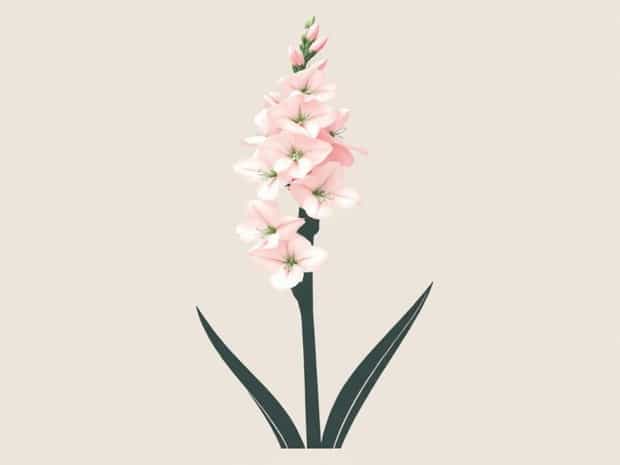
My Gladiolus Are Not Blooming
Gladiolus are beloved flowering plants known for their tall spikes of colorful blooms that can brighten any garden or floral arrangement. However, it can be frustrating when these plants fail to bloom despite seemingly proper care. Understanding the reasons why gladiolus may not flower is crucial for gardeners who want to enjoy their full display of vibrant colors. Many factors, including planting practices, soil conditions, light exposure, and nutrient levels, influence whether gladiolus will bloom successfully. By identifying potential problems and making targeted adjustments, you can encourage healthy growth and abundant flowers in your garden.
Planting Time and Depth
The timing and depth at which gladiolus corms are planted can significantly affect blooming. Gladiolus corms require warm soil to sprout and grow properly, and planting too early in cold soil can delay or prevent flowering. In cooler climates, wait until the soil temperature consistently reaches around 60°F before planting. Planting corms too deep or too shallow can also interfere with bloom production. Typically, corms should be planted about 4 to 6 inches deep, with a spacing of 6 to 8 inches between them, allowing adequate room for growth and air circulation.
Choosing Quality Corms
Another critical factor is the quality of the corms themselves. Old, damaged, or diseased corms may sprout foliage but fail to produce flowers. Always select firm, healthy corms without signs of mold, rot, or shriveling. Fresh corms planted at the correct depth are more likely to produce strong spikes and vibrant blooms. Some gardeners also pre-sprout corms indoors to ensure they are healthy before planting them outdoors.
Soil Conditions
Gladiolus thrive in well-draining soil with a slightly acidic to neutral pH. Heavy clay or waterlogged soil can lead to root rot or weak growth, preventing flowering. Sandy soils that drain too quickly may also hinder nutrient uptake. Amending the soil with organic matter such as compost or well-rotted manure improves structure, aeration, and nutrient availability. Ensuring proper drainage is essential, as standing water around corms can stunt growth and inhibit bloom development.
Nutrient Requirements
Proper nutrition is key for gladiolus to produce flowers. While they need a balanced diet of nitrogen, phosphorus, and potassium, excessive nitrogen can encourage lush foliage at the expense of blooms. Phosphorus and potassium, on the other hand, support strong flower spike development and root growth. Using a fertilizer formulated for flowering bulbs, applied according to package instructions, can help correct nutrient imbalances and promote blooming.
Sunlight Exposure
Gladiolus require full sunlight for most of the day to initiate flowering. Inadequate light may result in tall, weak foliage with few or no blooms. Ideally, plant gladiolus in a location that receives at least six hours of direct sunlight daily. If grown in shaded areas, consider transplanting them to a sunnier spot to stimulate flowering. Sunlight not only triggers bloom development but also enhances the vibrant colors of the flowers.
Watering Practices
Consistent watering is essential for gladiolus, especially during the growing season. However, both overwatering and underwatering can cause problems. Water deeply to encourage strong root development, but allow the soil to dry slightly between watering sessions to prevent corm rot. Mulching around the plants can help retain moisture, regulate soil temperature, and reduce weed competition, all of which contribute to healthier, blooming gladiolus.
Pest and Disease Issues
Pests and diseases can also prevent gladiolus from blooming. Common pests include thrips, aphids, and spider mites, which can damage foliage and flower spikes. Diseases such as botrytis or fusarium wilt may weaken the plant, reducing its ability to produce flowers. Inspect plants regularly for signs of pests or disease, and remove affected leaves or corms promptly. Applying appropriate organic or chemical treatments when necessary can protect plants and encourage healthy blooming.
Environmental Stress
Gladiolus are sensitive to environmental stress, which can include extreme temperatures, strong winds, or sudden changes in weather. Heat stress or prolonged drought may cause the plant to focus on survival rather than flowering. Providing support for tall spikes, such as stakes or cages, protects them from wind damage and ensures that flowers have the best chance to develop fully. Avoiding excessive manipulation and maintaining stable growing conditions helps the plant thrive and produce blooms.
Timing and Age of the Corms
Young or newly planted corms may not bloom in their first season. Gladiolus often require a building year where the corm establishes roots and foliage before producing flowers. Allowing the plant to grow without disturbance during this period ensures stronger bloom potential in subsequent seasons. Replacing corms every few years with fresh, healthy ones also promotes consistent flowering.
Encouraging Future Blooms
After flowering, it is important to care for gladiolus properly to ensure future blooms. Cut flower spikes promptly after they fade, but leave the foliage intact until it turns yellow and dies back naturally. The leaves continue to photosynthesize and provide energy to the corms, preparing them for the next growing season. Digging up and storing corms properly in dry, cool conditions during winter in colder climates preserves them for replanting and encourages reliable blooms year after year.
Common Mistakes to Avoid
Several common mistakes can lead to gladiolus not blooming. These include planting in shaded areas, over-fertilizing with nitrogen-rich fertilizers, planting corms too deep or too shallow, and neglecting proper watering practices. Additionally, failing to protect the plants from pests, diseases, or extreme weather can compromise flower production. Careful attention to planting location, soil preparation, fertilization, and seasonal care is essential to avoid these pitfalls and achieve vibrant blooms.
Monitoring and Adjusting Care
Gardeners should observe their gladiolus regularly and adjust care based on plant performance. If spikes appear weak or flowers fail to develop, reassess factors such as soil nutrients, light exposure, and watering practices. Small adjustments, like adding a phosphorus-rich fertilizer or relocating plants to a sunnier spot, can make a significant difference in bloom production. Patience is key, as changes may take a season to fully impact flowering success.
When gladiolus are not blooming, it can be frustrating, but understanding the underlying causes and addressing them effectively can restore healthy flower production. Factors such as planting time and depth, soil quality, nutrition, sunlight exposure, watering practices, pest and disease management, environmental conditions, and the age of the corms all play a role in successful blooming. By carefully evaluating these factors, applying proper care, and avoiding common mistakes, gardeners can encourage their gladiolus to produce tall, vibrant flower spikes that enhance any garden. With attention, patience, and consistent maintenance, your gladiolus can flourish and reward you with beautiful, colorful blooms season after season.