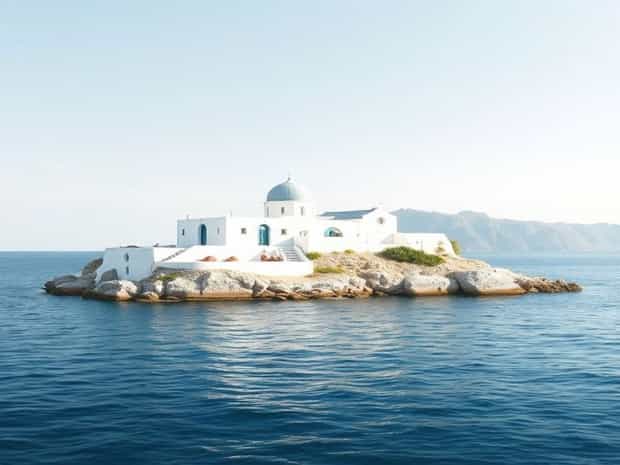
Most Southerly Greek Island
Among the countless islands scattered across the Aegean and Mediterranean Seas, the most southerly Greek island stands out for its beauty, history, and strategic location. Known as Gavdos, it is a small island south of Crete, and it is the southernmost point not only of Greece but also of Europe. Its remote position makes it a unique destination, offering visitors a glimpse into untouched natural landscapes, ancient myths, and traditional Greek life. Unlike larger islands such as Crete, Rhodes, or Corfu, Gavdos has preserved its sense of isolation, which adds to its charm and mystery.
Location and Geography
Gavdos lies about 48 kilometers south of Crete, surrounded by the deep blue waters of the Libyan Sea. It covers a modest area of around 30 square kilometers, making it a relatively small island compared to other Greek islands. Despite its size, it plays a significant role geographically, marking the southernmost boundary of Europe. The island features sandy beaches, rocky cliffs, pine forests, and traditional stone houses that blend with the natural environment. Its position near Africa means it enjoys a warm climate throughout the year, with mild winters and hot summers.
Historical Importance
The most southerly Greek island has been mentioned in ancient texts and myths. Gavdos is often associated with the legendary island of Ogygia, where the nymph Calypso was said to have held Odysseus captive in Homer’s Odyssey. Archaeological findings also reveal that the island was inhabited since Neolithic times. In the Byzantine era, it was used as a place of exile, and during Ottoman rule, it remained sparsely populated. Today, while it does not hold major urban centers, Gavdos maintains its historical aura and continues to intrigue travelers and researchers alike.
Population and Lifestyle
Unlike bustling Greek islands that attract millions of tourists, Gavdos is home to only a small number of permanent residents, often estimated at fewer than 100. Most of them are fishermen, farmers, or people connected to small-scale tourism. The lifestyle here is simple, centered around nature and tradition. Electricity and modern conveniences were introduced relatively late, and many houses still maintain their rustic charm. Visitors to the island often remark on the peacefulness and the slow pace of life, which feels far removed from the modern world.
Natural Attractions
Despite its small size, Gavdos offers a variety of natural attractions that make it a favorite among travelers who seek tranquility and unspoiled beauty. Some highlights include
- Sarakiniko BeachA long sandy beach with crystal-clear waters, popular among campers and nature lovers.
- Tripiti CapeThe southernmost point of Europe, where visitors can sit on the giant chair sculpture that symbolizes the end of the continent.
- Agios Ioannis BeachKnown for its golden sands and natural beauty, often considered one of the best beaches in Greece.
- Pine ForestsOffering shade and contrast to the sandy landscapes, these forests provide opportunities for walking and relaxation.
Tourism on the Most Southerly Greek Island
Tourism in Gavdos is very different from the mass tourism of Crete, Santorini, or Mykonos. Visitors come here not for luxury hotels or busy nightlife but for camping, hiking, and enjoying untouched beaches. Small tavernas serve fresh seafood and local dishes, creating an authentic Greek dining experience. Many travelers are drawn to Gavdos for its reputation as a hidden paradise, where one can connect with nature without the distractions of modern life. Because of its remoteness, reaching the island requires planning, usually involving a boat trip from Crete.
Climate and Best Time to Visit
The island’s climate is influenced by its southern location, with long, hot summers and very mild winters. The best time to visit is between late spring and early autumn, when the weather is warm and ideal for swimming, camping, and outdoor activities. Unlike northern islands, Gavdos often experiences fewer rainy days, making it attractive for travelers who prefer guaranteed sunshine. The extended summer season also means that visitors can enjoy the beaches for much longer compared to other parts of Greece.
Cultural Significance
Although small, Gavdos has a cultural identity rooted in tradition. Local festivals, religious celebrations, and folk music are part of community life. Traditional architecture includes stone-built houses with flat roofs, designed to withstand the Mediterranean climate. The sense of hospitality is strong, with locals often welcoming visitors as if they were old friends. The island also holds symbolic importance as the southern edge of Europe, a place where geography meets cultural identity, reminding people of the continent’s diversity.
Access and Transportation
Reaching the most southerly Greek island requires effort, which is part of its appeal. There is no airport, and access is only possible by ferry from Crete, usually from ports like Chora Sfakion or Paleochora. Boat schedules are limited and depend on weather conditions, which adds to the island’s sense of isolation. Once on Gavdos, transportation options include small buses, rental bikes, or simply walking, since distances are relatively short. This limited accessibility helps maintain its untouched character and prevents overcrowding.
Why Gavdos Stands Out
Gavdos differs from other Greek islands in many ways. Its isolation, natural beauty, and historical associations give it a unique identity. While it lacks the glamorous lifestyle of Santorini or the party atmosphere of Mykonos, it offers something far more rare peace, authenticity, and the feeling of being at the very edge of Europe. For those seeking an escape from modern tourism, Gavdos is often considered a dream destination.
Nearby Islands and Connections
Although Gavdos is the most southerly Greek island, it is often visited as part of a broader journey that includes Crete. Many travelers combine their trip with exploring Crete’s southern coast, where they can experience charming villages, dramatic gorges, and ancient ruins. The connection between Crete and Gavdos highlights the contrast between a large, developed island and a small, untouched one. Together, they represent two sides of Greek island life one full of energy and diversity, the other peaceful and secluded.
Modern Challenges and Preservation
Like many remote locations, Gavdos faces challenges related to development, sustainability, and preserving its natural environment. Limited infrastructure makes life difficult for permanent residents, while the growing interest in tourism brings concerns about maintaining the island’s fragile ecosystem. Efforts are being made to balance tourism with conservation, ensuring that Gavdos remains a pristine destination for future generations.
The most southerly Greek island, Gavdos, may be small, but it holds a special place in the geography and culture of Greece. Its location in the Libyan Sea, far from the bustle of mainstream tourism, makes it a haven for travelers seeking authenticity and natural beauty. With its rich history, stunning beaches, and symbolic status as Europe’s southernmost point, Gavdos continues to attract those who want to experience something different. More than just an island, it is a reminder of the diversity, resilience, and timeless charm of the Greek world.