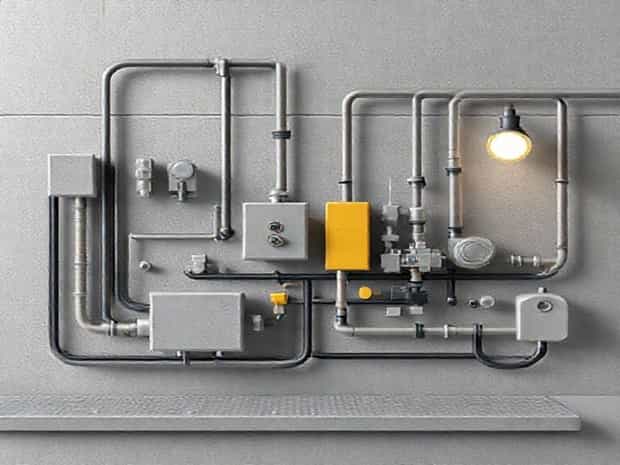
Modular Mep Design And Prefabrication
In the construction and building services industry, modular MEP design and prefabrication have become increasingly popular as methods to improve efficiency, reduce costs, and enhance quality control. MEP stands for mechanical, electrical, and plumbing systems, which are critical components in any building project. Traditionally, these systems are installed on-site, which can be time-consuming, labor-intensive, and prone to errors. However, with the adoption of modular design and prefabrication techniques, the industry is experiencing a significant transformation in how buildings are planned, constructed, and maintained.
Understanding Modular MEP Design
Modular MEP design involves creating standardized, pre-engineered components for mechanical, electrical, and plumbing systems. These modules are designed to fit together seamlessly, allowing for faster assembly and easier integration into the overall building structure. The modular approach enables engineers and designers to plan the MEP systems more efficiently, optimizing space, reducing conflicts with other building components, and improving overall system performance.
Advantages of Modular MEP Design
- Time EfficiencyDesigning MEP systems in modular sections reduces on-site installation time, as many components are pre-engineered and pre-tested in a controlled environment.
- Quality ControlPrefabricated modules are manufactured in factories under strict quality standards, minimizing defects and ensuring consistent performance.
- Space OptimizationModular design allows for precise planning of mechanical rooms, ductwork, piping, and electrical layouts, making the best use of available space.
- Reduced ErrorsEarly detection of design conflicts through 3D modeling and modular planning reduces the risk of on-site issues and costly rework.
Prefabrication in MEP Systems
Prefabrication refers to the off-site assembly of MEP components into modules that can be transported and installed on-site. This approach is particularly effective for complex systems where precision and coordination are critical. Prefabricated MEP modules can include ductwork assemblies, pipe racks, electrical panels, and even complete plant rooms. By moving a significant portion of the construction work off-site, prefabrication minimizes disruptions on-site, improves worker safety, and accelerates project schedules.
Components Commonly Prefabricated
- Ducting and air handling units
- Piping systems for water, gas, and HVAC
- Electrical conduits and panel assemblies
- Mechanical rooms and service racks
Integration of Modular Design and Prefabrication
Combining modular design with prefabrication offers a streamlined workflow from design to installation. Engineers use building information modeling (BIM) to create detailed 3D representations of MEP systems. These models help in identifying potential clashes, optimizing layouts, and planning for transportation and installation of prefabricated modules. The integration ensures that modules fit perfectly into the building’s structure, reducing the likelihood of errors and improving overall project efficiency.
Benefits of Integration
- Faster ConstructionModules can be manufactured simultaneously while on-site preparations are ongoing, significantly shortening project timelines.
- Cost SavingsReduced labor, minimized waste, and fewer rework incidents lead to overall lower project costs.
- Improved SafetyOn-site work is minimized, reducing exposure to hazardous conditions for workers.
- SustainabilityControlled factory conditions result in less material waste and more efficient use of resources.
Challenges and Considerations
While modular MEP design and prefabrication offer numerous advantages, there are several challenges to consider. Coordination between design teams, manufacturers, and on-site contractors is critical to ensure that modules fit correctly. Transportation and handling of large prefabricated modules require careful planning to prevent damage. Additionally, upfront design and planning require a higher level of precision and collaboration compared to traditional on-site methods.
Strategies for Successful Implementation
- Early involvement of all stakeholders, including architects, engineers, and contractors
- Utilization of advanced BIM software for clash detection and accurate design
- Planning for transportation logistics and site accessibility
- Training workforce in handling and installing prefabricated modules
- Regular quality checks at the manufacturing facility
Case Studies and Industry Adoption
Many large-scale construction projects worldwide have successfully implemented modular MEP design and prefabrication. For instance, hospitals, data centers, and commercial buildings have benefited from faster construction timelines and improved system reliability. Prefabricated MEP solutions are particularly advantageous in high-rise buildings, where on-site installation can be challenging and space constraints are significant. The adoption of modular and prefabricated MEP systems continues to grow as the industry recognizes the long-term benefits of efficiency, quality, and sustainability.
Future Trends
- Advanced Digital ToolsGreater reliance on BIM, digital twins, and automation for precise design and manufacturing of MEP modules.
- StandardizationIncreased standardization of components to streamline prefabrication and reduce manufacturing complexity.
- Sustainable ConstructionGreater focus on energy-efficient systems and environmentally friendly materials within modular MEP designs.
- Integration with Smart BuildingsModular MEP systems designed to accommodate IoT devices, smart sensors, and automated controls.
Modular MEP design and prefabrication represent a significant advancement in construction methodology, offering improved efficiency, quality, and sustainability. By standardizing components and moving assembly off-site, projects can achieve faster timelines, lower costs, and higher precision. Successful implementation requires careful planning, coordination, and the use of modern digital tools. As the construction industry continues to evolve, modular and prefabricated MEP systems are likely to become standard practice, driving innovation and transforming the way buildings are designed and constructed. For contractors, engineers, and developers, embracing these techniques is not just an option but a strategic advantage that can deliver measurable benefits in every project.