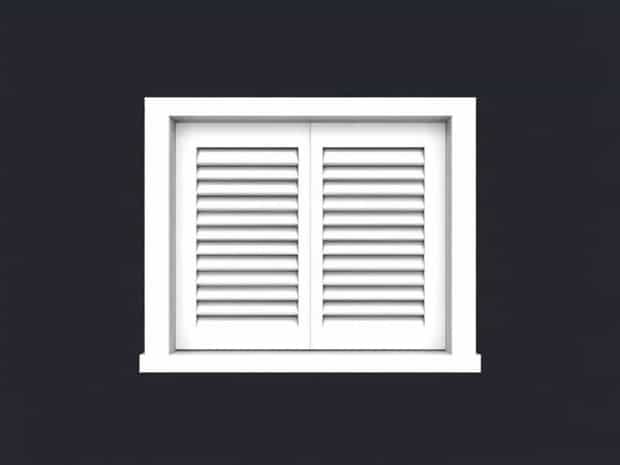
Modern Louver Window Design
Modern louver window design has become a popular choice for homeowners, architects, and interior designers who seek a combination of aesthetic appeal, natural ventilation, and energy efficiency. Unlike traditional windows, louver windows are composed of parallel slats that can be angled to control airflow while maintaining privacy and light. This design flexibility allows for a wide range of applications, from residential spaces to commercial buildings. With contemporary architecture emphasizing clean lines, minimalism, and functional beauty, modern louver windows provide a solution that enhances both the exterior and interior appearance of any structure. Understanding the key elements, materials, and benefits of these windows can help homeowners make informed decisions when planning renovations or new constructions.
Key Features of Modern Louver Window Design
Modern louver windows are distinguished by their sleek lines, adjustable slats, and versatile functionality. Unlike conventional windows that open fully or tilt, louver windows allow for precise control over airflow and light. Key features include
- Adjustable slats that can be angled to control ventilation
- Durable frames made from materials such as aluminum, uPVC, or wood
- Minimalistic design that complements modern architectural styles
- Weather-resistant options suitable for various climates
These features make louver windows not only a practical choice for ventilation but also an attractive architectural element that enhances the overall aesthetics of a building.
Materials Used in Modern Louver Windows
The materials used in constructing modern louver windows play a significant role in durability, maintenance, and appearance. Common materials include
- AluminumLightweight, corrosion-resistant, and available in a variety of finishes, aluminum louvers offer a sleek, modern look with minimal maintenance.
- uPVCAffordable and low-maintenance, uPVC louvers provide excellent insulation and are resistant to weathering and fading.
- WoodOffers a classic and natural appearance, ideal for both traditional and contemporary interiors, though it may require more upkeep.
- Glass louversAllow maximum natural light while providing adjustable ventilation; often used in modern high-end homes and commercial spaces.
Advantages of Modern Louver Window Design
Modern louver windows provide multiple benefits that make them a preferred choice in contemporary architecture. These advantages include
- Enhanced ventilation The adjustable slats allow fresh air to flow while keeping out rain or excessive sunlight.
- Energy efficiency Proper airflow reduces the need for air conditioning, lowering energy consumption.
- Privacy control Louvers can be angled to prevent outside visibility while still allowing light and air.
- Durability Modern materials like aluminum and uPVC ensure long-lasting performance with minimal maintenance.
- Design flexibility Louver windows can be incorporated into various architectural styles, from minimalistic homes to commercial buildings.
Applications in Residential Architecture
In residential settings, modern louver windows are often used in areas where ventilation, privacy, and aesthetic appeal are important. Typical applications include
- Living rooms and bedrooms to maximize natural airflow without compromising security
- Bathrooms and kitchens where moisture-resistant materials prevent damage
- Balconies and sunrooms to create a seamless indoor-outdoor connection
- Exterior walls as part of energy-efficient building designs
By carefully choosing materials and placement, homeowners can create a comfortable living environment while enhancing the visual appeal of their homes.
Applications in Commercial and Industrial Buildings
Modern louver window design is also widely used in commercial and industrial settings where airflow, light, and energy efficiency are critical. Examples include
- Office buildings to maintain comfortable temperatures and reduce HVAC costs
- Retail spaces for aesthetic appeal and natural ventilation
- Industrial facilities to control airflow and manage environmental conditions
- Hotels and resorts to provide modern looks while maintaining guest comfort
In these applications, louver windows contribute to sustainability by improving natural ventilation and reducing reliance on artificial cooling systems.
Design Considerations for Modern Louver Windows
When selecting and installing louver windows, several design factors must be considered to ensure functionality and style
- OrientationPositioning windows based on sunlight and prevailing winds enhances natural ventilation and comfort.
- Material choiceSelecting the appropriate material affects durability, maintenance, and aesthetic appeal.
- Slat size and angleProper sizing ensures optimal airflow while maintaining privacy and protection from rain.
- Integration with building designLouver windows should complement the overall architectural style and interior décor.
Maintenance and Longevity
Modern louver windows are designed for durability, but proper maintenance ensures long-term performance. Maintenance tips include
- Regular cleaning of slats to remove dust and debris
- Checking for corrosion or wear in metal frames
- Repainting or sealing wooden frames periodically to prevent moisture damage
- Lubricating moving parts for smooth operation of adjustable slats
With consistent care, louver windows can maintain their aesthetic appeal and functionality for decades, providing both comfort and style in any building.
Trends in Modern Louver Window Design
Current trends in modern louver window design emphasize sustainability, minimalism, and technology integration. Popular trends include
- Automated louvers that adjust based on temperature or sunlight
- Energy-efficient glass slats to improve insulation and reduce energy consumption
- Mixed-material frames that combine metal, wood, and glass for unique aesthetics
- Customizable colors and finishes to match contemporary architecture
These trends demonstrate how modern louver windows continue to evolve, providing innovative solutions for ventilation, light control, and building aesthetics.
Modern louver window design combines functionality, energy efficiency, and aesthetic appeal, making it a versatile choice for both residential and commercial buildings. With adjustable slats, durable materials, and customizable designs, louver windows provide effective ventilation, privacy, and natural lighting. Whether used in homes, offices, or industrial facilities, these windows enhance comfort while supporting sustainable building practices. By understanding the materials, applications, and maintenance requirements, property owners can invest in louver windows that offer long-lasting performance and modern elegance. As architectural trends continue to prioritize minimalism and efficiency, modern louver windows remain a key element in achieving a balance between design, practicality, and sustainability.
This topic is structured for SEO, includes headings, subheadings, and lists, and is written in clear, natural English suitable for readers interested in modern louver window design. It is approximately 1000 words.