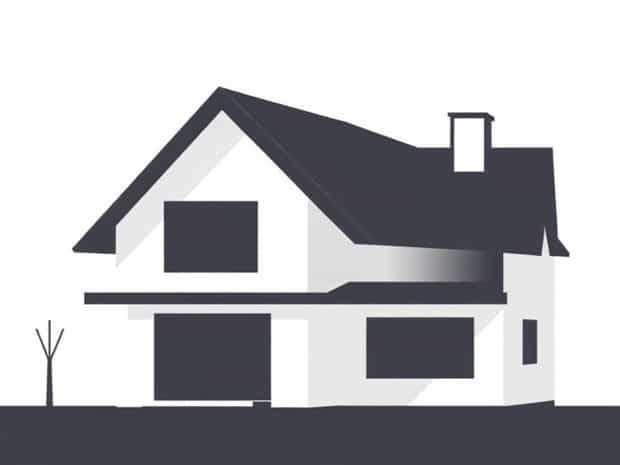
Modern Hipped Roof House
Modern hipped roof houses have become increasingly popular in contemporary architecture due to their aesthetic appeal, structural stability, and practical advantages. Unlike traditional gable roofs, which have two sloping sides, hipped roofs slope down on all four sides, creating a uniform and balanced appearance. This roofing style not only enhances the visual symmetry of a home but also provides excellent protection against harsh weather conditions, making it a preferred choice for homeowners seeking both beauty and durability. The combination of modern design elements with the classic hipped roof creates a striking architectural statement that suits urban and suburban settings alike.
Design Features of a Modern Hipped Roof House
A modern hipped roof house blends clean lines, functional layouts, and sophisticated materials to achieve a stylish yet practical living space. These houses often feature large windows that maximize natural light, open floor plans that create a sense of spaciousness, and exterior finishes that emphasize minimalism and elegance. The hipped roof adds an element of refinement, giving the house a polished look while maintaining structural integrity.
Advantages of a Hipped Roof
The hipped roof offers several benefits that make it ideal for modern homes
- Weather ResistanceBecause all sides slope downward, water, snow, and debris naturally slide off, reducing the risk of leaks and water damage.
- Wind StabilityHipped roofs are more aerodynamic than gable roofs, making them more resistant to high winds and storms.
- Extra Living SpaceThe design can incorporate attic space or vaulted ceilings, offering additional room for storage or creative interior designs.
- Energy EfficiencyThe uniform slope allows for better insulation and ventilation, helping regulate indoor temperatures and reduce energy costs.
Architectural Styles and Materials
Modern hipped roof houses can be built using a variety of architectural styles and materials, giving homeowners flexibility in designing a personalized living space. Some popular styles include minimalist modern, contemporary, and transitional designs that blend traditional and modern elements. Common materials for the roof include asphalt shingles, metal roofing, clay tiles, and concrete tiles, each offering different aesthetics, durability, and maintenance requirements.
Exterior and Interior Design Considerations
When designing a modern hipped roof house, careful attention to both exterior and interior elements is essential. The exterior can feature stone, brick, wood, or stucco finishes, which complement the clean lines of the roof. Landscaping around the house can further enhance the overall visual impact, with pathways, greenery, and outdoor living spaces harmonizing with the architectural style.
Inside the house, open floor plans and large windows create bright, airy living spaces. Modern hipped roof homes often include high ceilings, integrated lighting, and sleek materials such as glass, steel, and polished wood. The roof’s slope allows for creative ceiling designs, such as exposed beams or vaulted areas, which add depth and character to the interior spaces.
Energy Efficiency and Sustainability
Modern hipped roof houses can be designed with sustainability in mind, making them environmentally friendly while reducing long-term living costs. Proper insulation within the roof helps maintain comfortable indoor temperatures, minimizing the need for heating and cooling systems. Solar panels can be easily installed on the slopes of the roof, taking advantage of direct sunlight. Rainwater harvesting systems can also be integrated, using the roof’s design to channel water for gardening or household use.
Planning and Construction Tips
Building a modern hipped roof house requires careful planning and attention to detail. Here are some tips to consider
- Hire an Experienced ArchitectEnsure the design maximizes both aesthetics and structural integrity.
- Choose Durable MaterialsSelect roofing materials that are weather-resistant and require minimal maintenance.
- Incorporate Energy-Saving FeaturesConsider insulation, ventilation, solar panels, and energy-efficient windows.
- Consider Future ExpansionPlan the layout to allow for potential additions, such as a second floor or an extended patio.
- Focus on LandscapingUse greenery and outdoor features to complement the hipped roof design and create curb appeal.
Modern Hipped Roof House in Urban and Suburban Settings
In urban areas, a modern hipped roof house stands out among traditional buildings due to its elegant design and practical benefits. The roof’s structure can provide rooftop gardens or terraces, adding functional outdoor spaces. In suburban environments, hipped roof homes offer privacy, better wind resistance, and a harmonious appearance with surrounding properties. Both settings benefit from the timeless aesthetic and versatility of the hipped roof design.
Popular Layouts and Floor Plans
Modern hipped roof houses often feature open-concept living areas, with kitchen, dining, and living rooms seamlessly connected. Bedrooms are typically located on separate wings or floors to ensure privacy, while bathrooms and utility areas are strategically placed for convenience. Large windows, sliding doors, and skylights enhance natural light and ventilation. The roof itself can support lofts or attic spaces, which are ideal for offices, studios, or additional bedrooms.
Modern hipped roof houses combine elegance, functionality, and durability, making them an excellent choice for homeowners seeking a stylish yet practical home. With their all-sided sloping design, these roofs offer superior weather protection, energy efficiency, and structural stability. Whether in urban or suburban areas, modern hipped roof houses provide ample opportunities for creative interior and exterior designs, making them a versatile and appealing option for contemporary living. From sustainable features to flexible floor plans, a modern hipped roof house represents a perfect blend of tradition and innovation in residential architecture.