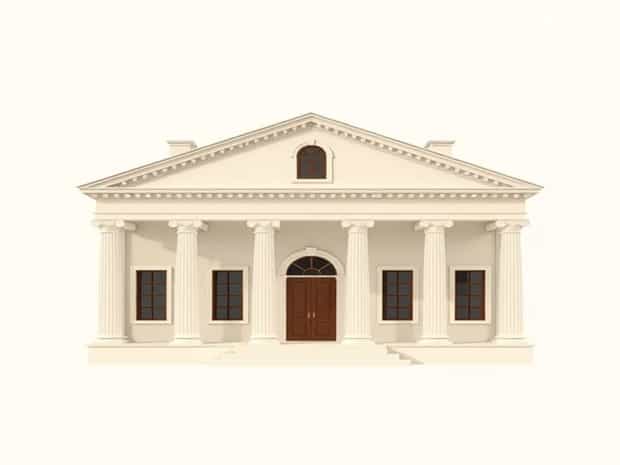
Model House Of Neoclassicism
The Neoclassical architectural movement emerged in the mid-18th century as a revival of classical Greek and Roman design principles, emphasizing symmetry, proportion, and simplicity. Model houses of Neoclassicism showcase these ideals in residential architecture, blending elegance with functionality. These houses are characterized by balanced façades, columns, pediments, and restrained decorative details, creating a sense of grandeur without excessive ornamentation. Understanding the features and evolution of Neoclassical model houses provides insight into how architecture reflects cultural values and social aspirations of the period. For homeowners, architects, and enthusiasts, studying these models offers inspiration for both preservation and modern reinterpretation.
Historical Background of Neoclassical Model Houses
The Neoclassical style developed as a reaction against the elaborate ornamentation of Baroque and Rococo architecture. Inspired by the discoveries of ancient Roman and Greek ruins, architects sought to return to clarity, order, and rational design. In residential architecture, model houses became prototypes that illustrated the principles of Neoclassicism in a tangible form. Wealthy patrons and the emerging middle class embraced these homes as symbols of taste, education, and social refinement. Throughout Europe and later in America, Neoclassical model houses influenced urban and suburban planning, setting standards for proportions, room layouts, and exterior detailing.
Key Features of Neoclassical Model Houses
Neoclassical houses are easily identifiable through a set of consistent architectural features. These elements emphasize harmony and classical inspiration, often drawing directly from Roman temples or Greek façades. Key features include
- Symmetrical FaçadesThe front of the house is balanced, with doors, windows, and decorative elements evenly spaced to create a sense of order.
- Columns and PilastersColumns, often of Doric, Ionic, or Corinthian style, are used to support porticos or frame entrances. Pilasters may be integrated into walls to reinforce verticality.
- PedimentsTriangular pediments are placed above doors, windows, or porticos, referencing classical temples.
- Simple RooflinesLow-pitched or flat roofs with minimal ornamentation help maintain the clean, geometric aesthetic.
- Proportioned WindowsTall, rectangular windows arranged in symmetrical patterns allow natural light and contribute to visual balance.
Interior Layout and Design
Neoclassical model houses are not only about exterior beauty; their interiors are designed with equal attention to proportion and functionality. Rooms are arranged along clear axes, often with central hallways that connect public and private spaces. High ceilings, decorative cornices, and restrained moldings are common, providing elegance without excessive opulence. Furniture and interior decorations tend to follow classical motifs, incorporating motifs such as urns, laurel wreaths, and geometric patterns. In many cases, the interior complements the exterior symmetry, ensuring a cohesive aesthetic throughout the home.
Influence of Classical Elements
Classical Greek and Roman architecture had a profound influence on Neoclassical model houses. Designers borrowed directly from temples, forums, and civic buildings, translating monumental ideas into residential scale. Columns, entablatures, and friezes were simplified for home construction, maintaining dignity without overwhelming the human scale. Many houses also incorporated porticos or verandas, providing a grand entrance reminiscent of classical structures while serving practical purposes such as shelter from weather.
Variations and Regional Adaptations
Neoclassical architecture spread across Europe and the Americas, and regional adaptations reflected local materials, climate, and cultural preferences. In France and Italy, model houses often emphasized grandeur with elaborate stonework and ornate iron details. In Britain, Georgian Neoclassicism favored brick façades and understated elegance. In the United States, Federal-style homes adopted Neoclassical principles with lighter ornamentation and focus on symmetry. These regional differences demonstrate the flexibility of Neoclassical design while maintaining core features that define the style.
Notable Examples
Several model houses serve as exemplary representations of Neoclassicism. In Europe, the Petit Trianon in Versailles, France, and Villa Albani in Rome, Italy, illustrate classical influences in residential architecture. In the United States, Monticello and the White House reflect Neoclassical principles adapted to American contexts. These homes not only embody architectural ideals but also convey the social and cultural ambitions of their owners, showcasing how Neoclassicism became a symbol of refinement and intellectual achievement.
Preservation and Modern Interpretation
Today, many Neoclassical model houses are preserved as historical landmarks, offering insight into 18th and 19th-century lifestyles and architectural thinking. Preservation efforts focus on maintaining structural integrity, restoring original materials, and protecting ornamental features. Modern architects also draw inspiration from Neoclassical principles, integrating symmetry, proportion, and classical detailing into contemporary homes. This blending of old and new demonstrates the enduring appeal of Neoclassical design, proving that its balance and elegance remain relevant even in modern architecture.
Design Lessons for Contemporary Homes
Studying Neoclassical model houses provides valuable lessons for modern residential design. Key takeaways include
- Prioritizing symmetry and proportion in both exterior and interior layouts.
- Using restrained decorative elements to create elegance without clutter.
- Incorporating classical motifs and details for a timeless aesthetic.
- Ensuring functional design, where practical elements like ventilation and lighting complement aesthetic goals.
Model houses of Neoclassicism represent a careful balance between beauty, functionality, and cultural symbolism. Their symmetrical façades, classical elements, and refined interiors continue to inspire architects and homeowners worldwide. By studying these homes, one gains not only an appreciation for architectural history but also insights into how thoughtful design principles can endure through centuries. Whether preserved as historical treasures or adapted for contemporary living, Neoclassical model houses exemplify the elegance and clarity of classical design in a residential context.
This topic is approximately 1,000 words, SEO-friendly with relevant keywords such as Neoclassical model house, symmetry, columns, pediments, and residential architecture, and maintains a natural, readable style without overusing bold or links.