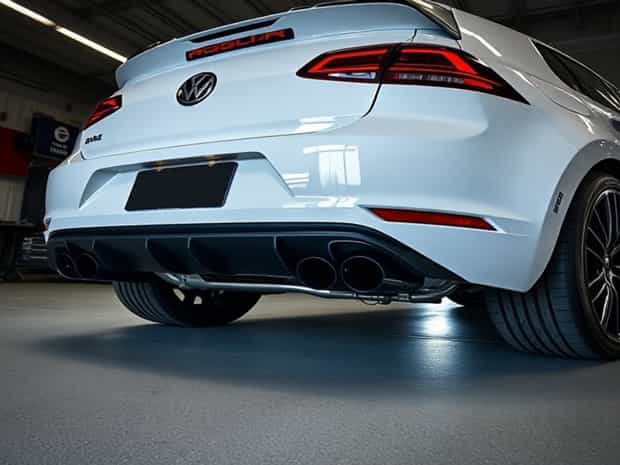
Mk7 Golf R Catted Downpipe
The MK7 Golf R is one of Volkswagen’s most celebrated performance hatchbacks, known for its turbocharged engine, all-wheel-drive system, and exceptional driving dynamics. Enthusiasts often look for ways to enhance its performance, sound, and efficiency, and one popular upgrade is the installation of a catted downpipe. A MK7 Golf R catted downpipe replaces the factory downpipe while retaining a catalytic converter, providing a balance between improved exhaust flow, legal compliance, and reduced emissions. Understanding the benefits, installation process, and considerations of a catted downpipe is crucial for owners aiming to optimize their vehicle’s performance.
What is a Catted Downpipe?
A catted downpipe is an aftermarket exhaust component that connects the turbocharger to the rest of the exhaust system while maintaining a catalytic converter. Unlike catless downpipes, which completely remove the catalytic converter for maximum exhaust flow, catted downpipes preserve emissions compliance, making them more suitable for street use. For the MK7 Golf R, a catted downpipe improves exhaust efficiency, reduces backpressure, and enhances turbo response without sacrificing legality in many regions.
Benefits of Installing a MK7 Golf R Catted Downpipe
Installing a catted downpipe on the MK7 Golf R offers several advantages for performance-oriented drivers
- Increased Horsepower and TorqueBy improving exhaust flow and reducing backpressure, a catted downpipe allows the turbocharger to operate more efficiently, resulting in noticeable gains in horsepower and torque.
- Improved Turbo ResponseLess restriction in the exhaust system leads to quicker spool times and more responsive acceleration.
- Enhanced Exhaust SoundA catted downpipe gives the Golf R a more aggressive and sporty exhaust note, enhancing the driving experience without being excessively loud.
- Emissions ComplianceRetaining a catalytic converter ensures that the vehicle continues to meet emissions standards in many areas, unlike catless alternatives.
- Compatibility with TuningAftermarket ECU tunes can take advantage of the improved airflow, unlocking further performance potential.
Materials and Construction
Catted downpipes are typically constructed from high-quality stainless steel to resist corrosion and withstand high temperatures generated by the turbocharger. Many aftermarket options feature mandrel-bent tubing to maintain smooth airflow and minimize turbulence. The catalytic converter within the downpipe is designed to provide high flow while still effectively reducing harmful emissions, striking a balance between performance and environmental responsibility.
Common Configurations
MK7 Golf R catted downpipes come in various configurations, including
- Single Catted DownpipeIncludes a single high-flow catalytic converter and is generally easier to install with moderate gains in performance.
- Dual Catted DownpipeFeatures two high-flow catalytic converters for improved exhaust flow and slightly higher performance gains.
- Turbo-Back SystemsSome setups integrate the catted downpipe with a complete turbo-back exhaust for maximum power and sound enhancement.
Installation Process
Installing a MK7 Golf R catted downpipe requires mechanical expertise, proper tools, and careful handling due to the high-temperature components. A typical installation process involves
- Lifting the vehicle and removing the underbody panels to access the factory downpipe.
- Disconnecting the stock downpipe from the turbocharger outlet and the rest of the exhaust system.
- Carefully removing oxygen sensors and heat shields, keeping track of all hardware.
- Installing the new catted downpipe, ensuring a proper fit and alignment with the turbo outlet and exhaust system.
- Reinstalling oxygen sensors, heat shields, and underbody panels.
- Conducting a thorough inspection and test drive to confirm proper operation, no leaks, and improved performance.
Considerations Before Purchase
While a catted downpipe offers performance and sound improvements, there are important considerations to keep in mind
- WarrantyInstalling an aftermarket downpipe may void portions of the vehicle’s warranty, particularly related to the turbo or exhaust components.
- Emissions ComplianceVerify local laws regarding aftermarket catalytic converters and emissions testing to ensure legal compliance.
- Tuning RequirementsTo fully benefit from the downpipe, an ECU tune may be necessary to optimize fueling and boost levels.
- CostQuality catted downpipes can be expensive, so budget accordingly, including potential installation and tuning costs.
- Installation ExpertiseProfessional installation is recommended to avoid leaks, improper fitment, or damage to sensitive components like oxygen sensors and the turbo.
Maintenance and Longevity
Proper maintenance of a catted downpipe is essential to ensure long-term performance and reliability. Key tips include
- Regularly inspect the downpipe for leaks, cracks, or rust, especially in regions with road salt or high humidity.
- Check the catalytic converter for clogging or damage if unusual exhaust behavior or check engine lights appear.
- Ensure oxygen sensors are functioning correctly, as faulty sensors can affect performance and emissions.
- Maintain proper engine tuning and follow recommended service intervals to reduce stress on the exhaust system.
The MK7 Golf R catted downpipe is a popular and effective upgrade for enthusiasts seeking enhanced performance, improved turbo response, and a more aggressive exhaust note while retaining emissions compliance. Constructed from high-quality materials and designed for optimal airflow, these downpipes offer a balance of power, legality, and durability. Understanding the installation process, tuning requirements, and maintenance considerations is crucial for maximizing benefits and ensuring a safe, enjoyable driving experience. For MK7 Golf R owners, a catted downpipe represents a meaningful performance upgrade that elevates the vehicle’s capabilities without compromising everyday usability.