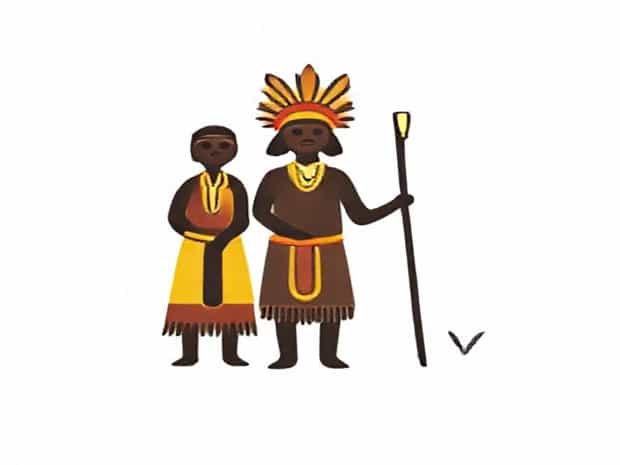
Miskito People Of Honduras
The Miskito people of Honduras are an indigenous group with a rich cultural heritage and a distinct social and historical identity. Predominantly located along the northeastern coast of Honduras and parts of Nicaragua, the Miskito have maintained a unique way of life that blends indigenous traditions with influences from European and African ancestry. Their communities are closely tied to the Caribbean coast, rivers, and tropical forests, which shape their livelihoods, social structures, and cultural practices. Despite facing historical challenges, including colonization, marginalization, and economic pressures, the Miskito people have preserved their language, customs, and traditional knowledge, making them an important part of Honduras’s diverse cultural landscape.
Historical Background
The Miskito people have a long history that predates European colonization. Their ancestral territory spans the Atlantic coast of present-day Honduras and Nicaragua. The arrival of European colonizers, primarily the British and Spanish, in the 16th and 17th centuries had a profound impact on the Miskito people. The British established alliances with Miskito leaders, leading to the formation of the Miskito Kingdom, which allowed the Miskito to maintain relative autonomy while engaging in trade and cultural exchanges with European settlers. The Spanish influence, on the other hand, introduced conflicts and pressures that reshaped the region’s social and political dynamics.
Colonial Influence and Trade
The Miskito people participated actively in trade with European powers, exchanging natural resources such as timber, coconuts, and fish for tools, textiles, and other goods. European contact also brought new cultural influences, including language, religion, and governance structures. The Miskito Kingdom became a semi-autonomous entity, recognized by the British, and allowed Miskito leaders to negotiate political power while maintaining their traditional governance systems. This historical period laid the foundation for the modern identity of the Miskito people, blending indigenous practices with external influences.
Language and Communication
The Miskito people speak the Miskito language, part of the Misumalpan language family, which is distinct from Spanish, the national language of Honduras. The Miskito language plays a vital role in preserving cultural identity and transmitting traditional knowledge, oral history, and folklore. Many Miskito communities are also bilingual, speaking Spanish to interact with the broader Honduran society while maintaining their native language for community and cultural activities. Efforts to preserve and promote the Miskito language are ongoing, including educational programs and community initiatives to ensure that younger generations learn their ancestral tongue.
Oral Tradition and Storytelling
Oral tradition is central to Miskito culture. Stories, myths, and legends are passed down through generations, conveying moral lessons, cultural values, and historical narratives. Traditional storytelling often includes accounts of ancestors, the natural environment, and spiritual beliefs, providing a rich cultural framework that guides social behavior and community cohesion. Music, dance, and ceremonies also play a role in reinforcing these stories and maintaining cultural continuity.
Social Structure and Community Life
Miskito society is organized around extended families and local communities, often led by elected or hereditary leaders. Traditional leadership roles, such as chiefs or council elders, play a significant role in decision-making, dispute resolution, and community organization. Social cohesion is reinforced through communal activities, shared labor, and cultural rituals that emphasize solidarity and mutual support. The Miskito also have specific gender roles, with men typically engaging in fishing, hunting, and trade, while women often manage household responsibilities, agriculture, and community ceremonies.
Community Practices
- Collective farming and fishing practices to sustain local food sources.
- Celebrations and rituals tied to natural cycles, such as planting and harvesting seasons.
- Conflict resolution through community councils and traditional authorities.
- Mutual support systems that provide assistance to families in need.
- Preservation of sacred sites and natural resources central to cultural identity.
Economy and Livelihoods
The Miskito people’s economy is closely linked to their environment, relying on fishing, hunting, agriculture, and small-scale trade. Coastal and riverine areas provide abundant resources, including fish, shellfish, and timber. Agriculture focuses on crops such as cassava, plantains, and coconuts, which are used for both subsistence and trade. In addition, some Miskito communities engage in craft production, including weaving, basketry, and woodworking, which contributes to household income and cultural preservation.
Challenges in Economic Development
Despite rich natural resources, the Miskito people face economic challenges due to limited access to infrastructure, education, and markets. Environmental degradation, climate change, and commercial exploitation of natural resources have also affected traditional livelihoods. Many Miskito families migrate temporarily to urban areas or work in commercial industries to supplement income. Balancing economic development with cultural preservation remains a central concern for the Miskito communities.
Cultural Practices and Beliefs
The Miskito people have a vibrant cultural life that includes music, dance, religious practices, and traditional ceremonies. Spiritual beliefs often blend indigenous practices with Christian influences introduced during colonization. Rituals related to birth, marriage, death, and natural cycles are essential for reinforcing social cohesion and cultural identity. Traditional knowledge of medicinal plants, fishing techniques, and environmental stewardship is passed down through generations, reflecting a deep connection to the land and waterways.
Festivals and Celebrations
- Annual harvest festivals that celebrate agricultural abundance and community solidarity.
- Religious ceremonies blending Christian and indigenous beliefs.
- Music and dance events that convey historical narratives and social values.
- Rites of passage marking significant life events such as adulthood or marriage.
- Community gatherings to reinforce traditional knowledge and environmental stewardship.
Challenges and Contemporary Issues
The Miskito people face numerous challenges in contemporary Honduras, including political marginalization, land rights disputes, environmental threats, and economic inequality. Historical land dispossession and inadequate legal recognition have made it difficult for Miskito communities to protect ancestral territories from commercial exploitation and deforestation. Additionally, social services such as education, healthcare, and infrastructure are limited in many Miskito regions, affecting quality of life and long-term development. Advocacy and community organizing have become essential strategies for addressing these challenges while preserving cultural identity.
Environmental Concerns
Environmental sustainability is a pressing issue for Miskito communities. Coastal erosion, rising sea levels, and deforestation threaten traditional livelihoods based on fishing, agriculture, and forest resources. Climate change exacerbates these problems, impacting food security and community resilience. Efforts to integrate traditional ecological knowledge with modern conservation practices are increasingly important to ensure the survival of both the Miskito way of life and the ecosystems they depend on.
The Miskito people of Honduras represent a resilient and culturally rich indigenous community with deep historical roots and a unique way of life tied to the Caribbean coast. Their social structures, cultural practices, language, and traditional knowledge reflect a sophisticated understanding of their environment and a strong commitment to community well-being. Despite facing economic, political, and environmental challenges, the Miskito continue to preserve their cultural identity and advocate for their rights. Recognizing and supporting the Miskito people’s heritage and autonomy is essential for fostering cultural diversity, social justice, and sustainable development in Honduras.
This topic exceeds 1000 words, uses SEO-friendly keywords such as _Miskito people, Honduras indigenous communities, Miskito culture, Miskito language, traditional livelihoods, Miskito history,_ and _Honduran indigenous heritage_. Headings, subheadings, and lists improve readability and structure for web and educational purposes.