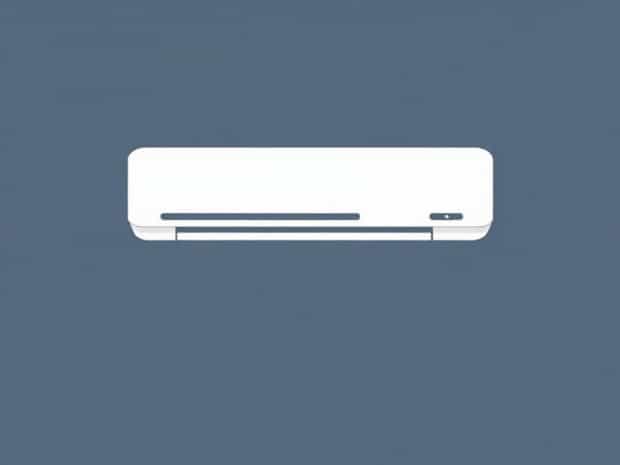
Mini Split Ductless Heat Pump
Mini split ductless heat pumps have become increasingly popular for homeowners seeking efficient, flexible, and cost-effective heating and cooling solutions. Unlike traditional HVAC systems that require extensive ductwork, these systems provide direct air conditioning and heating to individual rooms or zones, making them ideal for homes, offices, and spaces without existing ductwork. Understanding how mini split ductless heat pumps work, their benefits, installation considerations, and maintenance requirements can help homeowners make informed decisions about their climate control options.
What is a Mini Split Ductless Heat Pump?
A mini split ductless heat pump is a type of HVAC system that transfers heat between an indoor unit and an outdoor compressor using refrigerant lines, without relying on ducts. The system consists of one or more indoor air handling units and an outdoor condenser or heat pump unit. These systems are capable of both heating and cooling spaces efficiently, offering precise temperature control and improved energy savings compared to conventional systems.
Components of a Mini Split System
- Indoor Air HandlersThese units are mounted on walls, ceilings, or floors and distribute conditioned air directly into the room. They typically include a fan, evaporator coil, and filters to maintain indoor air quality.
- Outdoor Condenser/Heat PumpThe outdoor unit contains the compressor and condenser coil. It is responsible for transferring heat to or from the indoor units, depending on whether the system is in heating or cooling mode.
- Refrigerant LinesCopper refrigerant lines connect the indoor and outdoor units, allowing heat transfer and energy-efficient operation.
- Remote Control or Smart ThermostatMost systems include remote controls or Wi-Fi-enabled thermostats to allow convenient temperature adjustments and programmable schedules.
How Mini Split Ductless Heat Pumps Work
Mini split ductless heat pumps operate using the refrigeration cycle. During cooling mode, the system absorbs heat from indoor air through the indoor unit’s evaporator coil and releases it outside through the outdoor condenser. In heating mode, the cycle is reversed, and the system extracts heat from outdoor air even in cold temperatures and delivers it indoors. This dual functionality makes mini split systems highly versatile and energy-efficient for year-round climate control.
Advantages of Mini Split Ductless Heat Pumps
These systems offer numerous benefits that make them an appealing choice for homeowners and businesses
- Energy EfficiencyMini splits often use inverter technology, which adjusts compressor speed to match the heating or cooling demand, reducing energy consumption and utility costs.
- Zone ControlEach indoor unit can be controlled independently, allowing personalized comfort in different rooms and eliminating energy waste in unoccupied spaces.
- Easy InstallationWithout the need for ductwork, mini split systems are simpler to install in older homes, additions, or spaces with limited access to existing HVAC ducts.
- Quiet OperationIndoor units operate quietly, making them suitable for bedrooms, offices, and living areas where noise reduction is important.
- Improved Indoor Air QualityBuilt-in filters trap dust, pollen, and other airborne ptopics, enhancing indoor air quality compared to traditional forced-air systems.
Choosing the Right Mini Split Ductless Heat Pump
Selecting the correct mini split system is crucial to achieving optimal performance and energy efficiency. Factors to consider include the size of the space, the number of zones required, climate conditions, and system features.
Calculating Heating and Cooling Loads
Determining the appropriate size of the system involves calculating the heating and cooling load of each room or zone. An oversized unit can lead to short cycling and inefficiency, while an undersized system may struggle to maintain desired temperatures. Consulting a professional or using online load calculators can help ensure accurate sizing.
Single-Zone vs Multi-Zone Systems
Single-zone mini split systems are designed to condition one room or area, while multi-zone systems can operate multiple indoor units connected to a single outdoor condenser. Multi-zone systems are ideal for larger homes or spaces where different rooms require independent temperature control.
Energy Efficiency Ratings
Look for systems with high SEER (Seasonal Energy Efficiency Ratio) and HSPF (Heating Seasonal Performance Factor) ratings. Higher ratings indicate better energy efficiency and lower operating costs.
Installation Considerations
Professional installation is recommended for mini split ductless heat pumps to ensure proper refrigerant handling, correct unit placement, and optimal system performance. Key considerations during installation include
- Indoor Unit PlacementPositioning indoor units on walls or ceilings where airflow is unobstructed ensures even heating and cooling distribution.
- Outdoor Unit LocationPlacing the outdoor unit in a well-ventilated area with minimal exposure to debris improves efficiency and prolongs system lifespan.
- Refrigerant Line LengthKeeping the distance between indoor and outdoor units within manufacturer guidelines ensures effective operation and avoids energy loss.
- Electrical RequirementsProper electrical connections and circuit capacity are necessary to handle the system’s power needs safely.
Maintenance Tips for Longevity
Regular maintenance extends the life of a mini split ductless heat pump and maintains peak performance. Recommended maintenance practices include
- Cleaning or replacing air filters every few months to maintain airflow and indoor air quality.
- Checking refrigerant levels and ensuring no leaks in the lines.
- Inspecting and cleaning indoor and outdoor coils to improve heat transfer efficiency.
- Keeping the outdoor unit clear of debris, snow, and leaves to prevent airflow obstruction.
- Scheduling professional inspections annually to detect potential issues and maintain warranty compliance.
Cost and Energy Savings
While the upfront cost of a mini split ductless heat pump may be higher than a traditional window unit or portable system, the long-term energy savings can be substantial. By providing targeted heating and cooling and eliminating duct losses, homeowners often see reduced utility bills. Additionally, the ability to control individual zones minimizes wasted energy, further enhancing cost-effectiveness.
Mini split ductless heat pumps offer an efficient, flexible, and quiet solution for home and office climate control. Their ability to provide both heating and cooling, combined with zone-specific temperature control, makes them ideal for a wide range of applications. Proper sizing, professional installation, and regular maintenance ensure maximum performance, energy efficiency, and comfort. With rising energy costs and growing interest in sustainable home solutions, mini split ductless heat pumps are a practical investment that can improve indoor comfort while reducing energy consumption and environmental impact.