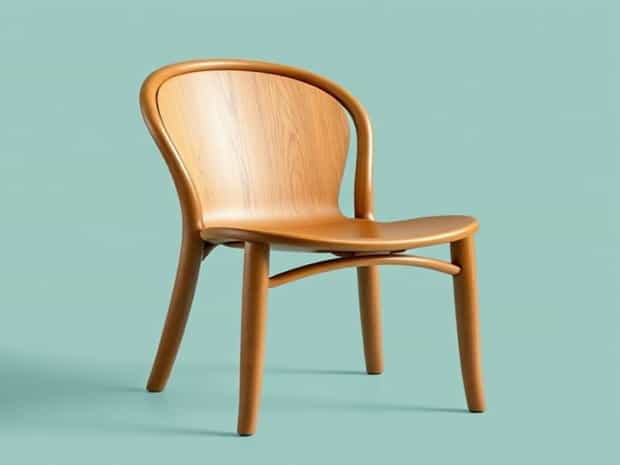
Michael Thonet Bentwood Chair
Furniture has always been more than just functional objects; it tells stories of innovation, craftsmanship, and cultural influence. Among the many iconic pieces that have shaped the history of design, the Michael Thonet bentwood chair stands out as a timeless classic. With its graceful curves and lightweight structure, it represents a breakthrough in both technology and style. Today, the bentwood chair is not only admired for its beauty but also valued for its practicality and durability, making it a piece that bridges the past and the present in interior design.
The Origins of the Bentwood Chair
The story of the bentwood chair begins with Michael Thonet, a German-Austrian cabinetmaker born in 1796. Thonet developed a revolutionary method of bending solid wood into elegant shapes using steam. This process, known as bentwood, allowed wood to be molded into curves without breaking, opening new possibilities for furniture design. His experimentation led to the creation of lightweight, durable chairs that could be mass-produced without losing quality or charm.
Industrial Innovation
Thonet’s technique marked a significant step forward during the 19th century industrial era. While traditional furniture required skilled carving and heavy materials, bentwood furniture offered a faster, more efficient process. The chairs could be assembled from just a few parts and easily shipped around the world, making them one of the first truly global pieces of furniture.
The Famous No. 14 Chair
One of the most recognized creations by Michael Thonet is the No. 14 chair, often referred to simply as the bentwood chair. Introduced in 1859, it quickly became a symbol of elegance and simplicity. Its design featured a curved backrest, rounded seat, and slender legs, all created using the bentwood method. This chair became popular in cafes and restaurants across Europe, earning the nickname the coffee house chair.
-
Elegant CurvesThe flowing lines of the chair gave it a graceful look that stood out from heavy, traditional furniture.
-
LightweightUnlike bulky wooden chairs, the bentwood chair could be moved easily, making it ideal for busy spaces.
-
DurableDespite its light structure, the bentwood chair was remarkably strong and long-lasting.
-
AffordableThe efficient production process made it accessible to a wider range of people.
Design Characteristics
The Michael Thonet bentwood chair has certain distinctive features that define its timeless appeal. While variations exist, most share common design elements that highlight the brilliance of the bentwood technique.
Curved Backrest
The bentwood process allowed for smooth, rounded backrests that provided comfort while maintaining a minimalist look. This feature remains a hallmark of Thonet chairs.
Simple Construction
Unlike ornate traditional furniture, Thonet’s bentwood chair relied on just a few components, often no more than six pieces, held together with screws and glue.
Functional Beauty
Every curve and line of the chair served both aesthetic and practical purposes, demonstrating a design philosophy that valued functionality as much as form.
The Impact on Furniture Design
The introduction of the bentwood chair transformed furniture-making. It challenged the idea that beauty required heavy ornamentation, showing that simplicity and elegance could coexist. This influence spread beyond Europe, inspiring modern design movements that favored clean lines and practicality.
Influence on Modernism
Movements such as Bauhaus and mid-century modernism drew inspiration from Thonet’s approach. The focus on functionality, mass production, and affordability became guiding principles for later designers.
Global Popularity
By the early 20th century, millions of Thonet bentwood chairs had been sold worldwide. From European cafes to American households, the chair became a recognizable symbol of good design that crossed cultural boundaries.
Why the Michael Thonet Bentwood Chair Remains Relevant
Even after more than 160 years, the bentwood chair continues to be produced and admired. Its enduring relevance lies in its versatility and adaptability.
-
Versatile DesignFits seamlessly into traditional, modern, or eclectic interiors.
-
Eco-Friendly ProductionThe bentwood process uses fewer resources compared to carving or molding larger blocks of wood.
-
Timeless AestheticThe simple, elegant shape never goes out of style.
-
Practical UseLightweight and durable, it is suitable for both commercial and residential spaces.
Decorating with Bentwood Chairs
In modern homes, the Michael Thonet bentwood chair is often used as a dining chair, accent chair, or café-style seating. Its neutral and graceful appearance makes it easy to pair with various tables and room styles.
Dining Rooms
A set of bentwood chairs around a wooden or metal table creates a warm yet sophisticated atmosphere. Their lightweight structure also makes them convenient for rearranging when hosting guests.
Kitchens and Cafes
The bentwood chair remains a favorite in kitchens and cafés because of its association with comfort and social gatherings. Its airy design allows small spaces to feel more open.
Living Areas
As an accent piece, the chair can stand alone in a reading nook or living room corner, paired with a small side table for added functionality.
Caring for a Bentwood Chair
Maintaining a Michael Thonet bentwood chair ensures that it lasts for many years. Simple care tips include
-
Dusting regularly with a soft cloth to keep the surface clean.
-
Avoiding excessive moisture, which can damage the wood over time.
-
Tightening screws occasionally to maintain stability.
-
Using cushions for added comfort while preserving the chair’s structure.
Collectibility and Value
Original Thonet chairs are highly collectible today. Antique versions, especially early No. 14 chairs, are valued for their historical importance and craftsmanship. Even modern reproductions are appreciated for their enduring beauty and utility. This makes the bentwood chair not only a functional item but also a piece of design history worth owning.
The Michael Thonet bentwood chair is a true masterpiece of furniture design. Its combination of elegance, durability, and practicality has allowed it to remain relevant for more than a century and a half. From bustling 19th-century coffee houses to contemporary homes, it has earned its place as one of the most beloved chairs in the world. By blending innovative techniques with timeless style, Michael Thonet created a piece that continues to inspire designers and homeowners alike, proving that great design truly stands the test of time.