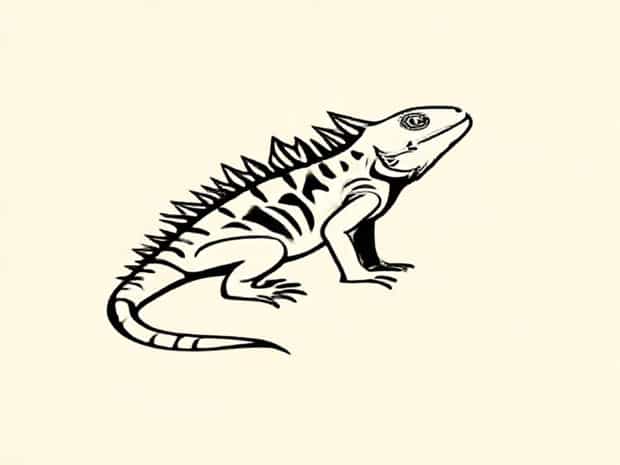
Mexican Spiny Tailed Iguana
The Mexican spiny-tailed iguana is a fascinating reptile known for its striking appearance, robust body, and unique adaptations that allow it to thrive in arid and semi-arid regions. Native to Mexico and parts of Central America, this iguana has captured the interest of herpetologists, wildlife enthusiasts, and even local communities due to its distinctive physical features and ecological importance. Observing a Mexican spiny-tailed iguana in its natural habitat reveals a creature well-adapted to its environment, exhibiting behaviors that range from thermoregulation to social interaction within rocky landscapes. Its spiny tail, armored scales, and strong limbs are not just aesthetic traits but functional adaptations that help it navigate rough terrain, defend against predators, and regulate body temperature efficiently. The species’ ability to survive in harsh conditions and its role in the ecosystem make it an essential subject of study for understanding desert and semi-desert biodiversity.
Physical Characteristics of the Mexican Spiny-Tailed Iguana
The Mexican spiny-tailed iguana, also known scientifically as Ctenosaura pectinata, is notable for its robust body and distinctive tail covered with spiny scales. Adult males can grow significantly larger than females, often reaching lengths of over three feet including the tail, while females tend to be smaller but equally well-adapted for survival. The coloration varies from grayish-brown to olive-green, with darker bands across the body and tail that provide excellent camouflage among rocks and vegetation. One of the most striking features is the tail, which is not only spiny but also muscular, enabling the iguana to use it as a whip-like defense mechanism against predators.
Distinctive Features
- Spiny, muscular tail used for defense and balance.
- Armored scales along the back and sides providing protection.
- Strong limbs with sharp claws for climbing and digging.
- Color variations that aid in camouflage within rocky and arid habitats.
Habitat and Distribution
Mexican spiny-tailed iguanas are primarily found in Mexico, extending into parts of Central America. They inhabit dry forests, scrublands, and rocky areas where crevices and caves provide shelter. These iguanas are highly adaptable to varying levels of aridity, often thriving in areas with limited water availability. The ability to climb trees and rocky outcrops allows them to escape predators and access food sources, including leaves, flowers, fruits, and occasionally small insects or eggs. Their presence is often indicative of a healthy ecosystem, as they play a role in seed dispersal and maintaining plant diversity.
Preferred Environments
- Arid and semi-arid forests with abundant rocks and crevices.
- Scrublands and thorny vegetation areas providing cover and food.
- Rocky outcrops and cliffs for thermoregulation and predator avoidance.
- Areas near human settlements where they may scavenge food but face increased risk from human activity.
Behavior and Social Interaction
The Mexican spiny-tailed iguana exhibits a range of behaviors that reflect its adaptation to harsh environments. These iguanas are primarily diurnal, basking in the sun to regulate their body temperature while retreating into shaded crevices or burrows during peak heat. Territorial behaviors are common, particularly among males who may display head-bobbing, tail-whipping, and push-up movements to assert dominance and attract mates. Social hierarchies are often established within local populations, with dominant males controlling prime basking and feeding areas. These behaviors are essential for survival and reproduction, influencing access to resources and mating opportunities.
Key Behaviors
- Basking in the sun for thermoregulation.
- Use of spiny tail for defense and intimidation.
- Territorial displays including push-ups, head-bobbing, and color changes.
- Foraging behavior involving leaves, fruits, flowers, and occasional protein sources.
Diet and Feeding Habits
The Mexican spiny-tailed iguana is primarily herbivorous, consuming a diet rich in leaves, fruits, flowers, and occasionally seeds. Juveniles may supplement their diet with insects or small invertebrates to meet protein requirements for growth. Seasonal changes influence feeding behavior, with iguanas adjusting their diet based on availability of plant material. This species contributes to its ecosystem by dispersing seeds through its feces, promoting plant diversity and regeneration. Their ability to adapt to different food sources is a key factor in their survival in variable habitats.
Dietary Preferences
- Leaves from native shrubs and trees.
- Fruits and flowers providing essential nutrients and hydration.
- Seeds that may aid in plant propagation.
- Occasional insects or eggs, particularly for young iguanas requiring protein.
Reproduction and Lifespan
Reproduction in the Mexican spiny-tailed iguana involves a complex interplay of territoriality and mating rituals. Males attract females through visual displays, including vibrant color changes and physical posturing. Females lay eggs in burrows or protected areas, providing insulation and safety until hatching. Clutch sizes vary depending on the female’s age and size, with incubation periods influenced by environmental conditions such as temperature and humidity. Lifespan in the wild typically ranges from 10 to 20 years, with survival dependent on access to food, shelter, and avoidance of predators.
Reproductive Features
- Mating displays involving color changes and body movements.
- Egg-laying in burrows or secure sites for protection.
- Clutch sizes averaging 10-30 eggs depending on female health and environment.
- Incubation periods influenced by temperature and humidity levels.
Conservation Status and Threats
While the Mexican spiny-tailed iguana is relatively common within its range, it faces several threats that could impact local populations. Habitat destruction due to agriculture, urban development, and deforestation poses significant risks. Additionally, hunting for food or the pet trade has affected some areas, although regulations exist to mitigate overexploitation. Conservation efforts focus on habitat protection, legal regulations on collection, and public education to ensure sustainable coexistence with humans. Protecting this species is vital for maintaining ecosystem balance and preserving biodiversity in the regions it inhabits.
Key Threats
- Habitat loss from agricultural expansion and urbanization.
- Hunting and capture for food or the pet trade.
- Climate change affecting food availability and habitat suitability.
- Predation by invasive species in certain areas.
The Mexican spiny-tailed iguana is a resilient and remarkable reptile, exemplifying adaptation and survival in challenging environments. Its unique physical characteristics, such as the spiny tail and armored scales, serve functional purposes in defense and mobility. Its role in the ecosystem, including seed dispersal and herbivory, underscores its ecological importance. Understanding its habitat preferences, behaviors, diet, and reproductive strategies provides insight into how this species thrives across diverse and sometimes harsh landscapes. Conservation of the Mexican spiny-tailed iguana requires awareness, habitat protection, and sustainable practices to ensure that future generations can continue to witness this extraordinary creature in its natural environment. From its territorial displays to its diet and reproductive habits, the Mexican spiny-tailed iguana remains a captivating subject for study and admiration, reflecting the richness of biodiversity in Mexico and Central America.