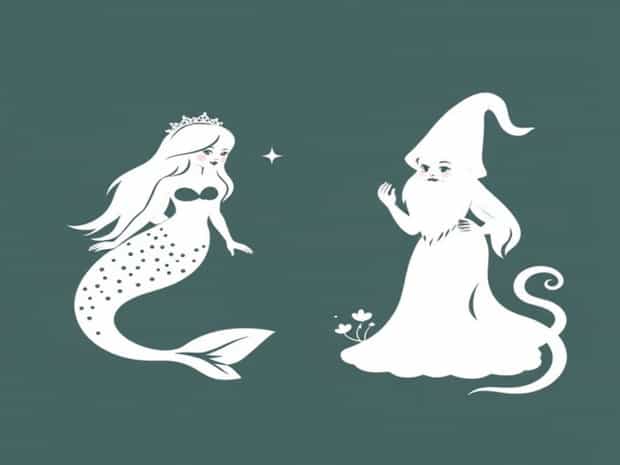
Mermaids Sylphs Gnomes And Salamanders
Throughout history, humans have been fascinated by mystical creatures that inhabit the natural elements, inspiring myths, legends, and folklore across cultures. Among these magical beings, mermaids, sylphs, gnomes, and salamanders occupy a special place. Each represents a unique element water, air, earth, and fire and symbolizes different aspects of nature, spirituality, and human imagination. Stories about these creatures have been passed down for centuries, shaping cultural beliefs and artistic expression while teaching lessons about the balance and harmony of the natural world. Exploring these beings offers insight into ancient mythologies, elemental symbolism, and the ways humans interpret the unseen forces around them.
Mermaids Mysteries of the Water
Mermaids are legendary aquatic creatures with the upper body of a human and the tail of a fish. They are most often associated with oceans, rivers, and lakes, representing the element of water. Across cultures, mermaids have been depicted in varying ways from benevolent guardians of the sea to dangerous temptresses luring sailors to their doom. In Greek mythology, the sirens are often linked to mermaids, highlighting their enchanting and sometimes perilous nature.
Symbolism and Meaning of Mermaids
Mermaids symbolize intuition, emotional depth, and the unconscious mind. Water, as an element, is closely connected to feelings, dreams, and spiritual insight, making mermaids a representation of emotional intelligence and inner reflection. In literature and folklore, they often embody mystery and beauty, encouraging humans to explore their own emotions and creativity.
Mermaids in Culture
- In European folklore, mermaids were sometimes believed to predict storms or disasters at sea.
- In Asian traditions, water spirits similar to mermaids are seen as protectors of rivers and lakes.
- Modern portrayals, such as in literature and films, often depict mermaids as adventurous and independent beings, emphasizing personal freedom and self-discovery.
Sylphs Spirits of the Air
Sylphs are elemental beings associated with the air. They are often depicted as delicate, ethereal creatures, capable of flight and embodying the qualities of lightness and freedom. The concept of sylphs originated in Renaissance alchemy and European esoteric traditions, where they were classified as one of the four elemental spirits, alongside undines (water), gnomes (earth), and salamanders (fire).
Symbolism and Traits of Sylphs
Sylphs represent intellect, communication, and inspiration. They are linked to mental clarity, creativity, and spiritual growth. Just as the air moves freely and invisibly, sylphs are often considered messengers or guides, helping humans gain insight and elevate their consciousness. Their presence in stories often encourages adaptability and openness to new ideas.
Cultural References of Sylphs
- In Western esotericism, sylphs are believed to influence the mind, intellect, and atmospheric conditions.
- In literature, they are often described as gentle, graceful beings that assist heroes or guide seekers of knowledge.
- Artists frequently use sylph imagery to symbolize freedom, creativity, and the intangible forces of life.
Gnomes Guardians of the Earth
Gnomes are mythical creatures associated with the earth, often depicted as small, humanoid beings that dwell underground. They are believed to be protectors of minerals, treasures, and the natural world. In folklore, gnomes are industrious, wise, and sometimes mischievous, reflecting both the nurturing and secretive aspects of the earth element.
Symbolism and Meaning of Gnomes
Gnomes symbolize stability, practicality, and connection to nature. They represent the grounding force of the earth, emphasizing hard work, patience, and the preservation of resources. In many cultures, gnomes are seen as guardians of home and hearth, embodying both safety and abundance.
Cultural Depictions of Gnomes
- In European folklore, gnomes are protectors of underground treasures and are often portrayed as wise and helpful.
- Garden gnomes, a popular modern adaptation, symbolize good luck, prosperity, and harmony with nature.
- In literature and fantasy, gnomes are often depicted as inventors, craftsmen, or keepers of hidden knowledge.
Salamanders Spirits of Fire
Salamanders are elemental beings associated with fire. Unlike the amphibian of the same name, the mythical salamander is believed to live in flames, impervious to heat, and embodying the energy and transformative power of fire. In alchemical traditions, salamanders are one of the four elemental spirits, representing passion, energy, and the drive to create and transform.
Symbolism and Traits of Salamanders
Salamanders symbolize courage, transformation, and renewal. Fire, as an element, represents both destruction and creation, and salamanders embody this duality. They encourage resilience, motivation, and the pursuit of goals with determination. In mystical traditions, encountering a salamander is often considered a sign of personal empowerment or a call to embrace change.
Cultural References of Salamanders
- In European alchemy, salamanders were believed to purify and transform through fire, symbolizing spiritual growth.
- In mythology, salamanders are often portrayed as protectors of sacred flames or as creatures that bring energy and vitality.
- Modern fantasy literature frequently depicts salamanders as fiery companions, magical beings, or symbols of transformation and courage.
Elemental Harmony and Interconnections
Mermaids, sylphs, gnomes, and salamanders together form a symbolic representation of the four classical elements water, air, earth, and fire. Each element contributes to the balance of nature and human life. In mythology and spiritual traditions, these elemental beings teach lessons about harmony, interconnectedness, and the unique qualities of each aspect of the natural world. Engaging with the stories and symbolism of these creatures can deepen appreciation for nature, encourage personal reflection, and inspire creativity and imagination.
Lessons from Elemental Beings
- Mermaids remind us to explore our emotions and intuition, embracing the flow of life.
- Sylphs encourage intellectual growth, adaptability, and freedom of thought.
- Gnomes emphasize patience, groundedness, and respect for the natural world.
- Salamanders inspire courage, resilience, and the ability to transform challenges into opportunities.
Mermaids, sylphs, gnomes, and salamanders are more than mythical creatures they are symbols of the elemental forces that shape our world. Each embodies the characteristics of their respective element, offering lessons in creativity, balance, and personal growth. Throughout history, these beings have captivated human imagination, appearing in folklore, art, literature, and spiritual teachings. By exploring their symbolism, we can gain insight into the natural world, human psychology, and the values that these stories have carried across generations. They remind us of the beauty, mystery, and power of the elements, encouraging harmony between the seen and unseen forces that influence our lives.
Understanding the myths and lessons of mermaids, sylphs, gnomes, and salamanders enriches our appreciation for folklore, elemental wisdom, and the imagination. These creatures continue to inspire stories, art, and spiritual reflection, serving as a bridge between nature and human creativity. They teach us to honor the elements, embrace change, and find balance within ourselves and the world around us.