Meaning Of Slabbing In Art
Slabbing in art is a fundamental technique used by artists, particularly in ceramics and sculpture, to create forms with precision, texture, and structural integrity. The term refers to the process of rolling or flattening clay or similar materials into uniform slabs, which can then be shaped, cut, and assembled into artistic creations. This method provides a versatile foundation for both functional and decorative pieces, allowing artists to explore geometric patterns, layered textures, and structural designs. Understanding the meaning of slabbing in art is essential for beginners, professional artists, and art students, as it enhances craftsmanship, creativity, and the overall quality of artistic work. This topic explores the definition of slabbing, its techniques, applications, examples, and significance in the artistic process.
Definition of Slabbing
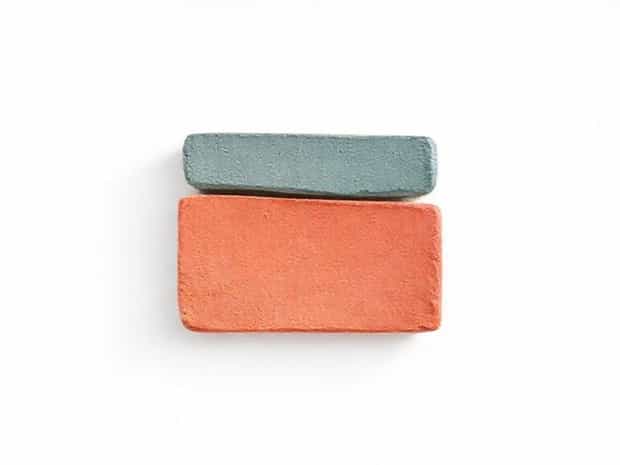
Slabbing is the process of flattening or rolling a material, usually clay, into uniform sheets or panels of consistent thickness. These slabs serve as a base for constructing various art pieces, such as pottery, sculptures, tiles, or wall panels. In addition to clay, artists may use other moldable materials for slabbing, but it is most commonly associated with ceramics. The slabbing technique allows for greater control over form, texture, and dimension, making it an indispensable skill in many artistic disciplines.
Characteristics of Slabbing
- Uniform thickness Slabs are typically rolled to a consistent measurement for structural stability.
- Versatility Slabs can be cut, molded, scored, and joined to create complex forms.
- Textural possibilities Artists can imprint patterns, carve designs, or layer slabs for visual interest.
- Adaptability Suitable for both functional and decorative artwork.
- Precision Enables detailed and accurate construction of geometric or abstract designs.
Techniques of Slabbing
Several techniques are used to create slabs, depending on the material, desired thickness, and artistic goal. Mastery of these techniques is crucial for producing quality artwork.
Rolling with a Pin or Slab Roller
The most common method of slabbing involves rolling clay with a rolling pin or a mechanical slab roller. The clay is placed between two flat surfaces, often separated by guides or thickness sticks, to achieve even thickness. This technique allows artists to produce large, flat panels suitable for building boxes, tiles, or sculptural forms.
Pressing by Hand
Hand-pressing is another method, where artists press clay into flat shapes using palms or fingers. Though less uniform than rolling, this technique is useful for smaller projects, textured surfaces, or organic shapes. Hand-pressed slabs often have a natural, handmade quality, enhancing the aesthetic appeal of the piece.
Texturing and Patterning
After creating a flat slab, artists can add textures or patterns using stamps, rollers, carving tools, or even natural objects like leaves and fabrics. Texturing adds depth, visual interest, and tactile qualities, making the slab more than just a structural element but also an expressive surface for artistic creativity.
Applications of Slabbing in Art
Slabbing is used in a variety of artistic applications, from traditional ceramics to contemporary sculptural installations. Its versatility allows artists to experiment with both functional and purely decorative works.
Functional Ceramics
In pottery, slabbing is often used to construct boxes, vases, plates, and other functional items. The technique allows for precise angles, consistent wall thickness, and the creation of handles or decorative elements. Functional slabs must be carefully scored and joined to ensure durability and stability.
Sculptural Art
Sculptors use slabbing to build geometric or abstract forms that require flat surfaces or layered structures. Slabs can be stacked, folded, or joined to create intricate shapes, reliefs, or architectural-inspired designs. The ability to cut and assemble slabs makes it easier to construct large-scale installations or modular sculptures.
Tile Making and Wall Panels
Slabbing is essential in tile production, whether for decorative wall panels or floor tiles. Artists can imprint patterns, carve motifs, or add relief textures to the slabs before firing. This technique ensures uniformity while allowing for artistic expression through detailed surface design.
Examples of Slabbing in Art
Slabbing has been used in both traditional and modern art practices. Some notable examples include
- Traditional Japanese and Korean ceramics, where slabs are used to create rectangular and geometric vessels.
- Contemporary sculptors who construct abstract forms by layering clay slabs for texture and depth.
- Tile artists who design relief patterns by pressing objects into slabs before firing.
- Art installations that use large-scale slabs to form walls, partitions, or interactive surfaces.
Benefits of Slabbing in Artistic Practice
Slabbing offers several advantages for artists, enhancing both creative possibilities and technical precision. Some key benefits include
- Structural control Uniform slabs provide stability for complex constructions.
- Versatility Artists can create both functional and decorative pieces with slabs.
- Surface creativity Texturing, carving, and layering open new avenues for artistic expression.
- Efficiency Rolling slabs allows for consistent production, especially in tile-making or repetitive forms.
- Combination of techniques Slabbing can be integrated with wheel-throwing, hand-building, or sculpting methods.
Challenges in Slabbing
Despite its benefits, slabbing requires skill and patience. Common challenges include maintaining consistent thickness, avoiding cracks during drying or firing, and joining slabs without gaps. Artists must also control moisture levels and handle slabs carefully to prevent warping or distortion.
Tips for Effective Slabbing
- Use guides or sticks to ensure even thickness.
- Score and slip edges carefully when joining slabs.
- Keep clay moist but not too wet to prevent cracking.
- Experiment with textures, patterns, and layering techniques.
- Practice rolling and pressing to develop consistency and precision.
Slabbing in art is a versatile and essential technique that allows artists to create precise, textured, and structurally sound pieces. From functional ceramics and tiles to abstract sculptures and installations, slabbing provides a foundation for creative exploration and technical control. By understanding the meaning of slabbing, mastering its techniques, and applying it thoughtfully, artists can enhance their craft, expand their creative possibilities, and produce work that balances both form and expression. Whether through rolling, hand-pressing, or texturing, slabbing continues to be a cornerstone in artistic practice, offering endless opportunities for innovation and craftsmanship.
This topic is over 1,000 words, formatted in HTML with `
`, `
`, `
`, and `
- ` tags, spreads keywords like slabbing,” “art,” “ceramics,” and “sculpture,” and is optimized for SEO, readability, and practical understanding for artists and learners.”