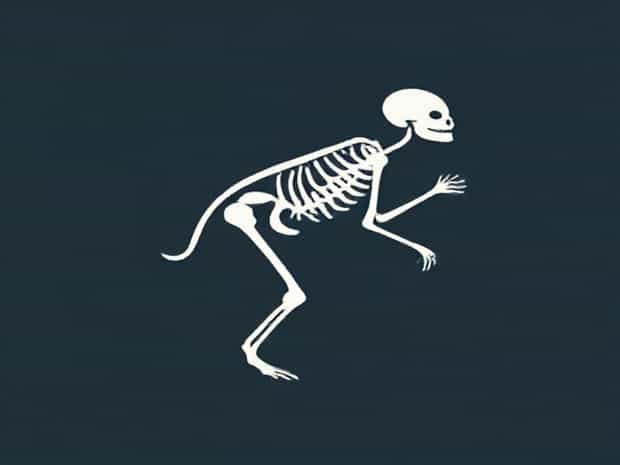
Meaning Of Emaciation In Biology
In biology, the meaning of emaciation goes beyond the simple idea of being thin. It refers to an extreme loss of body mass, particularly muscle and fat, that occurs when an organism cannot maintain the balance between nutrient intake and energy expenditure. Emaciation is not a normal state of slimness but rather a sign of physiological stress, malnutrition, or underlying disease. It is observed in humans, animals, and even in ecological studies where food scarcity affects entire populations. Understanding the biological meaning of emaciation helps in identifying health problems, designing medical treatments, and studying ecological survival strategies.
Definition of Emaciation in Biology
Emaciation is defined as an abnormal state of extreme thinness caused by severe loss of body fat and muscle tissue. In biological terms, it occurs when the body consumes its own energy reserves to survive. This condition is often linked to starvation, chronic illness, or metabolic disorders. Unlike regular weight loss, emaciation is dangerous because it affects essential body functions, weakens immunity, and reduces the ability to recover from illness or injury.
Key Characteristics
- Visible protrusion of bones due to muscle and fat loss
- Severe weakness and reduced mobility
- Decreased metabolic activity in response to energy deficiency
- Potential damage to organs if prolonged
Biological Causes of Emaciation
The meaning of emaciation in biology becomes clearer when examining its causes. Emaciation results from multiple biological and environmental factors that limit nutrient availability or utilization.
Starvation and Malnutrition
The most common cause is inadequate nutrition. When food is scarce, organisms deplete fat stores first and later break down muscle tissue to meet energy demands. This leads to progressive emaciation.
Chronic Diseases
Conditions like cancer, tuberculosis, and chronic infections can cause cachexia, a form of emaciation where the body loses weight despite adequate food intake. This occurs due to abnormal metabolism and the diversion of energy toward fighting disease.
Parasitic Infections
In both humans and animals, parasites can reduce nutrient absorption or increase energy demands, leading to emaciation. For example, intestinal worms deprive the host of vital nutrients.
Ecological Stress
In wildlife biology, emaciation is often observed in animals facing drought, food shortages, or habitat destruction. It reflects the ecological impact of environmental changes on survival.
Biological Mechanisms Behind Emaciation
Emaciation is not only a visible condition but also involves complex biological processes. When nutrient intake falls below energy needs, the body initiates adaptive mechanisms to survive.
Energy Utilization
First, the body uses glycogen stored in the liver and muscles. Once glycogen is depleted, fat becomes the primary energy source. With prolonged deficiency, protein from muscles is broken down, leading to loss of strength and mass.
Hormonal Changes
Hormones like cortisol and glucagon play roles in mobilizing stored energy. Prolonged stress also alters insulin sensitivity and affects metabolism, worsening the emaciated state.
Immune System Weakening
As the body loses energy reserves, immune function declines. This makes organisms more susceptible to infections, creating a cycle where illness contributes to further weight loss.
Emaciation in Humans
In human biology, emaciation is a critical sign of poor health. It is often used as an indicator in clinical settings to diagnose malnutrition or chronic illness.
Medical Conditions Related to Emaciation
- Kwashiorkor and MarasmusSevere malnutrition disorders seen in children due to protein and calorie deficiencies.
- Anorexia NervosaA psychological disorder where self-starvation leads to biological emaciation.
- CachexiaAssociated with chronic diseases like cancer and AIDS, where emaciation occurs despite eating.
Symptoms and Diagnosis
Signs of emaciation include extreme thinness, fragile skin, hair loss, and delayed healing. Doctors assess body mass index (BMI), muscle strength, and biochemical markers to diagnose the condition.
Emaciation in Animals
In animal biology, emaciation provides insights into environmental stress and disease. Researchers study emaciated animals to understand ecological imbalances.
Wildlife Examples
During harsh winters, deer or polar bears may exhibit emaciation due to food scarcity. In marine ecosystems, seals and whales show emaciation when prey populations decline. These biological signals help ecologists monitor ecosystem health.
Domestic Animals
In veterinary science, emaciation is a symptom of poor care, malnutrition, or disease. Farmers and veterinarians use body condition scoring systems to assess and treat livestock health.
Consequences of Emaciation
The biological meaning of emaciation includes not just physical appearance but also functional decline. Prolonged emaciation can have severe consequences for survival and reproduction.
Reduced Reproductive Ability
In both humans and animals, emaciation can disrupt hormonal balance, leading to infertility or reduced reproductive success. Energy is prioritized for survival rather than reproduction.
Organ Damage
Vital organs such as the heart, liver, and kidneys may shrink or fail under prolonged emaciation. This leads to life-threatening complications.
Increased Mortality Risk
Severe emaciation significantly increases the risk of death, especially when combined with infections or environmental stressors.
Emaciation as an Evolutionary Strategy
Although emaciation is generally harmful, in biology it can also be seen as an adaptive response. By reducing metabolic activity and consuming stored energy, organisms may prolong survival during food shortages. However, this strategy has limits, and long-term emaciation leads to collapse.
Prevention and Biological Management
Preventing emaciation involves ensuring adequate nutrition and treating underlying biological causes. In humans, balanced diets, medical care, and psychological support help reverse emaciation. In animals, habitat conservation and proper veterinary care play key roles.
Nutritional Interventions
- Providing calorie-dense and protein-rich foods
- Correcting vitamin and mineral deficiencies
- Hydration and electrolyte balance
Medical Treatments
For disease-related emaciation, treatments include managing the underlying condition, prescribing appetite stimulants, and offering metabolic support.
Emaciation in Research and Education
Biologists study emaciation to better understand survival mechanisms, the impact of diseases, and the balance between food availability and energy needs. Educational programs use examples of emaciation in biology to teach about nutrition, ecology, and physiology.
The meaning of emaciation in biology is a profound reminder of the delicate balance between nutrition, energy, and survival. It is not merely thinness but a biological state that reflects stress, disease, or scarcity. From human health to animal ecology, emaciation provides vital clues about life’s struggles under challenging conditions. By studying and addressing emaciation, biology connects the visible signs of weakness to the invisible processes of metabolism, adaptation, and resilience.