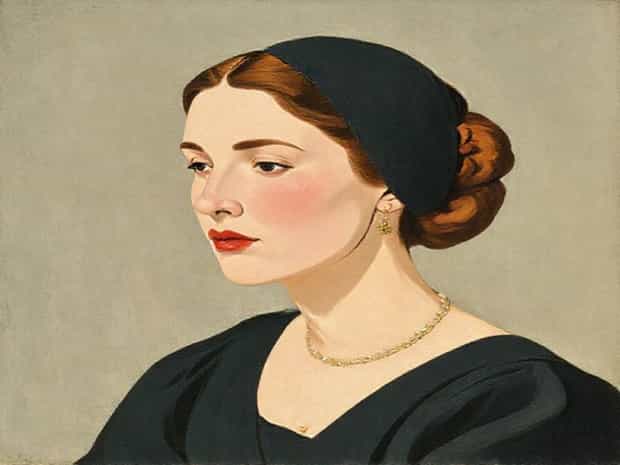
Mary Cassatt Legion Of Honor
Mary Cassatt, the celebrated American painter closely associated with the Impressionist movement, holds a unique place in the history of art. While many remember her for her intimate depictions of mothers and children, another aspect of her life highlights the recognition she received during her career her connection to the French Legion of Honor. This acknowledgment speaks not only to her artistic contributions but also to the broader role she played in shaping cultural ties between America and France. Understanding the significance of the Legion of Honor in relation to Cassatt helps illustrate her lasting influence in both art and society.
Mary Cassatt and Her Impressionist Legacy
Born in Pennsylvania in 1844, Mary Cassatt spent much of her life in France, where she immersed herself in the dynamic art world of Paris. As a contemporary of Edgar Degas, Claude Monet, and Pierre-Auguste Renoir, she became one of the few women to be fully integrated into the Impressionist circle. Her works stood out because they focused on domestic scenes, often depicting women engaged in reading, sewing, or caring for children. These themes, though simple in subject matter, carried profound meaning and offered a perspective often absent in the male-dominated art world of the time.
The French Legion of Honor
The Legion of Honor, or Légion d’honneur, is France’s highest order of merit for military and civil accomplishments. Founded by Napoleon Bonaparte in 1802, it has long been awarded to individuals whose achievements are deemed exceptional in their fields. To be recognized by the Legion of Honor as an artist signified not only mastery of craft but also a contribution to France’s cultural legacy. For an American woman in the 19th and early 20th centuries, such recognition was rare and deeply significant.
Recognition of Cassatt’s Contribution
Mary Cassatt was awarded the French Legion of Honor in 1904. This distinction acknowledged her immense role in the Impressionist movement and her success in bridging American and French cultural spheres. She was not only a painter but also a promoter of French art, encouraging American collectors to purchase works by her peers. Through her influence, Impressionism gained greater visibility and appreciation across the Atlantic.
The Importance of the Award
The Legion of Honor was more than just a medal. For Cassatt, it validated her artistic choices and cemented her place among the greats of French art. At a time when women often faced limited recognition in professional fields, receiving such an award from the French government was groundbreaking. It placed Cassatt in the company of renowned cultural figures whose contributions defined modern artistic thought.
Her Role as a Cultural Bridge
Cassatt’s influence extended beyond her own canvases. She introduced American patrons and collectors to French Impressionism, often advising wealthy families to purchase works by Monet, Degas, and others. As a result, many of these masterpieces eventually entered American museums. Her recognition by the Legion of Honor acknowledged not just her personal talent but also her role in fostering international cultural exchange.
Works That Led to Recognition
Several of Cassatt’s works likely influenced the decision to honor her with the Legion of Honor. These paintings highlighted her unique ability to capture the intimacy of family life while employing the techniques of Impressionism. Some notable examples include
- The Child’s Bath(1893) – A painting that became iconic for its tender portrayal of motherhood and its masterful use of perspective and pattern.
- Young Mother Sewing(1900) – A work showcasing both domestic tranquility and technical brilliance.
- Mother and Childseries – Paintings that reinforced her recurring theme of maternal affection and everyday beauty.
These works demonstrated her ability to merge the personal with the universal, offering viewers a glimpse of the emotional depth within ordinary moments.
Women in the Legion of Honor
During the late 19th and early 20th centuries, few women received the Legion of Honor, especially in the field of art. Mary Cassatt’s award was therefore groundbreaking. It reflected changing attitudes toward women’s contributions to culture, even if progress remained slow. Her recognition set a precedent for future generations of female artists who sought acknowledgment for their creative achievements.
Challenges Leading Up to the Award
Cassatt’s journey toward recognition was not without obstacles. As a woman in a male-dominated artistic environment, she faced barriers to formal training and exhibition opportunities. She persisted nonetheless, finding allies within the Impressionist movement. By the time she received the Legion of Honor in 1904, she had already established herself as an artist of international repute. The award was both a personal victory and a cultural milestone.
Her Later Years
After being awarded the Legion of Honor, Cassatt continued to paint and exhibit her work, though her eyesight gradually deteriorated. Despite health challenges, her reputation remained strong. She was admired not only as an artist but also as a trailblazer who had helped secure greater visibility for women in the arts. Her recognition by the French government reinforced her role as an enduring figure in the history of Impressionism.
Legacy of the Legion of Honor Recognition
Mary Cassatt’s receipt of the Legion of Honor has lasting significance. It highlights how an American artist could gain international acclaim in France, the heart of the Impressionist movement. It also underscores the cultural bridges she built between the Old World and the New. Today, her works hang in prestigious museums around the world, reminding audiences of her talent and of the recognition she achieved during her lifetime.
Impact on American Art
The Legion of Honor was not only a personal triumph for Cassatt but also a point of pride for American art. At a time when the United States was still developing its artistic identity, her success demonstrated that American artists could achieve recognition at the highest levels in Europe. Cassatt’s recognition encouraged future American painters to study abroad and aspire to similar achievements.
Mary Cassatt’s Legion of Honor award in 1904 stands as a testament to her remarkable contributions to art and culture. It symbolized not only her mastery of Impressionist techniques but also her role in expanding the reach of French art to American audiences. While Cassatt is best remembered for her tender portrayals of women and children, the recognition she received from France’s highest order of merit underscores the universal value of her work. Her legacy continues to inspire, proving that art has the power to transcend borders and that recognition, once earned, can echo across generations.