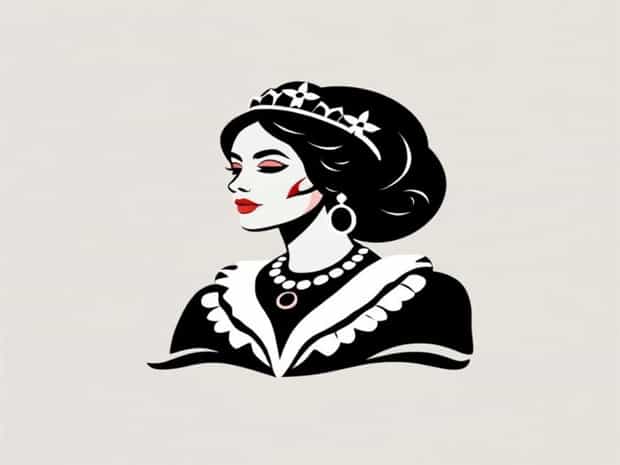
Marie Laveau Marie Laveau
Marie Laveau is a name that resonates deeply within the cultural and spiritual history of New Orleans. Known as the Voodoo Queen, she was a powerful practitioner whose influence extended far beyond the city’s French Quarter during the 19th century. Marie Laveau’s life, her practices, and her legacy have been subjects of fascination, blending elements of mysticism, community leadership, and folklore. Even today, her presence is felt in rituals, popular culture, and the continuing traditions of Louisiana Voodoo, making her an enduring figure of intrigue and reverence.
Early Life and Background
Marie Laveau was born in New Orleans around 1801. Details of her early life are somewhat shrouded in mystery, partly due to the oral traditions surrounding her story and partly because of the limited documentation of free people of color at the time. She was of mixed African, French, and possibly Native American descent, which influenced her understanding of various spiritual and cultural practices. Growing up in a city with a rich blend of African, French, and Creole cultures, Marie Laveau was exposed to a variety of religious and mystical traditions, which would later shape her unique approach to Voodoo.
Introduction to Voodoo
From an early age, Marie Laveau showed an interest in spiritual practices and the healing arts. Voodoo in New Orleans was a complex blend of African spiritual beliefs, Catholicism, and indigenous traditions. Marie quickly gained a reputation for her knowledge of herbs, spiritual remedies, and rituals. By her adulthood, she had established herself as a respected Voodoo practitioner, serving both free and enslaved populations who sought guidance, healing, and protection.
Marie Laveau’s Role in New Orleans Society
Marie Laveau was more than just a spiritual leader; she was also a community figure who played a significant role in the social life of New Orleans. Her influence extended into areas such as social justice, healthcare, and the arts. People from all walks of life rich, poor, black, white, free, and enslaved consulted her for her wisdom and services. Her home and salon became places where individuals could seek advice, perform rituals, or simply gain comfort from her presence. This multifaceted role strengthened her reputation as both a spiritual authority and a community leader.
Voodoo Practices and Rituals
Marie Laveau’s practices incorporated traditional Voodoo elements, Catholic symbolism, and folk magic. She was known for conducting elaborate ceremonies at Congo Square, where dancing, drumming, and spirit invocation were central components. People would often visit her for blessings, protective charms, and solutions to personal problems. Her ritual tools included candles, oils, herbs, and amulets, and she emphasized the importance of intention, prayer, and respect for spiritual entities. Marie’s rituals were not only spiritual acts but also community gatherings that reinforced social cohesion.
Famous Legends and Stories
Marie Laveau’s life is surrounded by numerous legends, some historical and some mythologized over time. Stories claim she could cast powerful spells, cure illnesses, and even predict the future. Her tomb in St. Louis Cemetery No. 1 has become a pilgrimage site for those who continue to honor her spirit. Visitors often leave offerings such as coins, candles, and written prayers, reflecting the enduring belief in her power. Legends about her ability to influence local politics, assist in love matters, or protect people from harm have further cemented her status as an iconic figure in New Orleans folklore.
Marie Laveau in Popular Culture
Over the years, Marie Laveau has become a prominent figure in literature, music, television, and film. Her character has appeared in novels, historical accounts, and fictionalized adaptations, highlighting her mystique and cultural significance. Television shows and movies have often depicted her as a powerful and enigmatic woman, emphasizing her spiritual authority and influence. Her name continues to be associated with New Orleans’ unique cultural heritage, drawing tourists and enthusiasts eager to learn about Voodoo and the city’s mystical history.
Legacy and Influence
Marie Laveau’s legacy endures through the ongoing practice of Voodoo in New Orleans. Modern Voodoo practitioners still honor her teachings, rituals, and philosophy. Her life also serves as a symbol of empowerment, especially for women of color, highlighting leadership, spiritual authority, and community engagement in a historical context where such influence was rare. Additionally, her story has contributed to the preservation and appreciation of African and Creole cultural traditions, ensuring that her impact transcends time.
Visiting Marie Laveau’s Sites
- St. Louis Cemetery No. 1Marie Laveau’s tomb is a significant pilgrimage site where visitors leave offerings to honor her memory.
- French QuarterWalking tours often highlight locations associated with her life and work, providing historical context and storytelling.
- Congo SquareThis historic site where she held ceremonies remains a symbol of African spiritual heritage in New Orleans.
Marie Laveau remains a towering figure in New Orleans history, embodying the intersection of spirituality, culture, and community. Her influence as the Voodoo Queen continues to inspire fascination and reverence, drawing visitors, historians, and spiritual seekers alike. By exploring her life, practices, and legacy, one gains insight not only into the world of Louisiana Voodoo but also into the resilience and creativity of the communities that nurtured her. Marie Laveau’s story is a testament to the enduring power of faith, ritual, and cultural identity, securing her place as one of the most iconic figures in American spiritual history.