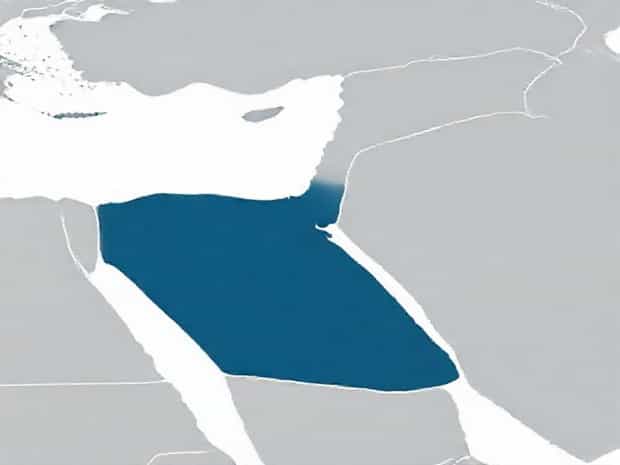
Map Of Suez Canal And Surrounding Countries
The Suez Canal is one of the most important waterways in the world, linking the Mediterranean Sea to the Red Sea and providing a crucial shipping route between Europe and Asia. Understanding the map of the Suez Canal and the surrounding countries offers insights into its strategic significance, economic impact, and geopolitical importance. The canal passes through Egypt, connecting Port Said in the north to Suez in the south, and its location has historically made it a focal point for trade, military strategy, and international diplomacy. Studying the Suez Canal’s geography helps explain its role in global commerce and regional politics.
Geographical Overview of the Suez Canal
The Suez Canal stretches approximately 193 kilometers (120 miles) across Egypt, linking the northern Mediterranean port of Port Said to the southern Red Sea port of Suez. Unlike many other major canals, the Suez is a sea-level waterway, meaning it does not require locks for ships to pass through. Its location on the Isthmus of Suez makes it the shortest maritime route between Europe and the Indian Ocean, drastically reducing the need for vessels to navigate around the African continent via the Cape of Good Hope.
Surrounding Countries
The Suez Canal is entirely within Egypt, but it borders several significant regions and bodies of water that influence international trade and politics. To the north, it opens into the Mediterranean Sea, providing access to southern Europe and North Africa. To the south, it connects to the Red Sea, offering routes to the Middle East, South Asia, and beyond. While the canal itself is in Egypt, nearby countries including Israel, Saudi Arabia, Libya, and Sudan are geographically relevant, as the canal impacts regional trade, security, and transportation.
Key Cities Along the Canal
- Port SaidLocated at the northern entrance of the canal on the Mediterranean coast, Port Said is a major hub for shipping, logistics, and customs operations.
- IsmailiaPositioned roughly midway along the canal, Ismailia serves as an administrative center and hosts operations for the Suez Canal Authority.
- SuezSituated at the southern end of the canal on the Red Sea, the city of Suez is a critical port and industrial center, supporting international shipping and oil transport.
Strategic Importance
The Suez Canal’s location makes it a key chokepoint in global maritime trade. It enables ships to bypass the long voyage around Africa, saving thousands of kilometers and days of travel. Control over the canal has historically been vital for regional and global powers. During conflicts, such as the Suez Crisis of 1956, the canal’s significance was evident as nations sought to secure or disrupt access to this crucial maritime route.
Economic Impact
The canal generates substantial revenue for Egypt through tolls and service fees for ships passing through. Millions of tons of cargo transit the canal each year, including oil, natural gas, manufactured goods, and food supplies. The Suez Canal’s economic role extends beyond Egypt, influencing global trade prices, shipping schedules, and supply chains. The canal also supports local economies by providing jobs in port services, logistics, and maintenance operations.
Navigation and Shipping
The Suez Canal is a vital route for container ships, oil tankers, and bulk carriers. Modernization projects, including widening and deepening sections of the canal, have increased its capacity and allowed for the passage of larger vessels. Navigational aids, pilot services, and strict traffic regulations ensure that ships transit safely, making the canal one of the most efficiently managed waterways in the world.
Historical Context
The concept of a canal linking the Mediterranean and Red Seas dates back to ancient times, but the modern Suez Canal was completed in 1869 under French leadership. The canal immediately became a crucial link in international trade and colonial expansion. Egypt eventually gained full control over the canal in 1956, nationalizing it under President Gamal Abdel Nasser, which triggered the Suez Crisis. This historical context emphasizes the canal’s enduring strategic and political importance.
Geopolitical Considerations
Control over the Suez Canal has been a point of contention between regional and global powers. Its proximity to Israel, Saudi Arabia, and other Middle Eastern countries places it at the heart of geopolitical considerations. Ensuring the canal remains open and secure is vital for global energy supplies and trade flows. International treaties and agreements help regulate its use, reflecting the canal’s significance beyond Egypt’s borders.
Environmental and Regional Features
The canal passes through diverse ecological zones, including desert landscapes, wetlands, and areas with rich biodiversity. Efforts to balance canal operations with environmental protection include monitoring water quality, preserving habitats, and implementing sustainable maintenance practices. Additionally, the canal facilitates regional development by supporting cities, industries, and agriculture along its route.
Tourism and Cultural Significance
The Suez Canal also attracts tourists interested in its engineering, history, and strategic importance. Cities like Port Said and Ismailia offer museums, monuments, and cultural attractions that highlight the canal’s construction and role in global history. Educational tours and observation points provide insights into the scale and complexity of this engineering marvel.
The Suez Canal is more than just a waterway; it is a vital artery of global trade, a strategic asset, and a symbol of human ingenuity. Mapping the canal and understanding the surrounding countries highlight its role in connecting continents, facilitating commerce, and influencing geopolitics. Its position within Egypt, along with its proximity to key regional players, underscores the canal’s importance to international relations, the economy, and the flow of goods worldwide. Studying the Suez Canal and its surroundings provides a deeper appreciation for its enduring global significance and the intricate connections between geography, politics, and trade.