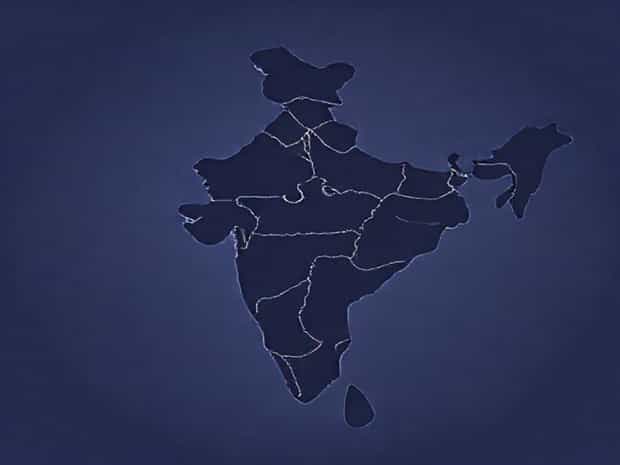
Map Of India With Tropic Of Cancer
India is a vast country with diverse geographical features, ranging from the Himalayan mountains in the north to coastal plains in the south. One of the notable geographical markers in India is the Tropic of Cancer, which passes through the middle of the country. Understanding the map of India with the Tropic of Cancer is important for appreciating its climatic zones, agricultural patterns, and cultural regions. The Tropic of Cancer, situated at approximately 23.5 degrees north latitude, divides India into two nearly equal parts and influences weather patterns, temperature, and seasonal changes throughout the year. Examining this line on the map reveals insights into India’s geography and environmental diversity.
Geographical Significance of the Tropic of Cancer in India
The Tropic of Cancer runs across several Indian states, impacting both climate and agriculture. This imaginary line marks the northernmost point where the sun can appear directly overhead at noon, which occurs during the summer solstice in June. The regions near the Tropic of Cancer experience high temperatures during summer and a distinct pattern of monsoon rains, which are essential for farming and water resources. The map of India with the Tropic of Cancer clearly shows how this line passes through diverse landscapes, including plateaus, deserts, and coastal plains.
States Through Which the Tropic of Cancer Passes
The Tropic of Cancer crosses eight Indian states from west to east. These include
- RajasthanKnown for its arid desert regions and historical forts, the line passes through the southern part of the state.
- GujaratThe line cuts across the middle of Gujarat, influencing both the semi-arid climate and agricultural practices.
- Madhya PradeshCentral India’s plateaus are intersected by the Tropic, affecting local climate and vegetation patterns.
- ChhattisgarhTropical forests and river plains lie near the Tropic of Cancer in this region, supporting diverse flora and fauna.
- JharkhandThe Tropic passes through the mineral-rich and forested regions, contributing to seasonal climate variations.
- West BengalThe eastern part of the country features fertile plains near the line, with rice and jute cultivation.
- TripuraSmall northeastern states like Tripura are influenced by the Tropic of Cancer, affecting rainfall and agriculture.
- MeghalayaThough largely mountainous, southern parts are near the Tropic, experiencing heavy rainfall due to monsoon patterns.
Impact on Climate and Agriculture
The Tropic of Cancer plays a critical role in shaping India’s climate. Areas along the line experience high solar insolation during summer, leading to intense heat. Monsoon winds interact with the land, resulting in seasonal rainfall patterns. Farmers in these regions plan crop cycles around these climatic conditions, growing crops such as wheat, rice, sugarcane, and cotton. Understanding the map of India with the Tropic of Cancer helps agricultural planners and environmental scientists predict weather patterns, manage water resources, and develop sustainable farming practices.
Temperature and Daylight
Regions near the Tropic of Cancer experience longer daylight hours during summer, with direct overhead sunlight contributing to higher temperatures. In Rajasthan and Gujarat, for example, summer temperatures can exceed 40°C. Conversely, areas closer to the Tropic in central and eastern India experience more moderate temperatures but still benefit from direct sunlight. Mapping this line helps in understanding solar energy potential and designing climate-adapted infrastructure.
Monsoon Influence
The Tropic of Cancer affects the timing and intensity of the southwest monsoon. Areas south of the Tropic generally receive more rainfall, while regions to the north may experience drier conditions. Accurate mapping of the Tropic of Cancer is essential for meteorologists and agricultural experts, as it guides predictions of rainfall, crop yields, and water management strategies.
Cultural and Historical Importance
The Tropic of Cancer is not just a geographical line; it also has cultural and historical significance. Several observatories, monuments, and educational institutions have been established near this latitude to study astronomy, geography, and climate. Historically, civilizations in Rajasthan, Gujarat, and central India adapted their lifestyles, architecture, and agriculture according to the climatic conditions shaped by the Tropic. Traditional houses often have features such as thick walls and high ceilings to cope with heat, demonstrating the practical impact of geography on daily life.
Tourism and Educational Value
The Tropic of Cancer has become a point of interest for tourists and students. Many maps and markers along the line in India allow visitors to understand its significance. Educational tours often include visits to observatories, cultural sites, and natural landscapes along the Tropic. By studying the map of India with the Tropic of Cancer, learners gain insight into the relationship between geography, climate, and human adaptation.
Cartographic Representation
Modern maps of India clearly depict the Tropic of Cancer, enabling easy visualization of its path across the country. These maps often include state boundaries, major cities, rivers, and topographical features. By showing the Tropic, maps help in planning travel, scientific research, and environmental management. Geographic Information System (GIS) maps further enhance understanding by allowing users to analyze climate zones, population density, and agricultural suitability relative to the Tropic of Cancer.
Key Features Highlighted on Maps
- Precise latitude marking of 23.5° north
- State boundaries and cities intersected by the Tropic
- Rivers, plateaus, and coastal regions near the line
- Climatic zones such as arid, semi-arid, and tropical regions
- Locations of observatories and landmarks related to the Tropic
The map of India with the Tropic of Cancer provides valuable insight into the country’s geography, climate, and human adaptation. The Tropic traverses eight states, influencing temperature, rainfall, agriculture, and lifestyle. From arid deserts in Rajasthan to fertile plains in West Bengal, the regions along the Tropic exhibit remarkable diversity. Understanding the location and significance of the Tropic of Cancer helps in planning agriculture, managing water resources, predicting climate patterns, and appreciating the cultural and historical heritage of India. Accurate maps highlighting this geographical line are essential tools for students, researchers, travelers, and policymakers, offering a comprehensive view of how the Tropic of Cancer shapes India’s natural and human landscape.