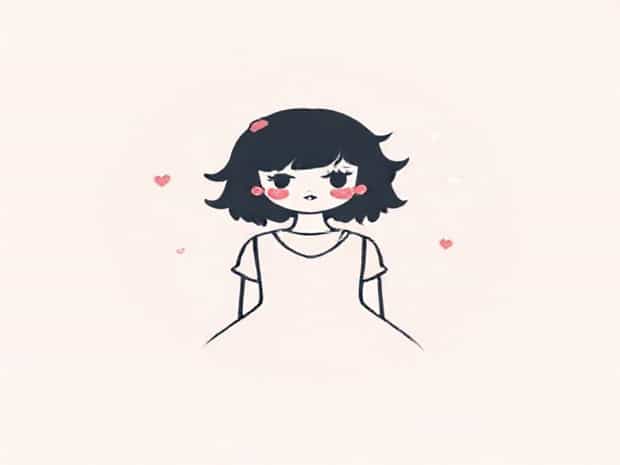
Manic Pixie Girl Dream
The concept of the Manic Pixie Girl Dream” has captured the imagination of audiences in literature, film, and pop culture, representing a particular type of female character who exists to inspire and transform the male protagonist. This archetype is characterized by quirky, whimsical, and eccentric behavior, often bringing joy, spontaneity, and a sense of adventure into the life of a typically brooding or emotionally stagnant male character. Understanding the roots, impact, and criticisms of the Manic Pixie Girl Dream sheds light on both storytelling patterns and societal perceptions of gender roles in media.
Origins of the Manic Pixie Girl Archetype
The term “Manic Pixie Dream Girl” was coined by film critic Nathan Rabin in 2007, after observing a recurring character type in cinema. These characters often exhibit boundless energy, a carefree attitude, and a tendency to break social norms, primarily existing to encourage male protagonists to embrace life more fully. Films such as “Elizabethtown” and “Garden State” helped popularize the term, with female characters portrayed as whimsical muses who exist less as fully realized individuals and more as catalysts for male growth. The archetype highlights a pattern in storytelling where female agency is secondary to male narrative development.
Key Characteristics
- Quirky and eccentric personality traits that stand out in contrast to the male protagonist’s routine or emotional stasis.
- Energetic and spontaneous behavior, often introducing adventure and excitement into the protagonist’s life.
- Emphasis on inspiring emotional growth or self-discovery in male characters rather than pursuing personal goals.
- Visual and stylistic distinctiveness, often through unique fashion choices, whimsical actions, or unconventional hobbies.
- Optimistic and playful demeanor, which can sometimes mask deeper personal complexities.
Psychological and Cultural Appeal
The appeal of the Manic Pixie Girl Dream lies in its promise of escape from the mundane and its embodiment of freedom, creativity, and unrestrained joy. Audiences are drawn to the idea of a character who challenges social norms, encourages emotional openness, and brings unexpected vitality to everyday life. For male protagonists, these characters often symbolize liberation from internal struggles or stagnant routines, allowing narratives to explore personal transformation and emotional growth. Culturally, the archetype reflects fantasies of romance, adventure, and the transformative power of love or connection.
Impact on Storytelling
In literature and film, the Manic Pixie Girl Dream serves as a narrative device to accelerate the emotional and psychological development of male characters. By introducing unpredictability and creativity, these characters disrupt the protagonist’s existing world, prompting introspection, change, and personal growth. While this can make for compelling storytelling, it often comes at the expense of fully developing the female character as a standalone entity. As a result, the archetype has become a topic of both admiration and critique within discussions of media representation.
Criticism and Controversy
Despite its appeal, the Manic Pixie Girl Dream has faced significant criticism for perpetuating gender stereotypes and reducing female characters to narrative tools. Critics argue that this archetype reinforces a limited view of women, portraying them primarily as agents of male transformation rather than as individuals with their own ambitions, challenges, and arcs. By emphasizing whimsy and emotional labor over depth and autonomy, the archetype risks trivializing female experiences and marginalizing authentic character development.
Gender Representation Issues
- The female character’s desires, struggles, and personal growth are often secondary to the male protagonist’s narrative.
- The archetype can reinforce the stereotype that women’s primary role is to nurture, inspire, or rescue men emotionally.
- Repeated use in media may contribute to unrealistic expectations about relationships and gender dynamics in real life.
Evolving Interpretations
Modern storytelling has begun to challenge and subvert the Manic Pixie Girl Dream, creating characters who retain whimsical qualities but also possess depth, autonomy, and personal goals. Contemporary narratives often explore the inner life, challenges, and growth of these characters, ensuring that they exist as fully realized individuals rather than solely as catalysts for male development. By doing so, writers and filmmakers acknowledge the complexity of human experience while retaining the archetype’s appeal for joy, spontaneity, and adventure.
Examples in Contemporary Media
- Literary and cinematic works featuring female characters with quirks and eccentricities who also pursue independent goals and emotional growth.
- Films and novels that explore reciprocal relationships, where both male and female characters influence each other’s development.
- Storytelling that emphasizes the autonomy, agency, and personal narrative of the female character alongside the male protagonist’s journey.
Psychological Insights
The Manic Pixie Girl Dream also offers insight into audience psychology, particularly regarding desires for escapism, inspiration, and idealized relationships. Viewers and readers may project fantasies of adventure, spontaneity, and emotional liberation onto these characters, finding solace in the notion of transformative experiences. However, understanding the limitations of the archetype helps audiences critically engage with media, recognizing when character development is authentic versus when it serves primarily as a plot device.
Connection to Human Desires
Many individuals resonate with the Manic Pixie Girl Dream because it represents freedom from conformity, emotional stagnation, and societal pressures. The archetype embodies curiosity, playfulness, and emotional openness qualities often admired but not always embraced in everyday life. As a narrative tool, it encourages reflection on personal growth, relationships, and the ways individuals inspire or influence one another.
The Manic Pixie Girl Dream remains a compelling and controversial archetype in literature, film, and popular culture. Its charm lies in the combination of whimsy, spontaneity, and transformative influence, capturing audiences’ imagination and reflecting cultural fantasies of joy, liberation, and emotional growth. At the same time, the archetype has been rightly critiqued for limiting female character development and reinforcing gendered expectations. Evolving interpretations in contemporary media are redefining the archetype, offering deeper, more balanced portrayals that celebrate individuality, agency, and mutual growth in relationships. Understanding the Manic Pixie Girl Dream involves appreciating its cultural impact, narrative function, and the ongoing conversation about representation, gender, and storytelling in modern media.