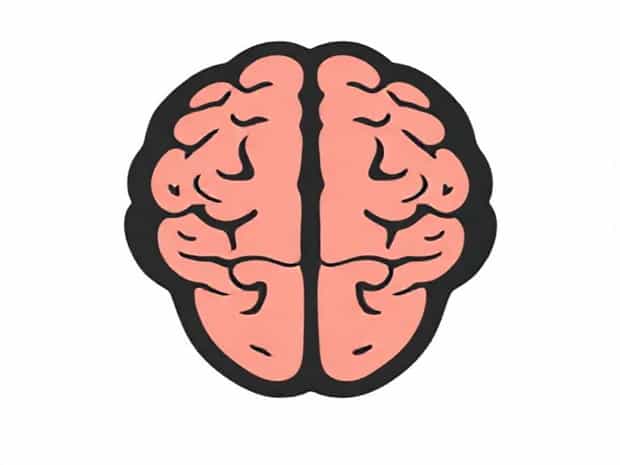
Male Frontal Lobe Development
The human brain is a complex organ that continues to develop well into adulthood, with the frontal lobe playing a particularly critical role in decision-making, planning, impulse control, and social behavior. In males, frontal lobe development is influenced by a combination of genetic, hormonal, and environmental factors, and it follows a distinctive trajectory compared to females. Understanding male frontal lobe development is essential for recognizing the implications for adolescent behavior, emotional regulation, and cognitive performance, as well as for addressing challenges that may arise during the maturation process.
Overview of the Frontal Lobe
The frontal lobe, located at the front of the brain, is responsible for higher-order cognitive functions. It is divided into several regions, each with specialized functions. The prefrontal cortex, in particular, is associated with executive functions such as planning, attention, and regulating emotions. In males, the frontal lobe undergoes significant structural and functional changes during childhood and adolescence, impacting behavior, decision-making, and learning capacity.
Key Functions of the Frontal Lobe
The frontal lobe governs a variety of critical brain activities, including
- Executive FunctionsPlanning, problem-solving, and decision-making abilities rely heavily on the frontal lobe.
- Impulse ControlThis region helps regulate emotions and control inappropriate or risky behavior.
- Social BehaviorUnderstanding social norms, empathy, and cooperation are influenced by frontal lobe activity.
- Motor FunctionThe frontal lobe houses the primary motor cortex, which coordinates voluntary movements.
- Memory and AttentionWorking memory, attention span, and task prioritization are closely linked to frontal lobe development.
Male Brain Development and Hormonal Influences
Male frontal lobe development is heavily influenced by hormonal changes, particularly the surge in testosterone during puberty. Testosterone not only affects physical maturation but also impacts neuronal growth, myelination, and synaptic pruning in the frontal cortex. These changes contribute to improvements in cognitive abilities, risk assessment, and social interactions. However, the timing and rate of frontal lobe maturation can vary among individuals, affecting behavior and emotional regulation during adolescence.
Adolescence and the Prefrontal Cortex
During adolescence, the male prefrontal cortex undergoes substantial remodeling. Synaptic pruning eliminates weaker neural connections, while myelination increases the speed and efficiency of neural communication. This period is associated with increased independence, exploration, and sometimes risk-taking behavior, as the frontal lobe is still maturing while the limbic system, responsible for emotions and reward processing, develops more rapidly. The imbalance between these brain regions helps explain common adolescent behaviors such as impulsivity and sensation-seeking in males.
Structural Changes in Male Frontal Lobe
Studies using neuroimaging techniques have revealed that the male frontal lobe experiences specific structural changes across development
- Grey Matter VolumeGrey matter in the frontal lobe peaks in early adolescence and gradually decreases due to synaptic pruning, which refines neural circuits.
- White Matter GrowthWhite matter, consisting of myelinated axons, increases steadily during adolescence and into the early twenties, improving connectivity and cognitive efficiency.
- Regional MaturationDifferent areas of the frontal lobe mature at varying rates, with the dorsolateral prefrontal cortex developing later than the orbitofrontal cortex, affecting decision-making and impulse control.
Cognitive Implications of Frontal Lobe Development
The development of the male frontal lobe has significant implications for cognitive and behavioral abilities. As the prefrontal cortex matures, males gain better skills in planning, abstract thinking, and emotional regulation. However, delayed maturation or atypical development can contribute to challenges such as attention deficits, difficulty with impulse control, or heightened risk-taking behaviors. Understanding these patterns is essential for parents, educators, and healthcare professionals to provide appropriate guidance and support during critical developmental periods.
Environmental and Social Influences
While genetics and hormones play major roles, environmental and social factors also shape male frontal lobe development. Nutrition, physical activity, sleep quality, and social interactions significantly influence brain maturation. Experiences such as learning, problem-solving, and exposure to diverse social environments help strengthen neural connections and enhance cognitive flexibility. Conversely, stress, trauma, or substance use can negatively impact frontal lobe development, potentially affecting decision-making and emotional regulation.
Educational and Behavioral Strategies
Supporting male frontal lobe development involves creating environments that encourage cognitive growth and social learning. Effective strategies include
- Promoting structured learning activities that challenge planning and problem-solving skills.
- Encouraging physical activity and adequate sleep to optimize brain function and connectivity.
- Providing opportunities for social interaction and collaborative problem-solving to enhance emotional intelligence.
- Minimizing exposure to chronic stress or harmful substances that may disrupt brain maturation.
- Supporting healthy nutrition, particularly nutrients that aid in myelination and neural development.
Frontal Lobe Development Across the Lifespan
Although adolescence is a critical period for male frontal lobe development, the brain continues to mature into the mid-twenties and even early thirties. Cognitive abilities such as executive function, decision-making, and impulse control continue to refine during this time. Lifelong experiences, education, and social engagement contribute to maintaining frontal lobe health and cognitive flexibility, highlighting the importance of continued mental and physical stimulation beyond adolescence.
Frontal Lobe Development and Mental Health
A properly developed frontal lobe is crucial for emotional regulation and mental health. Impairments or delayed development in this brain region have been linked to conditions such as ADHD, depression, and anxiety, particularly during adolescence. Early recognition of behavioral or cognitive difficulties can facilitate interventions that promote healthy development and prevent long-term challenges.
Male frontal lobe development is a complex process influenced by hormonal, genetic, environmental, and social factors. The prefrontal cortex, responsible for executive functions, continues to mature well into early adulthood, impacting decision-making, impulse control, and social behavior. Understanding the nuances of male frontal lobe development is essential for parents, educators, and healthcare providers to support healthy cognitive and emotional growth. By fostering positive environments, encouraging proper nutrition, sleep, and mental stimulation, the maturation of the male frontal lobe can be optimized, ultimately contributing to better cognitive, emotional, and social outcomes throughout life.