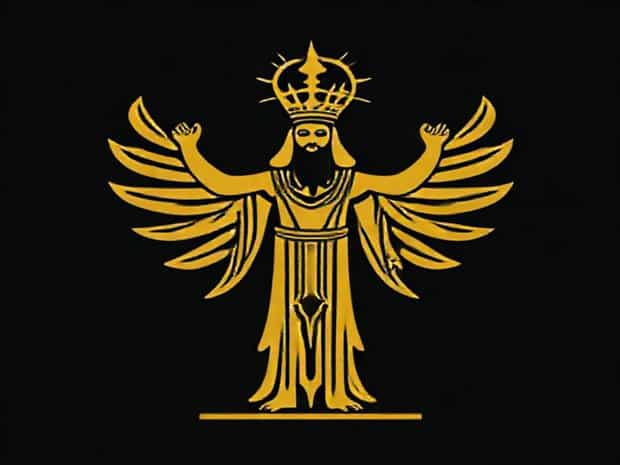
Main God Of Zoroastrianism
Zoroastrianism is one of the world’s oldest monotheistic religions, originating in ancient Persia around the 6th century BCE. Central to Zoroastrian belief is the worship of a supreme deity, Ahura Mazda, who embodies wisdom, truth, and goodness. Ahura Mazda is considered the main god of Zoroastrianism and represents the ultimate source of light and order in the universe. The teachings of the prophet Zoroaster, also known as Zarathustra, emphasize the cosmic struggle between good and evil, with Ahura Mazda guiding humanity toward righteousness. Understanding Ahura Mazda is key to grasping Zoroastrian theology, its ethical framework, and the way it has influenced religious thought throughout history.
The Identity of Ahura Mazda
Ahura Mazda, whose name means Wise Lord,” is regarded as the omniscient and omnipotent creator of the universe. Unlike gods in many polytheistic traditions, Ahura Mazda is singular and transcendent, embodying all that is good. Zoroastrians believe that all aspects of life, from morality to nature, are governed by Ahura Mazda’s wisdom. He is not only the creator but also the sustainer of the universe, ensuring harmony and balance between the forces of light and darkness.
Attributes of Ahura Mazda
- OmniscienceAhura Mazda possesses infinite wisdom and understanding of the universe.
- OmnipotenceHe has ultimate power over creation and is responsible for maintaining cosmic order.
- GoodnessAhura Mazda embodies truth, justice, and moral purity, representing the ultimate standard of virtue.
- Creator of LifeHe is credited with creating all living beings, the earth, and the cosmos.
- GuidanceAhura Mazda provides spiritual and moral guidance to humanity through the teachings of Zoroaster.
Ahura Mazda and the Duality of Good and Evil
A central theme in Zoroastrianism is the cosmic struggle between good, represented by Ahura Mazda, and evil, represented by Angra Mainyu, also known as Ahriman. This dualistic worldview emphasizes human choice and moral responsibility. Zoroastrians are encouraged to live in accordance with the principles of Asha, or truth and righteousness, as established by Ahura Mazda. By doing so, individuals contribute to the triumph of good over evil and the eventual restoration of cosmic order.
Ahura Mazda in Zoroastrian Scriptures
The primary texts of Zoroastrianism, the Avesta, contain numerous references to Ahura Mazda. In these scriptures, he is praised as the source of wisdom and the ultimate judge of human actions. The Gathas, a collection of hymns attributed to Zoroaster himself, emphasize devotion to Ahura Mazda and adherence to ethical conduct. These texts highlight the importance of prayer, ritual, and moral living as expressions of loyalty to the Wise Lord.
The Worship of Ahura Mazda
Zoroastrians honor Ahura Mazda through prayer, rituals, and the maintenance of sacred elements, particularly fire, which symbolizes divine light and purity. Fire temples, known as Atashkadeh, serve as centers of worship where a sacred fire is kept burning continuously. This fire represents Ahura Mazda’s presence and the eternal struggle between light and darkness. Devotees perform rituals to express gratitude, seek guidance, and reinforce their commitment to living in accordance with divine wisdom.
Key Practices in Reverence to Ahura Mazda
- Daily prayers recited in the direction of the rising sun to honor divine light.
- Maintenance of a sacred fire in temples to symbolize purity and divine presence.
- Participation in seasonal festivals, such as Nowruz, which celebrate creation and life under Ahura Mazda’s guidance.
- Ethical living according to Asha, encompassing truth, honesty, and social responsibility.
- Ritual purification practices to maintain spiritual and physical cleanliness.
Ahura Mazda’s Influence on Ethics and Morality
Ahura Mazda’s teachings emphasize the importance of moral choice, personal responsibility, and ethical behavior. Zoroastrianism encourages individuals to practice good thoughts (Humata), good words (Hukhta), and good deeds (Hvarshta), reflecting the principles established by Ahura Mazda. This ethical framework has had a lasting influence on moral philosophy, promoting concepts of justice, human dignity, and social responsibility that extend beyond the Zoroastrian community.
Human Responsibility
According to Zoroastrian belief, humans are co-creators with Ahura Mazda in maintaining order and combating evil. By choosing righteousness and acting in alignment with Asha, believers fulfill their divine purpose. This partnership between the divine and humanity underscores the proactive role individuals play in shaping the moral and spiritual destiny of the world.
Ahura Mazda in Historical Context
Throughout history, Ahura Mazda has been central to Persian culture and governance. Ancient Persian kings, such as Cyrus the Great and Darius I, invoked Ahura Mazda in inscriptions and royal decrees, emphasizing the deity’s role as a guarantor of justice and cosmic order. This historical reverence reinforced the integration of Zoroastrian values into society, law, and political authority, illustrating the practical and spiritual importance of the main god of Zoroastrianism.
Impact on Other Religions
The concept of Ahura Mazda has influenced other religious traditions, particularly in the areas of monotheism and ethical dualism. Elements of Zoroastrian thought, including the cosmic struggle between good and evil and the emphasis on moral responsibility, can be seen in later Abrahamic religions. Scholars often note the parallels in concepts such as angels, judgment, and eschatology, highlighting Ahura Mazda’s enduring legacy in global religious thought.
Ahura Mazda, as the main god of Zoroastrianism, represents the ultimate source of wisdom, goodness, and divine authority. Through the teachings of Zoroaster and the practices of the Zoroastrian community, believers strive to live in alignment with his principles, promoting truth, ethical conduct, and the triumph of good over evil. The worship and reverence of Ahura Mazda encompass prayer, ritual, moral action, and societal responsibility, demonstrating the deity’s central role in spiritual and practical life. Understanding Ahura Mazda provides insight into Zoroastrian theology, the ethical framework it promotes, and its historical influence on Persian culture and global religious thought. The main god of Zoroastrianism remains a powerful symbol of divine wisdom, justice, and the guiding light for humanity in the pursuit of truth and righteousness.