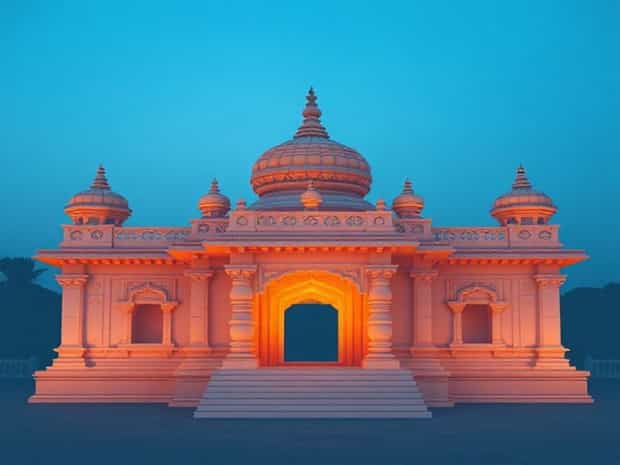
Maharaniyo Ki Chhatri Cenotaphs
The Maharaniyo Ki Chhatri cenotaphs are an exquisite testament to the architectural brilliance and cultural heritage of Rajasthan, India. Located in the historic city of Bundi, these cenotaphs, also known as chhatris, were built to honor the queens of the erstwhile princely state. Each chhatri showcases intricate carvings, delicate stonework, and a harmonious blend of Mughal and Rajput architectural styles, reflecting the grandeur of royal patronage. For centuries, these monuments have stood as silent witnesses to the royal history of Bundi, offering a glimpse into the life, status, and reverence accorded to the queens who once held prominence in the region.
Historical Significance
The Maharaniyo Ki Chhatri cenotaphs were constructed during the 17th and 18th centuries to commemorate the queens of Bundi. Unlike the more prominent royal cenotaphs dedicated to kings, these chhatris highlight the importance of royal women in the social and political fabric of the time. They were not merely memorials but also spaces for reflection and homage, demonstrating the respect accorded to the queens’ contributions to the kingdom. The term chhatri” itself signifies a domed pavilion, often used in Indian architecture to mark a memorial or a place of honor.
Architectural Features
The architecture of Maharaniyo Ki Chhatri cenotaphs is remarkable for its intricate craftsmanship and aesthetic appeal. Constructed primarily from sandstone and marble, the cenotaphs feature delicately carved pillars, ornate domes, and jali (lattice) work that allows natural light to create mesmerizing patterns within the structure. Each chhatri is unique in design, reflecting the individual identity and status of the queen it commemorates. The blend of Rajput and Mughal elements is evident in the arches, domes, and decorative motifs, symbolizing the cultural exchanges that influenced regional architecture during that period.
Layout and Design
The cenotaphs are arranged in a serene garden-like setting, often elevated on platforms to signify prominence. The layout follows a linear and symmetrical design, with pathways connecting individual chhatris, allowing visitors to experience the site in a contemplative manner. The central domed structures are flanked by smaller pavilions, and the walls are adorned with carved floral patterns, geometric designs, and inscriptions in Sanskrit or regional scripts. This spatial organization reflects both aesthetic considerations and the hierarchical importance of the royal women commemorated.
Symbolism and Cultural Context
Each chhatri carries deep symbolic meaning. The domed roofs signify the heavenly abode, while the elevated platforms indicate honor and respect. The intricate carvings and decorative motifs represent prosperity, devotion, and the enduring legacy of the royal women. These cenotaphs were also a site for ritual observances and ceremonies, particularly during annual commemorations. The Maharaniyo Ki Chhatri thus embodies not only architectural splendor but also the cultural and spiritual reverence for queenship in Rajasthani society.
Notable Cenotaphs
Among the Maharaniyo Ki Chhatri complex, certain cenotaphs stand out for their elaborate design and historical importance. For example, the chhatri dedicated to Rani Shivranjani is known for its intricately carved domes and pillars, while the cenotaph of Rani Laxmibai features exquisite jali work and floral motifs. Each cenotaph tells a story of the queen’s life, her contributions to the kingdom, and her enduring legacy. Visitors and historians alike often study these structures to gain insights into the lives of royal women, the architectural styles of the period, and the social hierarchy of Bundi.
Visitor Experience
Visiting the Maharaniyo Ki Chhatri cenotaphs offers a tranquil and immersive experience. The site is often surrounded by lush gardens, and the elevated platforms provide panoramic views of the surrounding landscape. The serene ambiance encourages reflection on the historical and cultural significance of the monuments. Guided tours are available for those interested in learning about the architectural details, historical narratives, and the symbolism embedded in each chhatri. Photographers and art enthusiasts are particularly drawn to the site for its intricate carvings, symmetry, and interplay of light and shadow through the jali screens.
Preservation and Conservation
Preserving the Maharaniyo Ki Chhatri cenotaphs is crucial for maintaining the cultural heritage of Bundi. Over time, exposure to natural elements has posed challenges to the integrity of the sandstone and marble structures. Conservation efforts focus on cleaning, structural reinforcement, and protective measures to prevent further deterioration. Local authorities, heritage organizations, and archaeologists work collaboratively to ensure that these cenotaphs remain intact for future generations. Educational programs and awareness campaigns also aim to promote understanding and appreciation of this unique heritage site.
Architectural Influence and Legacy
The design of the Maharaniyo Ki Chhatri cenotaphs has influenced subsequent architectural works in Rajasthan and beyond. The harmonious integration of domes, pillars, and decorative elements is evident in later palaces, memorials, and religious structures. The cenotaphs serve as a reference point for students of architecture, art history, and cultural studies, illustrating how regional traditions and aesthetic sensibilities shaped monumental constructions. The legacy of these cenotaphs underscores the enduring importance of women in the cultural and political life of princely states.
The Maharaniyo Ki Chhatri cenotaphs are a remarkable fusion of art, architecture, and history. They honor the queens of Bundi with grace and grandeur, reflecting their status, influence, and contributions to the kingdom. Beyond their aesthetic appeal, these cenotaphs serve as a cultural and historical archive, offering insights into the traditions, social structures, and values of Rajasthani society. As visitors explore the intricate carvings, serene pathways, and domed pavilions, they are transported to a bygone era where royalty, artistry, and reverence for queenship converged in architectural brilliance. Preserving and appreciating these cenotaphs ensures that the stories of the royal women of Bundi continue to inspire and educate generations to come.