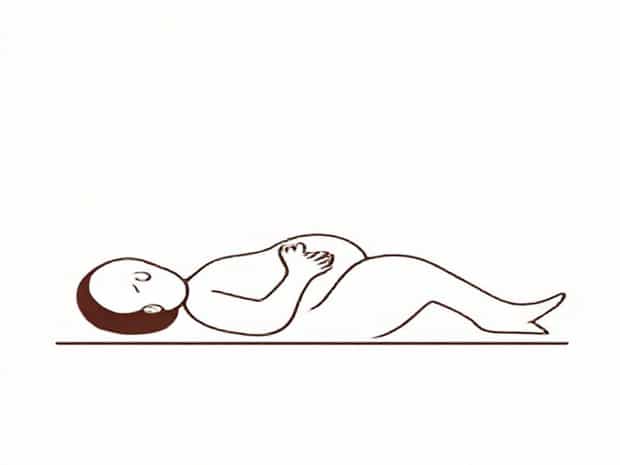
Lying On Back Propped Up Pregnancy
During pregnancy, positioning and posture are essential considerations for comfort, safety, and optimal blood circulation. One position that many expectant mothers experiment with is lying on the back, propped up with pillows or wedges. This posture, often used for relaxation, reading, or watching television, may offer temporary relief from common pregnancy discomforts such as back pain, swelling, or shortness of breath. However, it is important to understand the benefits, potential risks, and proper techniques for lying on the back while propped up during pregnancy to ensure both maternal and fetal well-being.
Understanding the Lying on Back Position in Pregnancy
Lying on the back during pregnancy, particularly in the second and third trimesters, can sometimes affect circulation and maternal comfort. As the uterus grows, it can compress major blood vessels such as the inferior vena cava, which carries blood from the lower body to the heart. This compression can lead to dizziness, reduced blood flow, and hypotension. Propping up with pillows or wedges at a slight incline helps reduce pressure on these blood vessels while allowing a more relaxed position. This modification is often recommended as a safer alternative to lying completely flat on the back.
Benefits of Being Propped Up
- Improved ComfortUsing pillows to elevate the upper body can relieve pressure on the lower back, chest, and abdomen, enhancing comfort during rest.
- Reduced SwellingElevating the legs slightly while propped up may improve circulation and reduce swelling in the feet and ankles, which is common in pregnancy.
- Enhanced BreathingA semi-reclined position can make breathing easier by reducing pressure on the diaphragm and lungs.
- Facilitates Certain ExercisesPropped-up positions can assist in prenatal exercises such as pelvic tilts or gentle stretches, helping maintain flexibility and muscle tone.
- Promotes RelaxationMany pregnant women find this position helpful for reading, watching television, or simply resting without straining the back or abdomen.
Techniques for Safe Back Propping
To safely lie on the back during pregnancy, especially in the later stages, using proper support and positioning is crucial. Simple adjustments can make a significant difference in comfort and circulation.
Pillow Placement
Using pillows strategically can enhance safety and relaxation. Placing a pillow or wedge under the upper back and shoulders elevates the torso, while additional support under the knees can reduce lower back strain. Some women also use side pillows to prevent rolling onto the back completely, which may further reduce pressure on blood vessels.
Angle of Incline
A gentle incline of around 30 to 45 degrees is often recommended. This slight elevation keeps the uterus from pressing directly on the inferior vena cava, allowing better blood flow and reducing the risk of dizziness or shortness of breath. Adjusting the incline to individual comfort levels is important, and using adjustable wedges or reclining chairs can help achieve an optimal angle.
Alternating Positions
Even with proper propping, it is advisable not to remain in one position for extended periods. Alternating between left-side, right-side, and propped-up back positions can enhance circulation, reduce pressure points, and minimize fatigue. Side-lying positions, particularly on the left side, are generally recommended for prolonged rest as they promote better blood flow to the placenta and fetus.
Risks and Considerations
While lying on the back propped up is generally safer than lying completely flat, certain risks remain if not done properly. It is important for pregnant women to monitor for symptoms such as dizziness, nausea, or tingling in the lower extremities, which can indicate reduced blood flow. Consulting with a healthcare provider is recommended, particularly for women with high blood pressure, gestational diabetes, or other pregnancy complications.
Conditions Requiring Caution
- Hypertension or Pre-eclampsiaWomen with high blood pressure should consult their doctor before using back-propped positions, as blood flow changes may affect their condition.
- Heart or Circulatory IssuesAny existing cardiovascular concerns require careful monitoring when lying in semi-reclined positions.
- Third-Trimester ConsiderationsThe risk of vena cava compression increases as pregnancy progresses, so adjustments to elevation and support become more critical.
Alternative Positions for Comfort
Pregnant women seeking comfort and safety may consider additional positions beyond lying on the back propped up. Side-lying, particularly on the left side, is often encouraged for sleep and rest, while semi-reclined positions can be used for short periods of relaxation. Using pregnancy pillows or body cushions can support multiple areas, including the back, abdomen, and legs, improving overall comfort and reducing strain.
Incorporating Movement
In addition to resting in propped positions, gentle movement is important for circulation and muscle health. Short walks, stretching, or prenatal yoga can complement periods of lying down, ensuring that blood flow remains consistent and reducing stiffness or discomfort.
Lying on the back propped up during pregnancy can be a comfortable and safe position when done correctly. By using pillows or wedges to elevate the upper body and slightly support the legs, pregnant women can reduce pressure on major blood vessels, alleviate back pain, and improve breathing and relaxation. However, it is essential to remain mindful of individual health conditions and to alternate positions to maintain optimal circulation. Consulting a healthcare provider and incorporating safe posture practices ensures that lying on the back propped up contributes positively to both maternal and fetal well-being. Understanding the proper techniques, benefits, and precautions associated with this position allows expectant mothers to rest comfortably while supporting a healthy pregnancy.