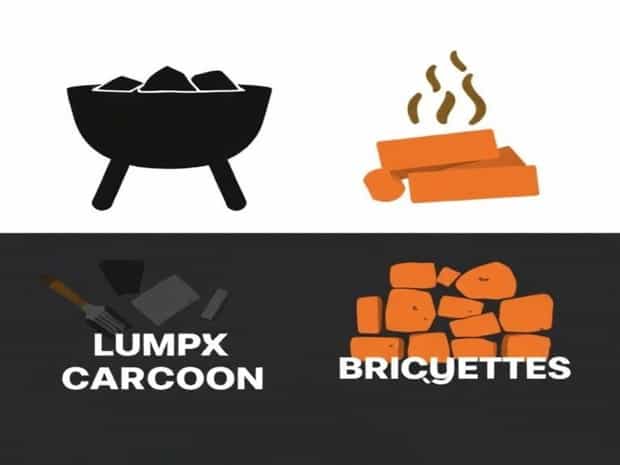
Lump Charcoal Vs Briquettes
When it comes to outdoor grilling, the choice of fuel plays a crucial role in determining both the flavor of the food and the cooking experience. Among the most popular options, lump charcoal and briquettes stand out as the two main types of charcoal used by backyard chefs and professional pitmasters alike. Each type of charcoal offers unique characteristics, burning properties, and benefits that can significantly influence your grilling results. Understanding the differences between lump charcoal and briquettes is essential for anyone looking to optimize their barbecue, achieve perfect sear marks, and enjoy the authentic smoky flavor that only charcoal grilling can provide. With careful consideration, choosing the right type of charcoal can elevate your cooking and make outdoor meals more enjoyable and flavorful.
What is Lump Charcoal?
Lump charcoal is made by burning pieces of hardwood in a low-oxygen environment until all volatile compounds are removed, leaving behind nearly pure carbon. Unlike briquettes, lump charcoal is natural and contains no additives or binders, making it a preferred choice for many grilling enthusiasts who want a cleaner, more authentic flavor. The irregular shape and varying size of lump charcoal pieces allow for greater airflow in the grill, which can result in higher temperatures and faster heating. These characteristics make lump charcoal ideal for searing steaks, grilling vegetables, or any cooking that benefits from intense heat. Additionally, lump charcoal produces less ash compared to briquettes, reducing cleanup time and keeping your grill tidy.
Benefits of Lump Charcoal
- Natural compositionMade from pure hardwood, free of chemicals and fillers.
- High heat potentialBurns hotter than briquettes, perfect for searing meat.
- Quick lightingIgnites faster and reaches cooking temperature sooner.
- Less ash productionEasier cleanup and more efficient airflow in the grill.
- Flavor enhancementProvides a natural smoky taste that enhances grilled foods.
What are Charcoal Briquettes?
Charcoal briquettes are manufactured from compressed charcoal dust, sawdust, and other natural materials, often combined with binders and fillers to help the briquettes maintain their shape and burn consistently. Some briquettes may also contain additives to aid in ignition or enhance burning time. Briquettes are uniform in size and shape, which provides steady heat and makes it easier to maintain a consistent temperature over a long period. This consistency makes briquettes a popular choice for slow-cooking, smoking, and long barbecues where maintaining even heat is essential. Although they produce more ash than lump charcoal, the predictable performance of briquettes can be highly beneficial for novice grillers or anyone cooking large meals over an extended time.
Benefits of Charcoal Briquettes
- Consistent heatUniform shape ensures steady, predictable temperatures.
- Longer burn timeIdeal for slow-cooking, smoking, or large grilling sessions.
- Easy to handleUniform size and density make stacking and lighting simpler.
- AvailabilityWidely available in most stores and easy to store.
- Cost-effectiveGenerally cheaper than premium lump charcoal for large quantities.
Key Differences Between Lump Charcoal and Briquettes
While both lump charcoal and briquettes serve the same primary function of providing heat for grilling, their properties and performance vary significantly. Understanding these differences can help you choose the best option for your cooking style and needs.
Composition and Additives
Lump charcoal is composed entirely of natural hardwood, with no fillers or chemicals, while briquettes contain compressed charcoal with binders, fillers, and sometimes additives for enhanced performance. This difference affects both flavor and combustion. Lump charcoal offers a cleaner, more natural smoky flavor, whereas briquettes may impart a slightly neutral or chemically influenced taste if lower-quality options are used.
Burning Temperature
Lump charcoal burns hotter than briquettes, reaching temperatures suitable for searing and high-heat cooking. Briquettes, in contrast, burn at a steadier, more moderate temperature, making them ideal for indirect cooking or slow-smoking meat over a longer period. Depending on your cooking method, the choice between high heat and long, consistent burn will influence your results.
Burn Duration
Briquettes generally burn longer than lump charcoal due to their compressed nature, which makes them ideal for extended grilling sessions and smoking. Lump charcoal burns faster and hotter, which can be advantageous for quick grilling or when a rapid temperature increase is desired. The choice depends on whether you prioritize intense heat or prolonged cooking time.
Ash Production
Lump charcoal produces significantly less ash compared to briquettes, which reduces cleanup and helps maintain airflow within the grill. Briquettes generate more ash, which may require frequent attention during long cooking sessions to prevent airflow obstruction and temperature fluctuations.
Ease of Use
Briquettes are easier for beginners to use because of their uniform size, shape, and predictable burn. Lump charcoal requires more skill and attention, as irregular sizes can result in uneven heat distribution. Experienced grillers often prefer lump charcoal for its performance and flavor benefits, while casual or first-time users may find briquettes more convenient.
Flavor Differences
The type of charcoal used can subtly influence the flavor of grilled foods. Lump charcoal, made from pure hardwood, provides a robust, natural smoky flavor that many grilling enthusiasts find desirable. Briquettes, while still capable of producing a smoky taste, may not impart the same depth of flavor due to their additives and uniform composition. When flavor is a top priority, lump charcoal is often the preferred choice, especially for steaks, vegetables, and other foods where a rich, smoky aroma enhances the overall dining experience.
Environmental Considerations
Lump charcoal is generally considered more environmentally friendly because it contains no fillers or chemicals and is often made from sustainably sourced hardwood. Briquettes, while convenient, may include binders, fillers, or additives that can impact emissions and environmental sustainability. For environmentally conscious grillers, lump charcoal is often the better option.
Choosing the Right Charcoal for Your Needs
Deciding between lump charcoal and briquettes depends on several factors, including cooking style, flavor preferences, experience level, and the type of grill being used. For high-heat cooking and authentic smoky flavor, lump charcoal is the ideal choice. For long, slow-cooked meals where consistent heat is important, briquettes are often more practical. Many seasoned grillers also use a combination of both, starting with lump charcoal for initial searing and adding briquettes to maintain steady heat for longer cooking sessions.
Tips for Effective Charcoal Use
- Allow lump charcoal to fully ignite and develop a gray ash coating before cooking.
- Arrange briquettes evenly to ensure uniform heat distribution.
- Consider the cooking method and duration when choosing between lump charcoal and briquettes.
- Keep a chimney starter handy for easy lighting of both lump charcoal and briquettes without chemicals.
- Monitor airflow and temperature to maximize efficiency and control over your grill.
Understanding the differences between lump charcoal and briquettes is essential for achieving the best results in outdoor grilling. Lump charcoal offers natural, high-heat performance with minimal ash and superior smoky flavor, while briquettes provide consistent heat, long burn time, and ease of use. Both options have their place in the backyard kitchen, and the best choice depends on your cooking style, experience level, and the types of meals you enjoy preparing. By considering factors such as burn temperature, duration, ash production, and flavor impact, grillers can make an informed decision that enhances both their cooking experience and the taste of their food. Whether you choose lump charcoal, briquettes, or a combination of the two, understanding their properties ensures that every barbecue is flavorful, efficient, and enjoyable.
Ultimately, mastering charcoal selection is about balancing heat, flavor, and convenience to suit your unique grilling needs. With the right choice, you can elevate outdoor cooking, create delicious meals, and enjoy the art and science of grilling to its fullest.