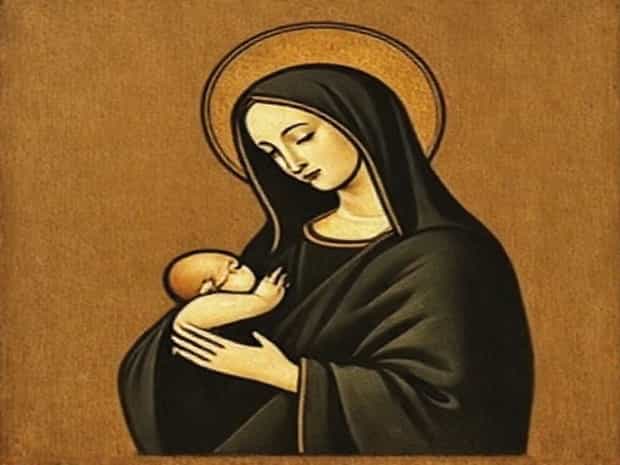
Lucca Madonna Jan Van Eyck
The Lucca Madonna by Jan van Eyck is one of the most fascinating works of Early Netherlandish painting, capturing both spiritual devotion and artistic innovation. Painted around 1437, this masterpiece reveals Van Eyck’s unmatched ability to combine realism, symbolism, and technical mastery. The painting, often regarded as an intimate altarpiece or private devotional image, shows the Virgin Mary seated on a throne, nursing the Christ Child. What makes the Lucca Madonna remarkable is not only its religious significance but also its artistic details that highlight Van Eyck’s role as one of the greatest painters of the fifteenth century.
Historical Context of the Lucca Madonna
Jan van Eyck was active during the early fifteenth century, a period marked by profound developments in art, religion, and society. He served as a court painter to Philip the Good, Duke of Burgundy, and his works reflected both the tastes of the nobility and the devotional needs of the era. The Lucca Madonna was likely painted for private use, allowing the owner to contemplate the Virgin Mary and Christ in a personal and intimate setting. The painting later became associated with the city of Lucca in Italy, from where it gained its modern name.
Composition and Style
The Lucca Madonna shows the Virgin Mary seated on a wooden throne in a richly decorated interior. She is crowned with a golden halo-like veil, and her large red robe dominates the composition, symbolizing divine love and sacrifice. The Christ Child, sitting on her lap, nurses at her breast, a strikingly human detail that emphasizes both his divinity and humanity. The throne is surrounded by detailed carvings and inlaid patterns, showing Van Eyck’s interest in naturalistic detail and texture. Behind Mary, a small room with windows reveals light and perspective, anchoring the sacred scene in a realistic domestic setting.
Symbolism in the Painting
Like many of Van Eyck’s works, the Lucca Madonna is filled with symbolic details that enrich its spiritual meaning.
- Red Robe of MarySymbolizes love, sacrifice, and her role as the Mother of Christ.
- Breastfeeding SceneEmphasizes the humanity of Jesus and Mary’s nurturing role, linking the sacred to everyday life.
- Throne CarvingsThe intricate designs may represent virtues, saints, or biblical stories, adding depth to the devotional meaning.
- Interior SpaceThe realistic room suggests that the divine can be present within ordinary human surroundings.
Comparison with Other Works by Jan van Eyck
The Lucca Madonna can be compared to other Madonna paintings by Van Eyck, such as the Dresden Triptych and the Madonna of Chancellor Rolin. In each of these works, Van Eyck places the Virgin in richly detailed interiors or landscapes, combining grandeur with intimacy. However, the Lucca Madonna stands out for its monumental depiction of Mary, who almost seems larger than the space she inhabits, reinforcing her importance in the spiritual hierarchy. This emphasis on scale and symbolism reveals Van Eyck’s unique interpretation of religious devotion.
Technical Mastery
Jan van Eyck was a pioneer of oil painting, and the Lucca Madonna demonstrates his skill with the medium. Oil paint allowed him to achieve subtle gradations of light, lifelike textures, and luminous colors. The folds of Mary’s robe, the reflections in the polished throne, and the soft skin of the infant Christ all showcase his technical precision. His use of light is particularly remarkable; the way natural light streams through the windows creates a serene and sacred atmosphere, enhancing the sense of divine presence.
The Role of Private Devotion
During the fifteenth century, devotional paintings like the Lucca Madonna were central to private religious practice. Owners used such artworks to focus their prayers and meditations, often imagining themselves in the presence of the Virgin and Child. The intimate scale of the Lucca Madonna suggests it was meant for private use rather than public display. By presenting the Virgin in a domestic interior, Van Eyck made the holy accessible to the viewer, bridging the gap between the sacred and everyday life.
Influence and Legacy
The Lucca Madonna influenced later artists in the Northern Renaissance who admired Van Eyck’s ability to combine realism with symbolism. Painters such as Rogier van der Weyden and Hans Memling continued the tradition of depicting the Madonna in richly detailed interiors, drawing inspiration from Van Eyck’s balance of naturalism and spirituality. Beyond its immediate artistic impact, the Lucca Madonna remains a key example of how fifteenth-century painters redefined religious imagery to suit both public and private devotion.
Interpretations of the Work
Scholars have offered various interpretations of the Lucca Madonna over the years. Some see it as a representation of Mary as the Queen of Heaven, enthroned in majesty. Others emphasize her role as a nurturing mother, highlighting the intimate act of breastfeeding. The combination of grandeur and tenderness makes the painting resonate on multiple levels, allowing viewers to connect with it spiritually and emotionally. The ambiguity of the interior setting also adds to its richness, as it seems both a real domestic space and a symbolic holy chamber.
The Connection to Lucca
The painting became known as the Lucca Madonna because it was once housed in a collection in Lucca, Italy. While its origins remain connected to the Burgundian Netherlands, its later journey to Italy highlights the widespread appreciation of Van Eyck’s art across Europe. Collectors and patrons valued such works for their beauty, craftsmanship, and devotional power, ensuring their preservation and influence for centuries.
Jan van Eyck’s Artistic Vision
The Lucca Madonna reflects Jan van Eyck’s broader vision as an artist. His ability to merge the sacred with the everyday, to present divine figures in human terms without diminishing their spiritual power, marked a turning point in Western art. His precise observation of reality, combined with his deep symbolic imagination, made his paintings both innovative and timeless. The Lucca Madonna is a perfect example of how he transformed devotional art into an immersive, almost meditative experience.
The Lucca Madonna by Jan van Eyck is more than a simple image of the Virgin and Child; it is a profound meditation on faith, love, and artistic beauty. Through its symbolism, composition, and technical mastery, the painting continues to captivate viewers centuries after its creation. As part of the legacy of Early Netherlandish painting, it demonstrates how art can serve both as a devotional tool and a masterpiece of human creativity. By studying the Lucca Madonna, we gain not only a glimpse into Van Eyck’s genius but also into the spiritual life of the fifteenth century, where devotion and art were deeply intertwined.