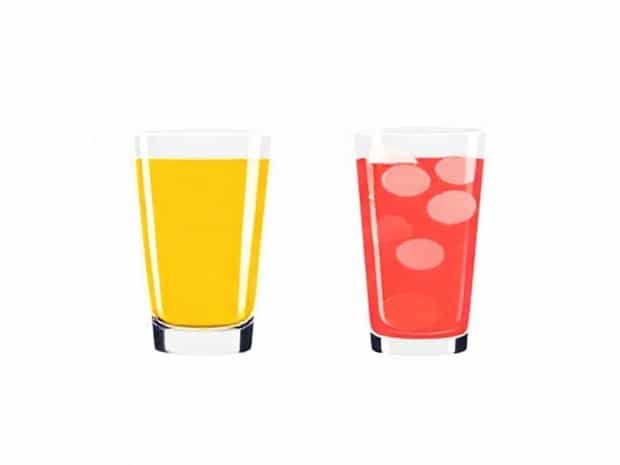
Lowball Glass Vs Highball Glass
When it comes to serving beverages, choosing the right glass can greatly enhance both the presentation and the drinking experience. Among the most commonly discussed glassware in bars and homes are lowball glasses and highball glasses. While they may seem similar at first glance, each type of glass has a distinct purpose, design, and ideal use. Understanding the differences between a lowball glass and a highball glass can help enthusiasts and casual drinkers alike select the perfect vessel for cocktails, spirits, and mixed drinks. The choice of glass also influences the perception of flavor, aroma, and overall enjoyment of the beverage.
Design and Characteristics of a Lowball Glass
A lowball glass, often referred to as an Old Fashioned glass or rocks glass, is typically short and wide, designed to hold smaller quantities of liquid, usually between 6 to 10 ounces. Its thick base is not only aesthetically pleasing but also functional, as it provides stability and allows for muddling ingredients directly in the glass. The wide rim of a lowball glass enables easy sipping and enhances the experience of sipping neat spirits or cocktails with ice.
Key Features
- Short and wide design for a compact appearance
- Thick base for stability and durability
- Holds approximately 6-10 ounces of liquid
- Wide opening to enhance aroma and sipping experience
Best Uses
- Serving neat or on-the-rocks spirits such as whiskey, bourbon, or scotch
- Classic cocktails like the Old Fashioned or Negroni
- Drinks that require muddling of ingredients, such as mint in a Mint Julep
- Short mixed drinks where a strong flavor profile is desired
Design and Characteristics of a Highball Glass
A highball glass, on the other hand, is taller and narrower than a lowball glass, usually holding between 8 to 12 ounces of liquid. Its elongated shape is ideal for mixed drinks that include a significant proportion of a non-alcoholic mixer, such as soda, tonic, or juice. The vertical design allows for the addition of ice without overflowing, while also giving the drink a visually appealing presentation. Highball glasses are popular in bars and homes for their versatility in serving both classic and modern cocktails.
Key Features
- Tall and slender design for an elegant look
- Holds approximately 8-12 ounces, suitable for mixed drinks
- Accommodates ice and mixers efficiently
- Enhances the visual appeal of layered or colorful drinks
Best Uses
- Mixed drinks such as gin and tonic, rum and coke, or vodka soda
- Refreshing cocktails with a high ratio of mixer to spirit
- Drinks served with ice cubes, allowing for slow dilution and chilling
- Layered cocktails where presentation is a key element
Main Differences Between Lowball and Highball Glasses
The distinction between lowball and highball glasses lies primarily in their size, shape, and intended use. While lowball glasses focus on concentrated flavors and a more intimate drinking experience, highball glasses are designed for longer, lighter drinks with mixers. Understanding these differences ensures that beverages are served optimally, enhancing taste, aroma, and overall satisfaction.
Size and Capacity
- Lowball smaller capacity, typically 6-10 ounces
- Highball larger capacity, typically 8-12 ounces
Shape and Design
- Lowball short and wide, with a thick base
- Highball tall and narrow, slender with more volume for ice and mixers
Ideal Drink Types
- Lowball neat spirits, on-the-rocks cocktails, muddled ingredients
- Highball mixed drinks with soda, tonic, juice, or other non-alcoholic components
Drinking Experience
- Lowball emphasizes aroma, flavor intensity, and tactile experience of holding the glass
- Highball emphasizes refreshment, visual appeal, and slow sipping over time
Choosing the Right Glass for the Occasion
Selecting between a lowball and highball glass often depends on the type of drink and the setting. For formal gatherings, lowball glasses may be preferred for sophisticated cocktails and spirits. Conversely, highball glasses are ideal for casual events, summer parties, or situations where long, refreshing drinks are desired. Some enthusiasts even maintain both types in their home bar to cater to various preferences and occasions.
Considerations for Home Bars
- Type of cocktails frequently served
- Preference for concentrated vs. long drinks
- Visual presentation and guest experience
- Space and storage for different glass types
Tips for Serving
- Use a lowball glass for drinks that require muddling or strong flavors
- Use a highball glass when the drink includes a substantial mixer
- Always add ice appropriately to maintain flavor without excessive dilution
- Consider garnishes that complement the type of glass used
Understanding the differences between lowball and highball glasses enhances both the preparation and enjoyment of beverages. Lowball glasses are perfect for strong, concentrated drinks, emphasizing aroma and flavor intensity, while highball glasses are suited for mixed drinks that are refreshing and visually appealing. Selecting the appropriate glass type ensures that each drink is presented optimally, maximizing both taste and aesthetic value. Whether entertaining guests or enjoying a quiet evening at home, having both lowball and highball glasses allows for versatility and sophistication in any drink selection, ensuring that every sip is an experience worth savoring.