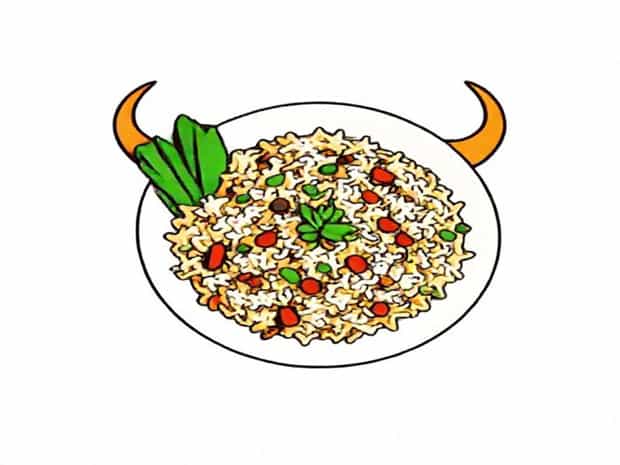
Longhorn Rice Pilaf Recipe
Longhorn Rice Pilaf has become a popular side dish for many households because it combines the comforting flavors of seasoned rice with a slightly nutty texture and aromatic herbs. Whether you are planning a family dinner, hosting a small gathering, or simply craving a flavorful rice dish, this recipe captures the essence of a classic Longhorn-inspired pilaf. It’s versatile, easy to prepare, and pairs well with a wide variety of main courses including grilled chicken, steak, or roasted vegetables. With simple ingredients and a straightforward method, even beginners can create a dish that tastes like it came from a restaurant.
Ingredients for Longhorn Rice Pilaf
The beauty of this recipe lies in its simplicity. You don’t need exotic ingredients to achieve a restaurant-quality rice pilaf. Most items can be found in your pantry or local grocery store.
- 1 cup long-grain white rice
- 2 tablespoons butter or olive oil
- 1 small onion, finely chopped
- 2 cloves garlic, minced
- 2 cups chicken or vegetable broth
- 1/4 cup slivered almonds or pine nuts (optional)
- 1/4 cup chopped fresh parsley or cilantro
- 1 teaspoon salt
- 1/2 teaspoon black pepper
- 1/2 teaspoon paprika or smoked paprika
- 1/4 teaspoon dried thyme or oregano
- 1/4 cup shredded carrots or peas (optional for added color)
Preparing the Rice
Start by rinsing the rice under cold water until the water runs clear. This helps remove excess starch, which prevents the rice from becoming too sticky. After rinsing, drain the rice thoroughly and set it aside. Proper preparation of the rice ensures that each grain remains fluffy and separate, which is the hallmark of a good pilaf.
Sautéing Aromatics
In a medium-sized saucepan or skillet, melt the butter over medium heat. Add the chopped onion and cook for about 3-4 minutes until it becomes soft and translucent. Next, add the minced garlic and sauté for an additional 1 minute. These aromatics form the base of the pilaf and infuse the rice with a rich flavor that enhances the overall dish.
Toasting the Rice
Once the onions and garlic are fragrant, add the rinsed rice to the pan. Stir constantly for 2-3 minutes to lightly toast the rice. Toasting the rice not only adds a subtle nutty flavor but also helps maintain the texture of individual grains during cooking. If you choose to include nuts, such as slivered almonds or pine nuts, add them at this stage to lightly toast and bring out their natural flavor.
Cooking the Pilaf
After the rice is toasted, pour in the chicken or vegetable broth. Stir in the salt, black pepper, paprika, and dried herbs. Bring the mixture to a gentle boil over medium heat. Once boiling, reduce the heat to low, cover the pan, and simmer for 15-18 minutes or until the rice is tender and the liquid has been absorbed. Avoid lifting the lid too often, as this can release steam and affect the cooking process.
Adding Vegetables and Fresh Herbs
If you want to incorporate extra flavor and color, add the shredded carrots or peas about 5 minutes before the rice finishes cooking. This ensures that the vegetables remain slightly crisp and vibrant. Once the rice is cooked, remove the pan from heat and let it sit, covered, for 5 minutes. This resting period allows the grains to firm up and makes it easier to fluff the rice without breaking it.
Fluffing and Serving
After the resting period, gently fluff the rice with a fork to separate the grains. Stir in the chopped fresh parsley or cilantro for a burst of freshness. The Longhorn Rice Pilaf is now ready to serve alongside your favorite main dishes. Its balanced combination of savory flavors, tender rice, and aromatic herbs makes it a perfect complement to grilled meats, seafood, or vegetarian dishes.
Tips for Perfect Rice Pilaf
- Use fresh broth for a richer flavor.
- Do not skip the toasting step; it enhances the nutty aroma of the rice.
- Adjust the seasoning to taste, especially if you prefer a slightly spicier or more herbaceous pilaf.
- Optional nuts and vegetables add texture and color, making the dish more visually appealing.
- For a creamier version, stir in a small amount of cream or a pat of butter before serving.
Variations on Longhorn Rice Pilaf
This recipe can be easily customized to suit different tastes or dietary preferences. For a vegetarian option, use vegetable broth and skip any animal-derived ingredients. For a more robust flavor, add sautéed mushrooms, bell peppers, or sun-dried tomatoes. You can also experiment with different herbs such as basil, rosemary, or dill to create a unique twist on the classic pilaf.
Serving Suggestions
Longhorn Rice Pilaf pairs wonderfully with a variety of dishes. Serve it alongside grilled chicken or steak for a hearty meal. For a lighter option, pair it with roasted vegetables or baked fish. It also works well as a side dish for holiday meals, potlucks, or casual family dinners. The dish can be enjoyed warm or at room temperature, making it versatile for different dining occasions.
Storage and Reheating
If you have leftovers, store the rice pilaf in an airtight container in the refrigerator for up to 3 days. To reheat, sprinkle a small amount of water over the rice and cover it with a lid or microwave-safe wrap to prevent it from drying out. Reheat on low heat or in the microwave until warmed through. Leftover rice pilaf can also be incorporated into other dishes, such as rice salads, stuffed peppers, or stir-fries.
Longhorn Rice Pilaf is an easy yet flavorful dish that can elevate any meal. Its aromatic blend of rice, herbs, and lightly toasted nuts creates a side that is both comforting and sophisticated. By following this recipe, you can enjoy a restaurant-quality pilaf at home, perfect for family dinners, special occasions, or even meal prep. The versatility of this dish allows for countless variations, ensuring that each serving can be slightly different while remaining delicious. With simple ingredients, a straightforward cooking process, and endless customization options, Longhorn Rice Pilaf is a recipe worth keeping in your culinary repertoire.