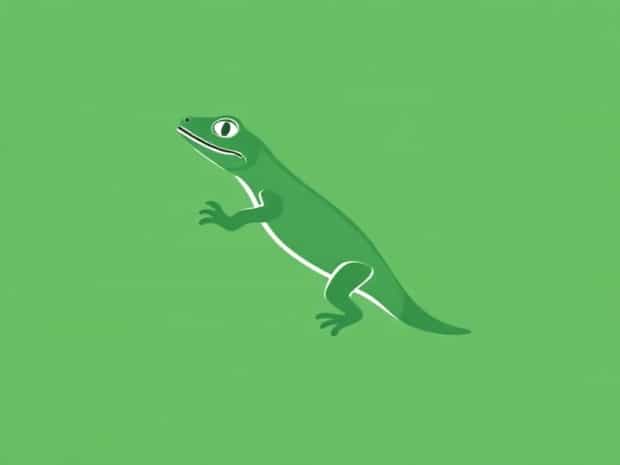
Lizard Bobbing Up And Down
Observing a lizard bobbing up and down can be a fascinating sight in nature. This behavior is often noticed among various species, particularly those that are territorial or use visual signals to communicate. The up-and-down movement is not random; it serves important purposes in social interaction, mating, and territorial defense. Understanding why lizards engage in this behavior can provide insight into their communication methods, social structure, and survival strategies. By studying these movements, both amateur wildlife enthusiasts and herpetologists can gain a deeper appreciation for the subtle yet complex behaviors of these reptiles.
Why Lizards Bob Up and Down
Lizards use a variety of physical signals to communicate with one another, and bobbing is one of the most common. This movement is usually performed by male lizards but can be observed in females under certain circumstances. Bobbing serves as a visual signal that can convey different messages depending on context, speed, and intensity.
Territorial Displays
One of the primary reasons lizards bob up and down is to establish and defend territory. By performing a series of bobs, a lizard communicates to rivals that the area is occupied. This behavior reduces the need for physical confrontations, which could result in injury. The motion makes the lizard appear larger and more intimidating, helping to maintain boundaries without direct conflict.
Mating Behavior
In addition to territorial displays, bobbing can be part of courtship rituals. Male lizards often bob to attract females, signaling their presence, strength, and fitness. Females may respond with visual cues of their own, creating a complex interaction of gestures. The frequency and pattern of bobbing can indicate the male’s health and suitability as a mate, influencing female choice.
Communication Among Species
Different species of lizards may use bobbing in slightly different ways. For example, anoles, a common group of lizards, use bobbing combined with head tilts and dewlap displays to communicate. The specific style of bobbing, including speed, number of bobs, and duration, can convey nuanced information that other lizards recognize and respond to. These behaviors are learned over time and refined through repeated social interactions.
Mechanics of Bobbing
The physical action of bobbing involves coordinated movements of the head and body. Lizards typically lower and raise their head rapidly while keeping their body mostly stable. The motion can be performed slowly for a subtle signal or rapidly for a more urgent message. In some species, bobbing is accompanied by tail movements, coloration changes, or vocalizations to enhance communication.
Head Bobbing vs. Full Body Movement
- Head BobbingA simple up-and-down motion of the head, often used in territorial or social signaling.
- Full Body BobsMore pronounced movements involving the entire body, creating a stronger visual impact for rivals or mates.
- Combination SignalsSome lizards combine head and body movements with dewlap extensions or color changes for maximum effect.
Environmental Influences
The context in which a lizard bobs up and down is influenced by its environment. Temperature, presence of predators, and availability of resources can affect the frequency and intensity of bobbing. Lizards are ectothermic, meaning their activity levels depend on external temperatures. Warmer conditions may lead to more frequent displays, while cooler conditions can reduce activity. Additionally, urban environments can alter how and when lizards use these signals, as artificial structures and human activity impact their visibility and behavior.
Interactions with Predators
Bobbing may also serve a defensive function. By moving in a conspicuous manner, lizards can warn predators that they are alert and difficult to catch. In some cases, bobbing can be part of a deimatic display, which is meant to startle or confuse predators temporarily, giving the lizard a chance to escape.
Resource Competition
Lizards compete for food, shelter, and basking spots. Bobbing serves as a non-contact way to assert dominance and secure access to these resources. By observing the frequency and style of bobs, rival lizards can determine whether to engage or retreat, helping to minimize physical fights and conserve energy.
Observing Bobbing Behavior
For those interested in wildlife observation, noting lizard bobbing behavior can provide insight into social structures and ecological dynamics. By recording the timing, frequency, and participants in bobbing displays, observers can identify patterns related to territory, mating, and hierarchy. This type of behavioral observation is valuable for both amateur enthusiasts and professional researchers.
Tips for Observation
- Stay at a distance to avoid disturbing natural behavior.
- Use binoculars or zoom cameras to watch details of head and body movements.
- Record the number of bobs, speed, and duration to compare across individuals.
- Note environmental conditions, such as temperature, time of day, and presence of other lizards.
Lizards bobbing up and down is a fascinating example of animal communication that combines visual signals, social interaction, and environmental awareness. This behavior serves multiple purposes, including territorial defense, courtship, and predator deterrence, and can vary significantly across species and contexts. Observing and understanding bobbing provides insight into the complex social lives of lizards and highlights the importance of non-verbal communication in the animal kingdom. By studying these patterns, we gain a deeper appreciation for how lizards interact with each other and their environment, demonstrating that even small reptiles possess remarkable intelligence and adaptability.