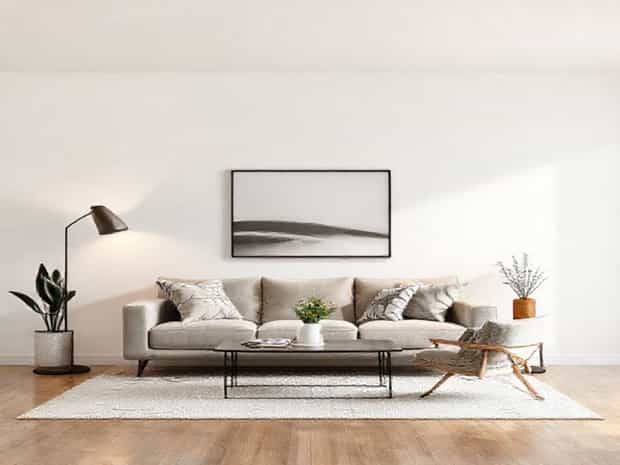
Living Room Decorate Ideas
Decorating a living room is one of the most exciting ways to express personal style while creating a comfortable and inviting space for family and guests. The living room is often the heart of a home, serving as a place for relaxation, socializing, and entertaining. Choosing the right combination of furniture, colors, textures, and accessories can transform an ordinary room into a stylish and functional environment. From minimalist designs to cozy, layered aesthetics, there are countless living room decorate ideas to suit every taste and lifestyle.
Choosing the Right Color Palette
Color sets the tone for your living room and influences the mood and ambiance. Selecting a cohesive color palette is essential for creating a harmonious space. Neutral tones such as beige, gray, and white can provide a calming backdrop, allowing accent colors and textures to stand out. Bold colors like deep blues, greens, or rich reds can create a statement and energize the room. Consider balancing vibrant shades with neutral elements to maintain a visually appealing and comfortable space.
Tips for Selecting Colors
- Start with a neutral base for walls or larger furniture pieces.
- Use accent colors in pillows, rugs, or wall art to add personality.
- Consider the amount of natural light when choosing shades.
- Incorporate a mix of warm and cool tones for balance.
Furniture Arrangement and Selection
The placement and choice of furniture can dramatically impact the functionality and flow of your living room. Start by identifying the focal point, such as a fireplace, TV, or large window, and arrange seating around it. Sofas, armchairs, and coffee tables should be positioned to encourage conversation and create comfortable walking paths. Modular or multifunctional furniture can provide flexibility, especially in smaller spaces. Choosing furniture that complements the room’s style and size is crucial for achieving both comfort and aesthetic appeal.
Furniture Placement Ideas
- Create conversation zones with sofas facing each other or angled chairs.
- Use area rugs to define seating areas and add warmth.
- Incorporate side tables and ottomans for convenience and extra seating.
- Ensure there is enough space to move around comfortably.
Lighting and Ambiance
Lighting plays a critical role in living room design, affecting both functionality and mood. Combining multiple types of lighting, such as ambient, task, and accent, can create a layered and inviting atmosphere. Overhead lighting provides general illumination, while table lamps and floor lamps offer localized light for reading or working. Accent lighting, such as wall sconces or LED strips, can highlight artwork, architectural features, or decorative objects. Choosing the right bulbs and placement ensures the room is both practical and visually appealing.
Lighting Tips
- Use dimmers to control brightness and create different moods.
- Layer lighting with a mix of ceiling lights, lamps, and accent lights.
- Consider natural light and use curtains or blinds to adjust intensity.
- Highlight key design elements with focused accent lighting.
Incorporating Textures and Patterns
Adding textures and patterns can bring depth and interest to your living room. Soft fabrics, such as velvet, linen, or faux fur, add comfort and visual richness. Mixing materials like wood, metal, and glass can enhance the overall aesthetic. Patterns in rugs, pillows, or curtains provide a dynamic look and can tie together various elements in the room. When combining textures and patterns, balance is key to avoid overwhelming the space.
Texture and Pattern Ideas
- Layer rugs of different textures to create warmth.
- Use patterned cushions or throws to add visual interest.
- Mix matte and glossy surfaces for contrast.
- Combine natural and synthetic materials for a contemporary feel.
Wall Art and Decorative Elements
Decorative accents and wall art allow you to personalize your living room and reflect your style. Artwork, mirrors, shelves, and framed photos can enhance the room’s character and create focal points. Consider the scale of wall decorations in relation to furniture to maintain balance. Floating shelves or gallery walls offer opportunities for both function and decoration, displaying books, plants, or collectibles while adding style.
Decorative Tips
- Choose artwork that complements your color scheme and theme.
- Use mirrors to enhance natural light and create a sense of space.
- Arrange objects at varying heights for visual interest.
- Keep clutter minimal to maintain a clean and elegant look.
Incorporating Greenery
Plants can breathe life into a living room, adding color, texture, and a sense of freshness. From tall floor plants to small potted succulents, greenery can soften lines, fill empty corners, and improve air quality. Planters in various materials and styles can also act as decorative elements, blending seamlessly with other design features. Incorporating living plants or flowers provides a natural touch that enhances the overall ambiance of the room.
Plant Placement Ideas
- Use tall plants to fill empty corners or beside furniture.
- Hang small planters near windows for added greenery without taking floor space.
- Mix plants with different leaf shapes and textures for variety.
- Rotate plants regularly to ensure even growth and sunlight exposure.
Functional Accessories
Beyond aesthetics, accessories can add functionality and organization to your living room. Storage solutions like baskets, cabinets, or ottomans with hidden compartments help keep the space tidy. Decorative trays can organize remotes, candles, or magazines, while stylish hooks or racks provide additional convenience. Choosing accessories that are both practical and visually appealing allows you to maintain a clutter-free and stylish living room.
Functional Accessory Ideas
- Use decorative baskets for blankets and toys.
- Incorporate storage ottomans for dual purpose seating and storage.
- Add trays or bowls for organizing small items.
- Use hooks or wall organizers for keys, bags, or electronics.
Decorating a living room involves a balance of style, comfort, and functionality. By carefully selecting colors, furniture, lighting, textures, and decorative elements, homeowners can create a space that reflects their personality and meets their practical needs. From minimalist modern layouts to cozy, layered interiors, the possibilities are endless. Incorporating greenery, personal touches, and functional accessories enhances the space while keeping it organized and inviting. With thoughtful planning and creativity, a living room can become the perfect environment for relaxation, socializing, and making lasting memories.
By combining these living room decorate ideas, anyone can transform their space into a harmonious and aesthetically pleasing environment. Experimenting with different elements, maintaining balance, and prioritizing comfort ensures a room that is not only visually appealing but also welcoming and functional for everyday life.