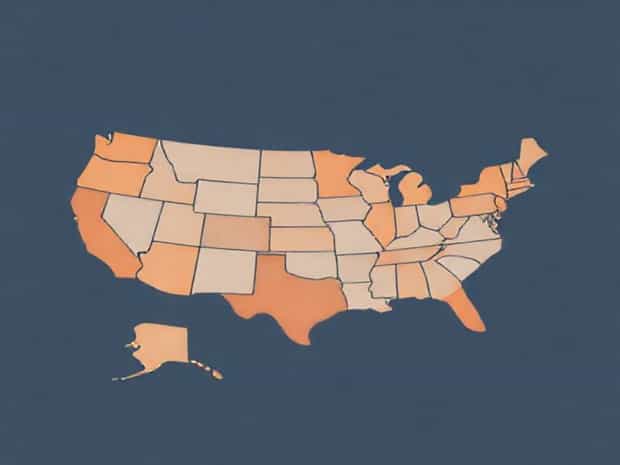
List Of Monopolistic States For Workers Compensation
Workers’ compensation is a critical component of workplace safety and employee rights, ensuring that workers who suffer from job-related injuries or illnesses receive necessary medical care and financial support. While most states in the United States allow private insurers to provide workers’ compensation coverage, a small number of states operate under a monopolistic state fund system. In these monopolistic states, employers are required to purchase workers’ compensation insurance directly from a state-run fund, which creates a unique regulatory environment with specific advantages and challenges. Understanding which states are monopolistic and how their systems operate is essential for both employers and employees navigating workplace injury claims.
Understanding Monopolistic State Funds
A monopolistic state fund refers to a state-run workers’ compensation insurance program in which private insurers are prohibited from offering coverage. This model is designed to centralize the administration of workers’ compensation, streamline claims processing, and often provide a stable and predictable rate structure. Monopolistic state funds are typically overseen by a state agency responsible for underwriting, premium collection, and claims management. The purpose of these funds is to ensure that all employers in the state have access to mandatory workers’ compensation coverage, reducing gaps in coverage that may occur in a purely private market.
Benefits of Monopolistic State Funds
Monopolistic state funds offer several benefits that can influence workplace safety and employee support
- Guaranteed availability of coverage for all employers, including high-risk industries
- Standardized claims procedures and benefit levels
- Predictable premium rates, reducing volatility for employers
- Centralized oversight, which can enhance fraud prevention and regulatory compliance
- Access to state resources for workplace safety programs and injury prevention initiatives
Limitations and Challenges
Despite these advantages, monopolistic state funds also have limitations
- Lack of competition may limit innovation and flexibility in coverage options
- Premium rates may not always reflect individual employer risk profiles
- Claims processing can be bureaucratic, leading to delays in certain cases
- Employers have no alternative options if they are dissatisfied with the state fund’s service
List of Monopolistic States for Workers’ Compensation
As of the current regulatory landscape, only a few states operate monopolistic state funds for workers’ compensation. These states include
1. North Dakota
North Dakota requires all employers to obtain workers’ compensation coverage exclusively from the state fund, administered by the North Dakota Workforce Safety & Insurance (WSI). The WSI provides a range of services, including injury prevention programs, claims management, and rehabilitation support for injured workers. Employers benefit from standardized procedures and predictable rates, though they cannot choose private carriers for coverage.
2. Ohio
Ohio operates a monopolistic system through the Ohio Bureau of Workers’ Compensation (BWC). Private insurers are prohibited from providing workers’ compensation coverage, and all employers must secure insurance from the BWC. The Ohio BWC emphasizes workplace safety initiatives, rehabilitation services, and vocational training for injured employees. The fund is also funded through employer premiums, which are calculated based on industry classification and payroll.
3. Washington
Washington State’s Department of Labor & Industries (L&I) administers a monopolistic state fund for workers’ compensation. Private insurance companies are not allowed to compete in the workers’ compensation market. The L&I oversees claims management, benefits administration, and safety programs. Washington’s system is known for its comprehensive healthcare benefits for injured workers and extensive return-to-work programs aimed at reducing the duration of disability.
4. Wyoming
Wyoming’s workers’ compensation system is also monopolistic, managed by the Wyoming Department of Workforce Services. All employers must obtain coverage from the state fund, which handles claims, premium collection, and injury prevention programs. Wyoming’s system prioritizes efficiency and transparency in claims processing, ensuring that injured workers receive timely medical treatment and wage replacement benefits.
5. North Carolina (Limited Monopolistic Provisions)
While not entirely monopolistic, North Carolina historically operated a state fund alongside private insurers, with the North Carolina Industrial Commission overseeing claims. The state fund is available to employers who cannot secure coverage in the private market. This hybrid approach provides employers with a safety net while allowing some level of private competition.
How Monopolistic Systems Affect Employers
Employers in monopolistic states must navigate unique requirements compared to those in competitive markets. Some key considerations include
- Mandatory participation in the state fund regardless of company size or risk profile
- Premium rates set by state regulators, often based on industry classification and payroll
- Limited flexibility in tailoring coverage or selecting alternative insurers
- Access to state-provided safety resources and training programs
Employers must also ensure compliance with state reporting requirements, which may involve regular payroll reporting, injury notifications, and participation in workplace safety audits. While monopolistic systems reduce the risk of uncovered claims, they can limit competitive pricing options for employers seeking lower premiums.
Implications for Workers
For employees, monopolistic state funds generally provide consistent and comprehensive coverage. Workers benefit from
- Standardized medical and wage replacement benefits
- Access to rehabilitation and vocational programs
- Centralized claims processing for quicker dispute resolution
- Enhanced workplace safety initiatives funded by the state
These protections aim to ensure that workers receive adequate support in the event of injury or illness while maintaining accountability for employers in maintaining safe workplaces.
Comparing Monopolistic and Competitive States
In contrast to monopolistic states, competitive states allow employers to purchase workers’ compensation insurance from private carriers. Competitive markets often offer
- Multiple coverage options and customizable policies
- Potentially lower premiums due to market competition
- Greater flexibility in claims management and service quality
However, competitive systems can also lead to gaps in coverage if high-risk employers are denied insurance or if carriers withdraw from certain markets. Monopolistic states eliminate this risk by ensuring universal access through a state-run fund, though at the expense of reduced competition.
Monopolistic state funds play a significant role in shaping the workers’ compensation landscape in the United States. States like North Dakota, Ohio, Washington, and Wyoming provide centralized, regulated coverage that guarantees access for all employers and consistent benefits for workers. While the lack of competition may present challenges for employers seeking tailored policies, the benefits of standardized claims handling, comprehensive coverage, and strong safety initiatives are substantial. Understanding the list of monopolistic states and their operational frameworks is essential for employers, employees, and policymakers aiming to navigate the complexities of workers’ compensation and ensure workplace safety across different regulatory environments.