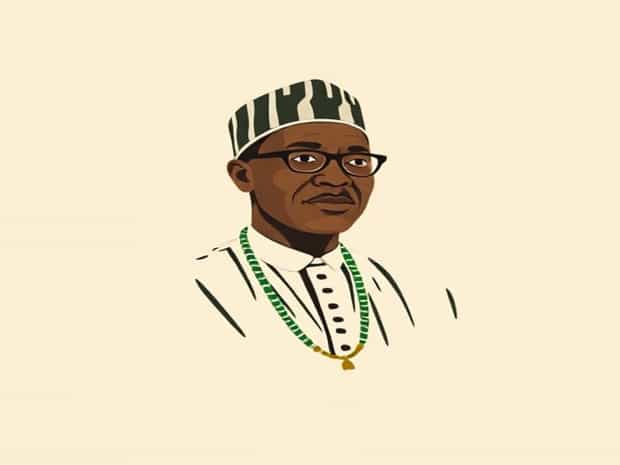
List Of Civilian President In Nigeria
Since Nigeria gained independence in 1960, the country has experienced a complex political journey characterized by alternating periods of civilian democratic governance and military rule. Understanding the list of civilian presidents in Nigeria provides insight into the nation’s evolving political landscape and the challenges it has faced in establishing stable democratic institutions.
Early Civilian Leadership
Following Nigeria’s independence, the country adopted a parliamentary system with a ceremonial president. The first civilian president was
- Nnamdi Azikiwe(1963-1966)
Azikiwe served as the ceremonial president under the 1963 constitution, which declared Nigeria a republic. His role was largely symbolic, with executive powers vested in the prime minister. Azikiwe’s tenure ended with the military coup in 1966.
Return to Civilian Rule
After years of military rule, Nigeria returned to civilian governance in 1979 with the election of
- Shehu Shagari(1979-1983)
Shagari became the first executive president of Nigeria under the Second Republic. His administration faced challenges such as allegations of corruption and economic difficulties, leading to a military coup in 1983 that ousted him from office.
Interim Civilian Leadership
In 1993, following the annulment of the presidential election won by Moshood Abiola, Nigeria witnessed the establishment of an interim civilian government
- Ernest Shonekan(1993)
Shonekan was appointed as the head of the Interim National Government. His tenure was short-lived, as he was overthrown by General Sani Abacha later that year.
Modern Civilian Presidents
Since the return to democracy in 1999, Nigeria has experienced uninterrupted civilian rule. The civilian presidents since then include
- Olusegun Obasanjo(1999-2007)
Obasanjo, a former military leader, was elected as president in 1999, marking the beginning of the Fourth Republic. He was re-elected in 2003 and served two terms, focusing on economic reforms and anti-corruption measures.
- Umaru Musa Yar’Adua(2007-2010)
Yar’Adua succeeded Obasanjo but faced health challenges that affected his ability to govern effectively. He passed away in office in 2010.
- Goodluck Jonathan(2010-2015)
Jonathan, who was vice president under Yar’Adua, assumed the presidency upon his death. He was elected in 2011 and served one full term, overseeing significant developments in the country’s infrastructure and education sectors.
- Mohammadu Buhari(2015-2023)
Buhari, a former military ruler, was elected as president in 2015, defeating incumbent Jonathan. His administration focused on anti-corruption efforts and security challenges, particularly the fight against Boko Haram insurgents.
- Bola Ahmed Tinubu(2023-present)
Tinubu was elected president in 2023, continuing Nigeria’s civilian democratic governance. His administration is expected to address issues such as economic diversification and national security.
Throughout its history, Nigeria has experienced a dynamic interplay between civilian leadership and military rule. The civilian presidents have played crucial roles in shaping the nation’s political and economic landscape. Understanding their contributions and challenges provides valuable insights into Nigeria’s ongoing journey toward democratic consolidation and national development.