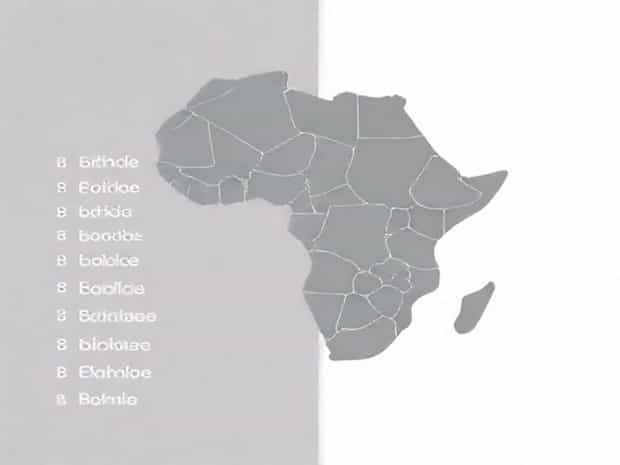
List Of African Countries
Africa is a continent of immense diversity, both culturally and geographically. It is home to 54 recognized sovereign countries, each with its own unique history, culture, and political system. From the deserts of the Sahara in the north to the tropical rainforests of Central Africa and the savannas of the south, African countries display a wide array of landscapes and climates. Understanding the full list of African countries is essential for students, travelers, researchers, and anyone interested in global geography. This list not only reflects political boundaries but also highlights the rich cultural, linguistic, and economic diversity that defines the continent.
Northern Africa
Northern Africa is characterized by arid deserts, Mediterranean coastlines, and a rich historical legacy influenced by ancient civilizations such as Egypt and Carthage. The countries in this region are
- Algeria
- Egypt
- Libya
- Mauritania
- Morocco
- Sudan
- Tunisia
- Western Sahara (disputed territory)
These countries have a mix of Arabic, Berber, and other indigenous cultures, with economies ranging from oil production to agriculture and tourism. Northern Africa is also known for its historical trade routes, including the Trans-Saharan caravan paths.
Western Africa
Western Africa is notable for its linguistic diversity, with French, English, Portuguese, and indigenous languages spoken across its countries. The region encompasses both coastal nations and landlocked states. Key countries include
- Benin
- Burkina Faso
- Cabo Verde
- Gambia
- Ghana
- Guinea
- Guinea-Bissau
- Ivory Coast (Côte d’Ivoire)
- Liberia
- Mali
- Niger
- Nigeria
- Senegal
- Sierra Leone
- Togo
The region is known for its rich musical traditions, vibrant markets, and significant natural resources such as gold, cocoa, and oil. Western Africa also played a central role in historical trade networks and continues to be a hub of cultural exchange.
Central Africa
Central Africa features dense rainforests, large rivers like the Congo, and a variety of wildlife. The countries in this region are
- Cameroon
- Central African Republic
- Chad
- Democratic Republic of the Congo
- Republic of the Congo
- Equatorial Guinea
- Gabon
- São Tomé and PrÃncipe
Central Africa is notable for its biodiversity, including endangered species and unique ecosystems. Many countries rely on natural resource extraction, forestry, and agriculture, while cultural traditions remain strong, particularly in music, dance, and visual arts.
Eastern Africa
Eastern Africa is a region of great geographic diversity, from the Great Rift Valley to the Indian Ocean coastline. The countries in this area include
- Burundi
- Comoros
- Djibouti
- Eritrea
- Eswatini (Swaziland)
- Ethiopia
- Kenya
- Madagascar
- Malawi
- Mauritius
- Mozambique
- Rwanda
- Seychelles
- Somalia
- South Sudan
- Tanzania
- Uganda
- Zambia
- Zimbabwe
This region is culturally and linguistically diverse, featuring Swahili, Amharic, Arabic, and numerous local languages. Eastern Africa is known for its wildlife safaris, volcanic landscapes, and significant historical sites, including early human fossils and ancient trade centers.
Southern Africa
Southern Africa is recognized for its mineral wealth, extensive savannas, and unique biodiversity. Countries in this region are
- Angola
- Botswana
- Lesotho
- Namibia
- South Africa
- Eswatini (Swaziland) – also counted in Eastern Africa for some classifications
- Zambia – sometimes considered part of Southern Africa
- Zimbabwe – sometimes considered part of Southern Africa
Southern Africa has a history of colonial influence from the British and Portuguese, with a diverse population and a complex socio-political landscape. The region is home to vast deserts such as the Kalahari, as well as important economic hubs like Johannesburg and Cape Town.
Significance of Knowing African Countries
Understanding the list of African countries is more than a geographic exercise. It helps in recognizing the diversity of cultures, languages, and political systems across the continent. African countries vary in population size, economic development, and natural resources. Some countries, like Nigeria and South Africa, are economic powerhouses, while others, such as Lesotho and Seychelles, have smaller populations but unique ecological and cultural significance. Knowledge of African countries also aids in understanding regional cooperation, such as the African Union, and international relationships.
Applications and Importance
- Educational purposes geography, history, and cultural studies.
- Travel planning understanding borders, languages, and customs.
- Business and economics identifying markets, resources, and trade hubs.
- Research environmental studies, social sciences, and public policy.
- Global awareness fostering appreciation of Africa’s role in international affairs.
Africa’s 54 recognized countries represent a continent of extraordinary diversity, encompassing deserts, rainforests, savannas, and islands. From Algeria in the north to South Africa in the south, and from Senegal in the west to Somalia in the east, each country contributes to the continent’s rich tapestry of culture, language, and history. Understanding the full list of African countries provides insight into political boundaries, economic potential, cultural heritage, and ecological significance. This knowledge is crucial for academics, travelers, policymakers, and anyone seeking a comprehensive understanding of Africa as a whole.