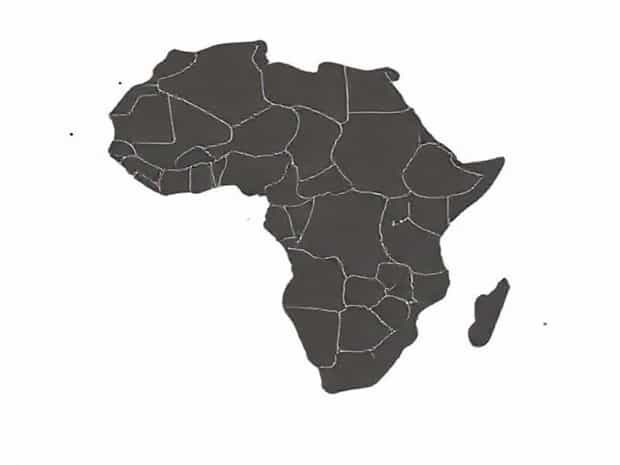
List Five Anglophone Countries In Africa
African countries are incredibly diverse in terms of language, culture, and history. Among the many linguistic groups on the continent, anglophone countries are those where English is the official language or widely used for government, education, and business. These countries typically share historical ties to the British colonial period, which shaped their legal, educational, and administrative systems. Understanding which countries are anglophone helps in studying Africa’s political, economic, and cultural landscapes. Highlighting five key anglophone countries offers insight into the role English plays across different regions of the continent and how it influences governance, education, and international relations.
Nigeria
Nigeria is the most populous country in Africa and a prominent anglophone nation. English serves as the official language, facilitating communication across its more than 250 ethnic groups and 500 indigenous languages. The colonial history under British rule established English in government, legal systems, and education, a practice that continues today. Nigeria’s anglophone identity supports international business, diplomacy, and education, making it a major player in both West Africa and the broader African continent. Cities like Lagos and Abuja are hubs where English is dominant in media, commerce, and public life.
Economic and Cultural Significance
English in Nigeria provides a unifying factor among diverse ethnic groups, allowing smooth governance and commerce. The language enables Nigeria to engage in international trade, attract foreign investment, and participate actively in global organizations. Moreover, English literacy supports cultural exchange through literature, media, and music. Nigerian authors, filmmakers, and musicians often produce works in English, reaching audiences across Africa and the world, which underscores the country’s anglophone influence.
Kenya
Kenya is another prominent anglophone country located in East Africa. English, along with Swahili, is one of the official languages, reflecting the country’s colonial history under British administration. English is used in government, education, and business, serving as a link between Kenya’s diverse ethnic communities. The language also plays a vital role in tourism, legal proceedings, and international diplomacy. Nairobi, Kenya’s capital, is a regional hub for technology, business, and international organizations, making English a key tool for communication and growth.
Education and International Relations
In Kenya, English is the medium of instruction in schools and universities, ensuring students can access global knowledge and participate in international academic exchanges. The use of English also supports Kenya’s role in regional organizations such as the East African Community, where cross-border communication is often facilitated through English. Cultural initiatives, media outlets, and business networks further reinforce Kenya’s anglophone identity.
Ghana
Ghana, located in West Africa, is a well-known anglophone country where English serves as the official language. Formerly a British colony known as the Gold Coast, Ghana retained English after gaining independence in 1957. The language is used in government, education, media, and commerce, linking the country to the wider anglophone world. Ghana’s capital, Accra, features institutions and infrastructures that operate primarily in English, supporting both national cohesion and international engagement.
Governance and Communication
English in Ghana facilitates governance by providing a standard language for legislation, public administration, and judiciary processes. It also supports economic activities, particularly in trade, banking, and technology sectors. The language allows Ghanaians to participate in global discussions, international business, and academic research. English media, literature, and educational systems strengthen Ghana’s position as an influential anglophone country in West Africa.
South Africa
South Africa is a unique anglophone country with eleven official languages, including English. English is widely used in government, business, education, and media, serving as a lingua franca in a linguistically diverse nation. The country’s colonial history under British influence contributed to the widespread use of English, complementing other local languages like Zulu, Xhosa, and Afrikaans. Johannesburg, Cape Town, and Pretoria are major cities where English dominates professional and public life, facilitating national and international communication.
Economic and Legal Systems
In South Africa, English is essential for commerce, international trade, and finance, enabling the country to maintain strong economic links worldwide. The legal system, business regulations, and educational frameworks rely heavily on English, providing consistency across the nation’s multiple language communities. English also supports media, literature, and cultural industries, allowing South African creatives to reach both continental and global audiences.
Uganda
Uganda, situated in East Africa, is another key anglophone country where English is the official language. The British colonial legacy introduced English, which remains central in government, education, and law. English acts as a unifying language among Uganda’s diverse ethnic groups and local languages, facilitating communication in cities like Kampala and across rural areas. Uganda’s anglophone identity supports its engagement in regional and international affairs, business, and educational exchanges.
Education and Media
Education in Uganda is primarily conducted in English from secondary school onwards, equipping students to access global knowledge and participate in international programs. Media outlets, including newspapers, radio, and television, often use English to reach a broad audience. English also enables Uganda to participate in regional organizations such as the East African Community, where it helps coordinate cross-border trade and governance initiatives.
Other Notable Anglophone Countries
Beyond these five countries, several other African nations are anglophone, including Sierra Leone, Liberia, Botswana, Zambia, and Zimbabwe. These countries share historical connections to British colonial rule, which established English as the medium of governance, education, and legal systems. While local languages remain culturally significant, English provides a common platform for communication, international engagement, and economic development.
- Sierra Leone English serves as the official language and is widely used in education and media.
- Liberia English, introduced during the American settlement period, is the official language.
- Botswana English is used in government, education, and business despite Setswana being widely spoken.
- Zambia English facilitates administration, education, and commerce across diverse linguistic communities.
- Zimbabwe English serves as the official language in government, media, and educational institutions.
English plays a critical role in Africa, providing a common language for governance, education, commerce, and international relations. Nigeria, Kenya, Ghana, South Africa, and Uganda are five prominent anglophone countries that illustrate the diverse application of English across the continent. The historical influence of British colonization, combined with modern economic and educational needs, ensures that English remains an essential tool for communication and development. Recognizing these anglophone countries highlights how language connects diverse populations, facilitates regional cooperation, and positions these nations in global contexts. English not only serves as a practical tool but also shapes the social, political, and economic landscapes of these countries, reinforcing their presence on the African and world stage.
By understanding the role of English in these five countries, one gains insight into the broader linguistic and cultural patterns of Africa. Anglophone nations continue to use English to bridge ethnic, regional, and international divides, making it an indispensable part of the continent’s development and integration into the global community.