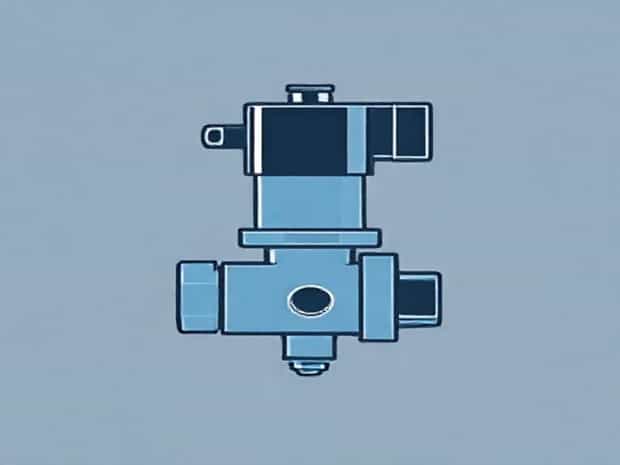
Liquid Line Solenoid Valve
The liquid line solenoid valve is a crucial component in modern refrigeration and air conditioning systems. It plays a vital role in controlling the flow of refrigerant from the condenser to the expansion device, ensuring the system operates efficiently and safely. By regulating the liquid refrigerant, this valve prevents potential damage to the compressor and maintains optimal cooling performance. Understanding how a liquid line solenoid valve functions and its applications can help technicians, engineers, and even end-users appreciate its importance in HVAC systems.
Understanding Liquid Line Solenoid Valves
A liquid line solenoid valve is an electrically operated valve designed to start or stop the flow of liquid refrigerant in a refrigeration or air conditioning system. The term solenoid refers to the coil of wire inside the valve that generates a magnetic field when energized. This magnetic field moves a plunger or core, opening or closing the valve. When the coil is not energized, a spring typically holds the valve in its default state, either open or closed, depending on the design.
Key Components
- CoilConverts electrical energy into a magnetic force to actuate the valve.
- Plunger or CoreMoves inside the valve to allow or block refrigerant flow.
- Valve BodyContains the flow passage and seals to prevent leakage.
- SpringReturns the valve to its default position when power is removed.
How Liquid Line Solenoid Valves Work
Liquid line solenoid valves operate by using electrical signals to control the flow of refrigerant. In normal operation, the system sends an electrical signal to energize the solenoid coil. The resulting magnetic field pulls the plunger away from its seat, allowing liquid refrigerant to flow through the valve. When the signal stops, the coil de-energizes, and the spring pushes the plunger back into place, shutting off the flow. This on-and-off mechanism allows precise control over the refrigerant circulation.
Applications in Refrigeration and Air Conditioning
Liquid line solenoid valves are widely used in various cooling systems to improve efficiency and protect components. Some common applications include
- Refrigerators and FreezersEnsuring proper refrigerant flow during defrost cycles.
- Commercial Air ConditioningControlling refrigerant flow to multiple evaporator units.
- Industrial Cooling SystemsRegulating refrigerant in large-scale HVAC installations.
- Heat PumpsAllowing the system to switch between heating and cooling modes effectively.
Benefits of Using Liquid Line Solenoid Valves
Integrating a liquid line solenoid valve into a refrigeration or air conditioning system provides several advantages
- System ProtectionPrevents liquid refrigerant from flooding the compressor, which can cause damage.
- Energy EfficiencyAllows precise control of refrigerant flow, optimizing cooling performance.
- AutomationWorks seamlessly with electronic controls to manage system operations without manual intervention.
- DurabilityHigh-quality solenoid valves can operate reliably for years, reducing maintenance costs.
Types of Liquid Line Solenoid Valves
There are several types of liquid line solenoid valves, each designed for specific applications and system requirements
- Normally Closed ValvesThese valves remain closed when the coil is de-energized, opening only when powered. They are commonly used in systems where flow must be stopped when the system is off.
- Normally Open ValvesThese valves allow flow when the coil is not energized and close when powered. They are less common but useful in special applications where constant refrigerant flow is needed unless a stop signal is given.
- Direct-Acting ValvesOpen and close using the solenoid’s magnetic force directly, suitable for small capacity systems.
- Pilot-Operated ValvesUse system pressure to assist in opening or closing the valve, ideal for larger systems where higher flow capacity is required.
Installation and Maintenance Considerations
Proper installation and maintenance are crucial to ensure a liquid line solenoid valve functions reliably. Technicians should follow these guidelines
- Install the valve in the correct orientation, following the manufacturer’s flow direction markings.
- Ensure electrical connections are secure and match the system voltage requirements.
- Regularly check for refrigerant leaks around the valve body and connections.
- Keep the valve and surrounding components clean to prevent debris from interfering with operation.
- Test the valve periodically to ensure it opens and closes correctly in response to electrical signals.
Common Issues and Troubleshooting
While liquid line solenoid valves are generally reliable, some common problems can occur
- Valve Stuck ClosedOften caused by debris, corrosion, or loss of coil power. Cleaning or replacing the valve may be necessary.
- Valve Stuck OpenCan result from mechanical failure, spring fatigue, or coil malfunction.
- Electrical ProblemsIncorrect voltage, damaged wiring, or coil burnout can prevent proper operation.
- Refrigerant LeaksSeals or gaskets may deteriorate over time, requiring replacement.
Optimizing System Performance
Using a liquid line solenoid valve correctly can significantly enhance the efficiency and lifespan of HVAC systems. By coordinating with thermostats, sensors, and electronic controllers, the valve ensures the right amount of refrigerant reaches the evaporator. This precise control not only improves energy efficiency but also helps maintain consistent indoor temperatures and reduces wear on the compressor.
Future Developments
Advancements in materials and electronic controls are making liquid line solenoid valves more efficient and durable. Modern designs often include features like low-power coils, corrosion-resistant materials, and integrated sensors for real-time monitoring. These innovations aim to improve system reliability while minimizing energy consumption and maintenance costs, making solenoid valves an essential component in next-generation refrigeration and air conditioning systems.
the liquid line solenoid valve is an indispensable part of refrigeration and air conditioning technology. Its ability to regulate refrigerant flow accurately protects the system, enhances efficiency, and supports automation. Proper selection, installation, and maintenance ensure long-term performance and reliability, making it a critical investment for any cooling system, whether residential, commercial, or industrial.