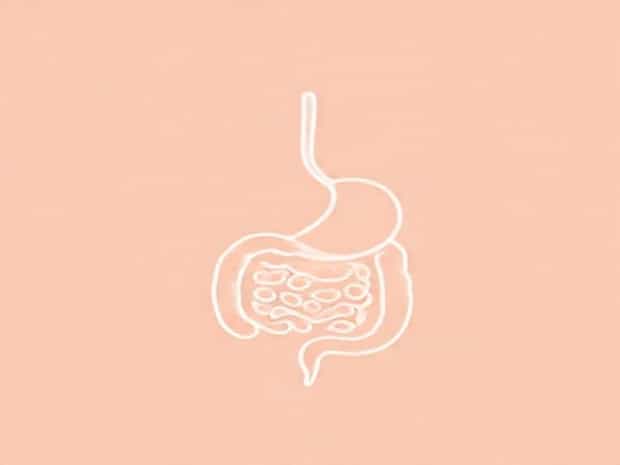
Les Digestions De L’Amidon
The digestion of starch, or les digestions de l’amidon,” is a fundamental process in human nutrition that converts complex carbohydrates into simpler sugars, providing essential energy for bodily functions. Starch, a polysaccharide composed of glucose units, is a primary carbohydrate in many foods such as potatoes, rice, wheat, and corn. Understanding how starch is broken down in the digestive system is critical for nutrition science, diabetes management, and general health awareness. The process involves a series of enzymatic reactions beginning in the mouth and continuing through the small intestine, where starch is ultimately converted into glucose for absorption into the bloodstream. Proper digestion of starch ensures sustained energy release, supports metabolic functions, and maintains blood sugar balance.
The Chemical Structure of Starch
Starch is a carbohydrate made up of two main components amylose and amylopectin. Amylose is a linear polymer of glucose molecules linked by alpha-1,4-glycosidic bonds, while amylopectin is a branched polymer containing both alpha-1,4 and alpha-1,6-glycosidic bonds. The ratio of amylose to amylopectin affects the digestibility of starch, with amylopectin generally being more rapidly digested due to its branched structure. Understanding the chemical composition of starch helps explain variations in digestion rates among different foods and provides insight into designing diets for specific health conditions.
Sources of Starch
- Grains such as rice, wheat, barley, and corn
- Root vegetables including potatoes, yams, and cassava
- Legumes like beans, lentils, and peas
- Processed foods containing starch as a thickening or binding agent
The Digestive Process of Starch
The digestion of starch occurs through a coordinated process involving mechanical breakdown, enzymatic hydrolysis, and absorption. This process begins in the oral cavity, continues through the stomach, and is completed in the small intestine. Each step plays a crucial role in ensuring that starch is effectively converted into glucose, which serves as a primary energy source for the body.
1. Digestion in the Mouth
The digestion of starch begins in the mouth through both mechanical and chemical processes. Chewing breaks down food into smaller ptopics, increasing the surface area for enzymatic action. Saliva, secreted by the salivary glands, contains an enzyme called salivary alpha-amylase. This enzyme begins breaking the alpha-1,4-glycosidic bonds in starch, producing maltose, maltotriose, and small dextrins. The efficiency of salivary amylase depends on factors such as chewing duration, food composition, and individual enzyme activity.
2. Starch Digestion in the Stomach
After being swallowed, the partially digested starch enters the stomach. Here, the acidic environment inactivates salivary alpha-amylase, temporarily halting starch digestion. The stomach’s primary function during this phase is mechanical mixing and churning of the food to form chyme, which prepares it for enzymatic digestion in the small intestine. While no significant chemical breakdown of starch occurs in the stomach, this phase is crucial for ensuring thorough mixing and optimal exposure of starch molecules to digestive enzymes later.
3. Digestion in the Small Intestine
The majority of starch digestion occurs in the small intestine. Pancreatic alpha-amylase, secreted by the pancreas into the duodenum, continues the breakdown of starch into maltose, maltotriose, and dextrins. These intermediate products are further hydrolyzed by brush border enzymes present on the surface of enterocytes. These enzymes include maltase, isomaltase, and sucrase-isomaltase, which convert maltose and maltotriose into glucose. This glucose is then absorbed through the intestinal wall via active transport and facilitated diffusion, entering the bloodstream to provide energy to cells throughout the body.
Factors Affecting Starch Digestion
Several factors influence how efficiently starch is digested, absorbed, and utilized by the body. Understanding these factors is important for managing diet, controlling blood sugar levels, and improving overall digestive health.
Type of Starch
Different types of starch are digested at varying rates. Rapidly digestible starch (RDS) is quickly broken down into glucose, while slowly digestible starch (SDS) provides a more gradual release of glucose. Resistant starch (RS) escapes digestion in the small intestine and reaches the colon, where it acts as a prebiotic, supporting gut microbiota. Foods high in resistant starch, such as cooled potatoes and unripe bananas, can improve digestive health and aid in blood sugar regulation.
Food Processing and Preparation
Cooking, milling, and processing of starchy foods affect their digestibility. Cooking gelatinizes starch, making it more accessible to enzymatic action. On the other hand, cooling gelatinized starch can increase the formation of resistant starch, slowing digestion. Processing techniques such as extrusion or refining can alter starch structure and impact how quickly glucose is released during digestion.
Enzyme Activity and Health Conditions
Individual differences in enzyme activity, such as variations in salivary or pancreatic amylase, can influence starch digestion efficiency. Certain medical conditions, including pancreatic insufficiency or celiac disease, may impair the digestion and absorption of starch, leading to gastrointestinal symptoms or nutrient deficiencies. Maintaining healthy enzyme function through proper nutrition and addressing underlying medical issues is crucial for optimal starch digestion.
Physiological Implications
The digestion of starch has significant implications for human physiology and metabolism. Glucose derived from starch serves as a primary energy source for the brain, muscles, and other tissues. Proper digestion ensures stable blood sugar levels, supports cognitive function, and provides sustained energy throughout the day. Moreover, resistant starch contributes to gut health by promoting the growth of beneficial bacteria and producing short-chain fatty acids, which improve colonic health and may reduce the risk of certain metabolic diseases.
Blood Sugar Regulation
The rate at which starch is digested influences postprandial blood sugar levels. Slowly digestible and resistant starches help prevent rapid spikes in glucose and insulin, which is beneficial for managing diabetes and metabolic syndrome. Incorporating a balance of starch types in the diet supports overall glycemic control and long-term metabolic health.
Les digestions de l’amidon is a complex but essential process that transforms dietary starch into usable glucose, providing energy and supporting vital physiological functions. From enzymatic breakdown in the mouth to absorption in the small intestine, each step of starch digestion plays a critical role in maintaining energy balance, supporting metabolic health, and promoting gut function. Factors such as starch type, food processing, and individual enzyme activity influence the efficiency of this process. Understanding starch digestion not only enhances knowledge of human nutrition but also informs dietary choices that optimize health, regulate blood sugar, and contribute to overall well-being. By appreciating the intricate mechanisms behind starch digestion, individuals can make informed decisions about food selection, preparation, and consumption to support both immediate energy needs and long-term metabolic health.