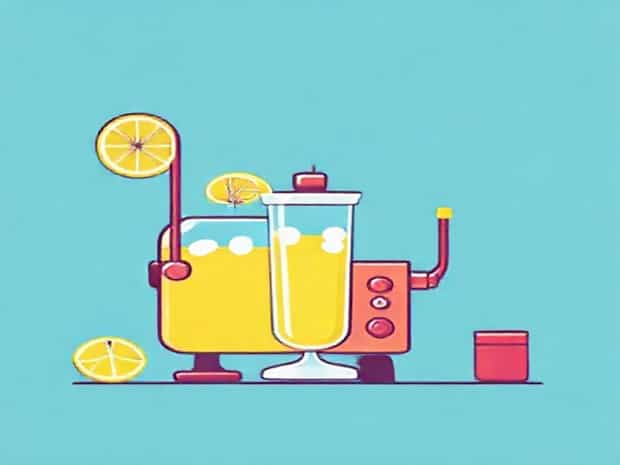
Lemonade Rube Goldberg Machine
Creating a lemonade Rube Goldberg machine is a fascinating blend of science, engineering, creativity, and entertainment. A Rube Goldberg machine is a deliberately over-engineered device that performs a simple task in a complex, chain-reaction manner. In this case, the final goal is to make lemonade, pour it, or perhaps mix it, but the process involves multiple steps, triggers, and mechanisms that interact in unexpected ways. Such machines are popular in educational settings, STEM projects, and science demonstrations because they teach principles of physics, motion, energy transfer, and problem-solving in a hands-on and highly engaging manner.
Understanding the Concept of a Rube Goldberg Machine
Rube Goldberg machines are named after the American cartoonist Rube Goldberg, who illustrated whimsical and complicated devices designed to accomplish everyday tasks. The hallmark of these machines is their use of chain reactions, where one action triggers the next in a sequential flow. Each step may involve levers, pulleys, ramps, dominoes, balloons, marbles, or other materials that transfer motion, energy, or force. In the context of a lemonade-making Rube Goldberg machine, the complexity adds fun and creativity while still achieving the intended outcome of producing lemonade.
Educational Benefits of a Lemonade Rube Goldberg Machine
- Introduces concepts of physics, such as gravity, momentum, energy conservation, and force transfer.
- Encourages problem-solving, critical thinking, and engineering design skills.
- Provides hands-on experience with materials and mechanical systems.
- Promotes teamwork and collaboration if built in groups.
- Engages students and participants in creative and imaginative design processes.
Key Components of a Lemonade Rube Goldberg Machine
Constructing a successful lemonade Rube Goldberg machine involves careful planning and selection of components. These components are the building blocks of the machine and are chosen for their ability to transfer energy, trigger reactions, and accomplish the final task.
Common Components and Materials
- Marbles or BallsUsed to roll down ramps and trigger switches.
- DominoesSet up to topple sequentially and continue the chain reaction.
- Levers and PulleysTransform motion from one direction to another.
- Funnels and RampsGuide moving objects like balls or liquids.
- BalloonsCan provide bursts of air or lift objects when popped or inflated.
- Containers for LemonadeCups, bottles, or pitchers that hold the final beverage.
- Triggers and SwitchesMechanical or simple household items that start subsequent actions.
Designing the Lemonade Rube Goldberg Machine
Designing a lemonade Rube Goldberg machine requires creativity, planning, and a clear understanding of cause-and-effect relationships. The first step is to outline the starting point and the final outcome, which is producing lemonade. The intermediate steps should involve a series of interconnected events that transfer energy from one component to the next.
Steps in the Design Process
- ConceptualizationBrainstorm ideas for each step and how energy will be transferred.
- Sketching the LayoutDraw a blueprint of the machine, mapping each component’s placement.
- Selecting MaterialsChoose objects that will reliably trigger the next step in the chain reaction.
- Testing Individual ComponentsEnsure each mechanism works independently before linking them together.
- Integrating the StepsConnect all actions into a continuous chain, adjusting timing and alignment.
Example Sequence for a Lemonade Machine
One possible sequence for a lemonade Rube Goldberg machine could begin with a ball rolling down a ramp, knocking over dominoes that release a lever. The lever could lift a cup filled with lemonade concentrate into position, tipping it into a pitcher. A balloon might pop as the lever moves, triggering a string that pulls a spoon to stir the mixture. Finally, the mixture could flow down a small channel or ramp into a glass, ready to serve.
Challenges in Construction
- Timing and synchronization of events to ensure the chain reaction flows smoothly.
- Maintaining balance and stability of ramps, levers, and other components.
- Dealing with variations in material friction, weight, and surface texture.
- Minimizing errors or unintended interruptions in the sequence.
- Ensuring the final action reliably produces the lemonade as intended.
Practical Tips for Success
Building a lemonade Rube Goldberg machine requires patience, experimentation, and creativity. The following tips can help ensure the machine functions effectively
Tips and Recommendations
- Use lightweight materials for ramps and moving objects to reduce friction and improve motion.
- Test each component multiple times before combining them into the full sequence.
- Allow some flexibility in connections to adjust timing and prevent jams.
- Document the design with photos or diagrams for troubleshooting and replication.
- Start simple and gradually add complexity to avoid overcomplicating the machine initially.
Applications and Learning Opportunities
Lemonade Rube Goldberg machines are more than just entertaining projects; they serve as educational tools in physics, engineering, and creative thinking. They provide students with a tangible understanding of kinetic energy, gravity, force, and mechanical advantage. Teachers and facilitators can use these machines to demonstrate scientific principles in a fun and memorable way. Additionally, they encourage innovation, problem-solving, and collaboration among participants.
Engagement and Motivation
Such projects motivate students and hobbyists to explore scientific concepts in an interactive environment. They promote curiosity, persistence, and hands-on learning, reinforcing theoretical knowledge with practical application. The whimsical nature of a Rube Goldberg machine adds excitement, making learning enjoyable while demonstrating real-world principles.
The lemonade Rube Goldberg machine is an imaginative and instructive project that combines creativity, physics, and engineering principles to accomplish a simple task through a complex chain reaction. By carefully selecting components, designing a functional sequence, and testing mechanisms, builders can create a machine that not only produces lemonade but also teaches important scientific concepts. The process involves problem-solving, teamwork, and iterative experimentation, making it ideal for educational settings, STEM activities, and personal projects. Ultimately, the lemonade Rube Goldberg machine exemplifies the joy of blending science and creativity to achieve a goal in a playful, hands-on manner.