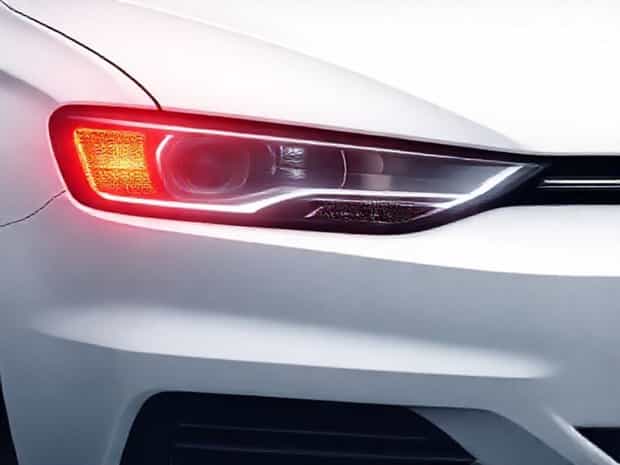
Left Headlight And Taillight Not Working
Experiencing a situation where your vehicle’s left headlight and taillight are not working can be frustrating and potentially dangerous. Proper lighting is essential for safe driving, especially at night or during poor weather conditions. When one side of your vehicle’s lights fail, it not only reduces visibility but can also lead to accidents or traffic violations. Understanding the possible causes and solutions for this issue is crucial for every vehicle owner, whether you drive a car, truck, or SUV. Identifying the problem early ensures you remain safe on the road and avoid costly repairs in the future.
Common Causes of Left Headlight and Taillight Failure
Burnt Out Bulbs
The most frequent reason for a left headlight or taillight not working is a burnt-out bulb. Over time, bulbs degrade and eventually fail due to prolonged usage. Replacing the bulb is typically straightforward and inexpensive, making this the first thing to check when diagnosing light issues.
Blown Fuses
Vehicles are equipped with fuses that protect electrical circuits. A blown fuse can prevent the left headlight or taillight from functioning properly. Checking the fuse box for any blown fuses and replacing them with the correct type can often solve the problem.
Faulty Wiring or Connectors
Damaged wiring or loose connectors can disrupt the electrical flow to your vehicle’s lights. Corrosion, wear and tear, or accidental damage may lead to one side of your lights failing. Inspecting the wiring harness and connectors for visible damage or corrosion is essential in diagnosing the issue.
Malfunctioning Light Switch or Relay
The light switch or relay controls the flow of electricity to your headlights and taillights. If the switch is worn out or the relay is faulty, it can result in only one side of the lights not working. Replacing a faulty relay or switch usually restores proper functionality.
Step-by-Step Troubleshooting
Check the Bulbs
- Turn off the vehicle and remove the headlight and taillight bulbs from the left side.
- Inspect the filament inside the bulbs for any signs of burning or breakage.
- Replace any burnt-out bulbs with new ones of the same type and wattage.
Inspect the Fuses
- Locate your vehicle’s fuse box, usually found under the dashboard or in the engine compartment.
- Refer to the fuse diagram to identify the specific fuses for the left headlight and taillight.
- Check if the fuses are blown and replace them with fuses of the same rating if necessary.
Examine the Wiring and Connectors
- Check the wiring running to the left side lights for signs of fraying, cuts, or corrosion.
- Ensure all connectors are firmly attached and free of rust or debris.
- Repair or replace any damaged wiring using appropriate electrical tools and connectors.
Test the Light Switch and Relays
- Turn the light switch on and off to see if the lights respond intermittently.
- If there is no change, use a multimeter to test the relay for continuity.
- Replace faulty switches or relays as recommended by your vehicle’s manual.
Preventive Measures
Regular Inspection
Conducting routine inspections of your vehicle’s lights helps prevent unexpected failures. Checking the headlight and taillight bulbs, fuses, and wiring every few months ensures everything is in proper working order.
Keep Electrical Contacts Clean
Corrosion at electrical connectors can lead to light failures. Periodically cleaning the connectors and applying dielectric grease can maintain a strong electrical connection and prolong the lifespan of your lights.
Upgrade to Quality Bulbs
Using high-quality LED or halogen bulbs can reduce the likelihood of sudden burnout. Investing in reliable bulbs may have a higher upfront cost but provides long-term benefits, including better visibility and longer service life.
Protect Wiring from Moisture
Exposure to moisture can damage wiring and lead to short circuits. Ensure your vehicle’s light housings are properly sealed and check for leaks that may allow water to enter.
When to Seek Professional Help
Persistent Electrical Issues
If after replacing bulbs and fuses the left headlight and taillight still do not work, it could indicate a deeper electrical problem. Professional mechanics have specialized diagnostic tools to trace complex wiring issues that may not be visible to the average vehicle owner.
Frequent Light Failures
Repeated failures of lights on one side of your vehicle may suggest a recurring problem with the wiring harness or grounding issues. A qualified auto electrician can provide a permanent solution and ensure your vehicle’s lighting system is safe and reliable.
Safety Concerns
Driving with non-functional lights, especially at night or in bad weather, can put you and other road users at risk. If you are unsure about the cause of the problem, it is safer to consult a professional immediately rather than risk an accident.
Left headlight and taillight failures are common but potentially serious issues that every vehicle owner should know how to address. From burnt-out bulbs and blown fuses to wiring problems and faulty switches, the causes can range from simple to complex. Regular maintenance, proper inspections, and timely repairs not only keep your vehicle safe but also prevent costly damage in the long run. By following proper troubleshooting steps and knowing when to seek professional help, you can ensure that your vehicle’s lighting system functions reliably and provides maximum safety on the road.