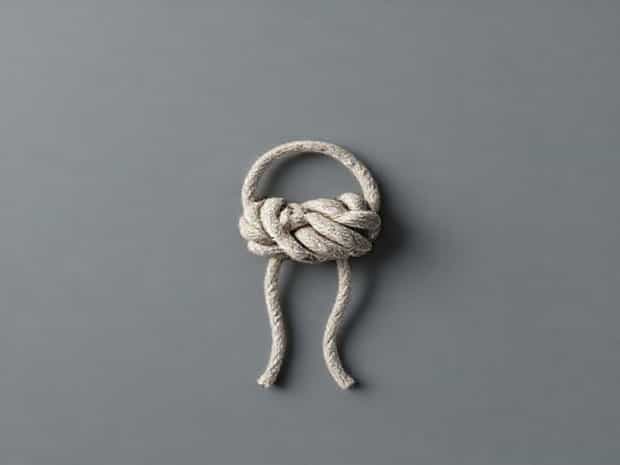
Leader To Tippet Knot
Every fly angler eventually faces the challenge of connecting a leader to a tippet, and the key to success lies in mastering the right knot. A solid leader to tippet knot ensures strength, smooth casting, and a natural presentation of the fly. Without a reliable connection, even the most experienced fisherman can lose fish to breakage or poor turnover. Because fly fishing involves delicate gear and thin lines, choosing the proper knot and tying it correctly is one of the most important skills you can learn. Understanding the different knot options, their uses, and how to tie them will make your time on the water much more effective and enjoyable.
Why the Leader to Tippet Knot Matters
When fly fishing, the leader tapers down from the heavier fly line to the thinner end where the tippet is attached. The tippet is the final, nearly invisible section of line that connects to the fly. Because tippet material is often lighter and thinner than the leader, the knot between them must be secure, yet small enough to pass smoothly through guides and water. A strong leader to tippet knot ensures the fly turns over correctly during casting, prevents weak points in your setup, and provides confidence when fighting a fish.
Qualities of a Good Leader to Tippet Knot
Not all knots perform equally, and fly anglers often experiment until they find their preferred method. Still, the most effective knots share some important characteristics
- StrengthThe knot must retain as much of the line’s breaking strength as possible.
- Low ProfileA compact knot passes through rod guides and water smoothly, avoiding drag.
- Ease of TyingKnots should be practical to tie in real fishing conditions, even with cold hands.
- ReliabilityThe knot should hold under tension without slipping or unraveling.
Popular Leader to Tippet Knots
Several knots have become widely used for connecting leader to tippet. Each has advantages depending on fishing style, line diameter, and angler preference. Learning more than one knot gives you flexibility in different situations.
Double Surgeon’s Knot
The Double Surgeon’s Knot is one of the most popular choices because it is simple and effective. It is particularly useful when connecting lines of different diameters, making it ideal for attaching tippet to leader.
- Overlap the leader and tippet for several inches.
- Tie an overhand knot with both lines together.
- Pass the tippet and leader through the loop a second time.
- Moisten and tighten the knot by pulling all ends evenly.
This knot is quick to tie on the water, holds strong, and works well in many fishing conditions.
Blood Knot
The Blood Knot is a traditional fly fishing knot that creates a slim, symmetrical connection. It is excellent for joining lines of similar diameter, though it can be trickier to master than the Surgeon’s Knot.
- Overlap the leader and tippet for about six inches.
- Wrap the leader around the tippet five to seven times, then pass it through the center.
- Repeat with the tippet around the leader in the opposite direction.
- Moisten and pull tight to lock the knot in place.
Although it takes practice, many anglers prefer the Blood Knot for its strength and streamlined design.
Triple Surgeon’s Knot
Similar to the Double Surgeon’s, the Triple Surgeon’s Knot adds one extra pass through the loop. This makes it even stronger, especially when working with lines of different diameters. It’s a great alternative when targeting larger fish that require extra security in the knot.
Uni-to-Uni Knot
The Uni-to-Uni Knot, also called the Double Uni Knot, is versatile and easy to tie. It works well with both monofilament and fluorocarbon, and can connect lines of slightly different thicknesses.
- Overlap the leader and tippet ends.
- Tie a Uni Knot with the leader around the tippet.
- Tie another Uni Knot with the tippet around the leader.
- Slide the knots together and tighten.
This knot creates a strong connection with a neat profile, making it a reliable option for many anglers.
Step-by-Step Tips for Tying Knots
Tying knots can be challenging on the water, especially in windy or low-light conditions. A few practical tips can help improve your efficiency and knot strength
- Always moisten the knot before tightening to reduce friction and heat damage.
- Pull slowly and evenly on all ends to ensure the knot seats properly.
- Trim tag ends neatly but leave a small amount to prevent slippage.
- Practice at home with larger lines until you are comfortable tying them quickly.
Choosing the Right Knot for the Situation
Different fishing conditions may call for different knots. For example, if you are fishing with very light tippet, the Surgeon’s Knot is easier to tie and holds better with thin material. If you are targeting stronger fish and want a sleek connection, the Blood Knot may be the better option. Fluorocarbon and monofilament lines may also behave differently, so experimenting with both materials helps you find the most reliable connection.
Common Mistakes to Avoid
Even experienced anglers sometimes make mistakes when tying knots. Knowing what to avoid can save frustration and lost fish
- Rushing the knotIncomplete wraps or uneven tightening can cause weak spots.
- Skipping lubricationFailing to moisten the knot leads to heat damage and reduced strength.
- Cutting too closeTrimming tag ends too short may cause the knot to unravel.
- Using the wrong knotSome knots perform poorly with large differences in line diameter.
Leader and Tippet Materials
The type of material you use can influence knot performance. Monofilament is softer and more forgiving, making knots easier to tie. Fluorocarbon is denser, nearly invisible underwater, and more abrasion resistant, but knots may slip more easily if not tied correctly. Understanding the properties of your leader and tippet helps in choosing the right knot and tying it securely.
Practice and Mastery
Just like casting or reading water, knot tying is a skill that improves with practice. Many anglers spend time at home tying knots until they can do them by feel. This preparation pays off on the water, where conditions can make tying more difficult. Confidence in your leader to tippet knot allows you to focus on presentation and strategy rather than worrying about equipment failure.
A reliable leader to tippet knot is one of the most important details in successful fly fishing. Whether you prefer the Surgeon’s Knot for its simplicity, the Blood Knot for its strength, or the Uni-to-Uni Knot for versatility, the key is tying it well and matching it to the situation. Strong knots give you confidence when casting delicate flies, setting the hook, and fighting fish. With consistent practice and attention to detail, mastering leader to tippet knots will make your fly fishing more effective and enjoyable for years to come.