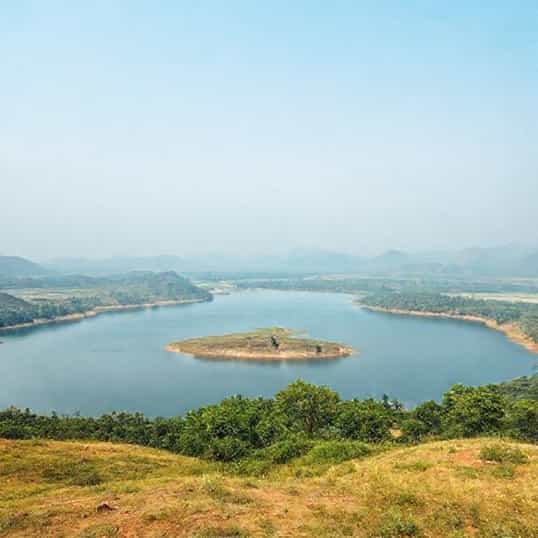
Largest Freshwater Oxbow Lake In India
India is home to a diverse range of freshwater lakes, each with unique geographical and ecological characteristics. Among these, oxbow lakes hold a special place due to their distinct horseshoe-shaped formation created by the natural meandering of rivers. The largest freshwater oxbow lake in India is Deepor Beel, located in the northeastern state of Assam. This lake is not only significant for its size but also for its ecological importance, supporting a rich diversity of flora and fauna. Understanding Deepor Beel’s origin, biodiversity, and role in local culture provides insight into the significance of oxbow lakes in India.
Geographical Location of Deepor Beel
Deepor Beel is situated in the southwestern part of Guwahati, the largest city in Assam. It lies on the southern bank of the Brahmaputra River and covers an area of approximately 4.14 square kilometers, though this can vary seasonally due to rainfall and river activity. The lake is a wetland of national importance and is designated as a Ramsar site, emphasizing its international ecological significance. Its location near urban areas makes it an important resource for local communities and a critical habitat for wildlife.
Formation of Oxbow Lakes
Oxbow lakes like Deepor Beel are formed from the meandering of rivers. Over time, a river creates large bends or loops in its course due to erosion on the outer banks and deposition on the inner banks. Eventually, the river may cut through the narrow neck of a loop during high flow or flooding, creating a separate, curved water body. This process leaves behind a crescent-shaped lake, isolated from the main river channel. Deepor Beel is a classic example of such a formation, demonstrating the natural geomorphological processes at work in riverine systems.
Ecological Importance
Deepor Beel is a biodiversity hotspot and provides critical habitat for many species of birds, fish, and plants. It is especially important as a wintering ground for migratory birds such as the spot-billed pelican, lesser whistling duck, and various species of herons and storks. The lake also supports aquatic vegetation like water lilies and reeds, which help maintain water quality and provide shelter for fish and amphibians. Conservation of this oxbow lake is crucial for sustaining the ecological balance and protecting endangered species in the region.
Wildlife and Bird Watching
The lake attracts birdwatchers and researchers from across the country due to its rich avian diversity. During the winter months, thousands of migratory birds visit Deepor Beel, making it one of the most important bird habitats in northeastern India. Local fishermen also rely on the lake for livelihood, as it is home to several species of freshwater fish. The coexistence of wildlife, fisheries, and human communities highlights the multifunctional role of this oxbow lake in Assam.
Cultural and Economic Significance
Deepor Beel is not just ecologically important; it also has cultural and economic value. Local communities have historically depended on the lake for fishing, reed collection, and small-scale agriculture along its banks. It also serves as a site for educational and recreational activities, including ecotourism, birdwatching tours, and environmental awareness programs. The lake’s proximity to Guwahati city enhances its accessibility, making it a popular destination for both researchers and tourists.
Conservation Efforts
Given its ecological significance, several conservation initiatives have been undertaken to protect Deepor Beel. The lake is protected under the Assam Wetland Rules and has been recognized as a Ramsar site, highlighting its international importance. Conservation strategies focus on preventing pollution, controlling encroachment, and maintaining water levels to support biodiversity. Local NGOs, government agencies, and academic institutions collaborate to monitor wildlife, educate communities, and promote sustainable use of the lake’s resources.
Challenges Facing Deepor Beel
Despite its importance, Deepor Beel faces several environmental challenges. Urbanization, industrial effluents, and illegal encroachment threaten its water quality and habitat integrity. Seasonal flooding and sedimentation can alter the lake’s shape and reduce its depth, affecting both wildlife and fisheries. Invasive plant species also pose a risk by altering native vegetation patterns. Addressing these challenges requires coordinated management, environmental education, and enforcement of regulations to ensure the lake’s long-term sustainability.
Tourism and Educational Value
Deepor Beel offers significant opportunities for ecotourism and education. Birdwatchers, photographers, and nature enthusiasts visit the lake to observe its rich wildlife and scenic beauty. Educational institutions conduct field trips to study its unique ecosystem, the formation of oxbow lakes, and the interactions between humans and the environment. Promoting responsible tourism and research can help generate awareness about conservation while supporting the local economy.
Interesting Facts About Deepor Beel
- Deepor Beel is the largest freshwater oxbow lake in India, located in Assam.
- The lake covers around 4.14 square kilometers, although its size fluctuates seasonally.
- It was designated as a Ramsar site in 2002 due to its international ecological importance.
- Deepor Beel serves as a wintering ground for thousands of migratory birds each year.
- The lake supports local livelihoods through fishing and reed collection.
- Conservation efforts focus on preventing pollution, controlling encroachment, and preserving biodiversity.
- Deepor Beel provides valuable educational and recreational opportunities for both researchers and tourists.
Deepor Beel, the largest freshwater oxbow lake in India, is a remarkable example of how natural processes shape unique landscapes while supporting diverse ecosystems. Its horseshoe-shaped formation, rich biodiversity, and proximity to Guwahati city make it ecologically, culturally, and economically significant. Despite challenges such as pollution, urbanization, and invasive species, concerted conservation efforts aim to protect this vital wetland. Understanding the importance of Deepor Beel highlights the value of oxbow lakes in India, demonstrating their role in ecological balance, community livelihoods, and environmental education. Preserving this lake ensures that it continues to serve as a haven for wildlife, a source of local livelihood, and a natural treasure for generations to come.