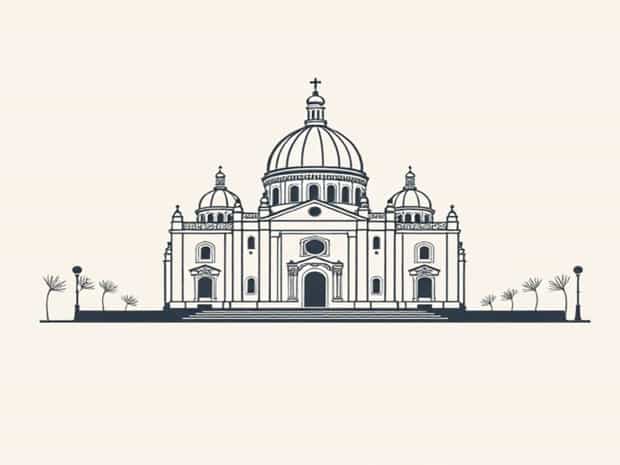
La Basilica Sacre Coeur
La Basilica Sacré-CÅur, perched atop the Montmartre hill in Paris, is one of the city’s most iconic landmarks and a symbol of spiritual devotion, architectural beauty, and historical significance. This stunning basilica attracts millions of visitors every year, offering breathtaking views of Paris, remarkable art and mosaics, and a sense of serenity in the bustling city. Built as a monument of faith and resilience, Sacré-CÅur combines Romanesque and Byzantine architectural styles, creating a visually striking structure that inspires awe and admiration. Beyond its architectural grandeur, the basilica holds deep cultural and religious significance, making it an essential destination for travelers, art lovers, and those seeking spiritual reflection.
Historical Background
Origins and Construction
The construction of La Basilica Sacré-CÅur began in 1875 and was completed in 1914, though it was consecrated after World War I in 1919. The basilica was built as a symbol of national penance and religious devotion following the Franco-Prussian War and the Paris Commune. Its purpose was to honor the Sacred Heart of Jesus and serve as a spiritual center for the people of Paris. The idea of constructing Sacré-CÅur was proposed by Alexandre Legentil and Hubert Rohault de Fleury, who saw the need for a religious monument that could inspire unity and hope during turbulent times.
Architectural Significance
The basilica’s design was crafted by architect Paul Abadie, who combined Romanesque and Byzantine elements to create a unique and timeless structure. Its white travertine stone, sourced from Château-Landon, gives the basilica its luminous appearance and ensures resistance to weathering. The prominent dome, bell tower, and multiple chapels reflect both grandeur and attention to detail, making Sacré-CÅur an architectural marvel. The basilica’s interior is equally impressive, with intricate mosaics, stained glass, and ornate ceilings that convey religious symbolism and artistic mastery.
Architectural Features
Exterior Design
The basilica’s exterior is dominated by its gleaming white façade, large central dome, and smaller surrounding domes. The bell tower, known as the Campanile, houses the Savoyarde, one of the world’s heaviest bells, weighing over 19 tons. The wide staircases leading up to the basilica provide panoramic views of Paris and create a grand approach for visitors. The use of travertine stone not only gives the basilica its iconic white color but also allows it to maintain a clean and radiant appearance over decades.
Interior Design
Inside La Basilica Sacré-CÅur, visitors are greeted with a peaceful and inspiring atmosphere. The central mosaic, titled Christ in Majesty, is one of the largest in the world and depicts Jesus with outstretched arms, surrounded by saints and symbolic figures. The basilica also contains chapels dedicated to various saints, each adorned with intricate artwork, sculptures, and stained glass windows. The marble floors, detailed columns, and vaulted ceilings add to the sense of grandeur and reverence.
The Dome and Views
Visitors can climb to the top of the dome for a panoramic view of Paris, stretching as far as the Eiffel Tower and the Seine River. The climb involves a series of narrow staircases, but the breathtaking vista makes the effort worthwhile. The elevated position of Montmartre hill, combined with the basilica’s height, ensures one of the most spectacular viewpoints in the city, attracting photographers and sightseers alike.
Religious and Cultural Significance
Spiritual Center
La Basilica Sacré-CÅur remains an active place of worship, hosting daily masses, confessions, and religious ceremonies. Pilgrims and visitors come to the basilica not only to admire its beauty but also to seek spiritual solace, pray, or participate in communal worship. The basilica embodies the devotion to the Sacred Heart of Jesus, symbolizing love, compassion, and forgiveness.
Cultural Influence
Montmartre, the neighborhood surrounding Sacré-CÅur, has long been a hub for artists, writers, and performers. The basilica’s presence enhances the cultural richness of the area, drawing both locals and tourists. Many artists have been inspired by its architecture and the sweeping views it offers, making it a subject of paintings, photography, and literature. Sacré-CÅur also hosts occasional concerts and musical events, blending spiritual and artistic experiences.
Visiting La Basilica Sacré-CÅur
Opening Hours and Access
The basilica is open daily to visitors, usually from early morning until late evening, allowing tourists to explore both the interior and exterior. Entry to the main basilica is free, though access to the dome and tower requires a ticket. Visitors can reach Sacré-CÅur by walking up the Montmartre hill, using funiculars, or public transportation, making it accessible for all.
Things to Do
- Explore the interior chapels and admire the intricate mosaics and stained glass windows.
- Climb the dome for panoramic views of Paris and capture memorable photographs.
- Visit the bell tower to see the massive Savoyarde bell up close.
- Enjoy the surrounding Montmartre area, including street art, cafés, and local shops.
- Attend a mass or musical event to experience the spiritual ambiance of the basilica.
Tips for Visitors
Visiting during early morning or late afternoon can help avoid crowds and allow for a more serene experience. Comfortable footwear is recommended for climbing the dome and exploring the hill. Bringing a camera or smartphone is essential for capturing the stunning views and architectural details. Additionally, respecting the sacred nature of the basilica is important, including maintaining quiet during prayers and religious ceremonies.
Events and Celebrations
Religious Festivals
La Basilica Sacré-CÅur hosts several important religious events, including Christmas, Easter, and the Feast of the Sacred Heart. These celebrations draw large crowds, with special masses, decorations, and musical performances adding to the spiritual experience. Pilgrims from around the world visit during these occasions to partake in the ceremonies.
Cultural Activities
Occasional art exhibitions, choir performances, and musical concerts take place within or around the basilica. These events highlight the connection between faith and culture, offering visitors an opportunity to enjoy artistic expressions in a sacred setting. The combination of spirituality, history, and culture makes Sacré-CÅur a vibrant center of Parisian life.
La Basilica Sacré-CÅur is more than just an architectural marvel; it is a symbol of faith, resilience, and cultural richness. From its striking white façade and grand dome to the intricate mosaics and spiritual atmosphere within, the basilica offers a unique experience for every visitor. Its location atop Montmartre hill provides unparalleled views of Paris, while the surrounding artistic neighborhood adds to its charm. Whether visiting for religious reflection, architectural appreciation, or cultural exploration, Sacré-CÅur remains an essential destination in the heart of Paris. The combination of history, artistry, and spiritual significance ensures that La Basilica Sacré-CÅur continues to inspire awe and admiration for generations to come.