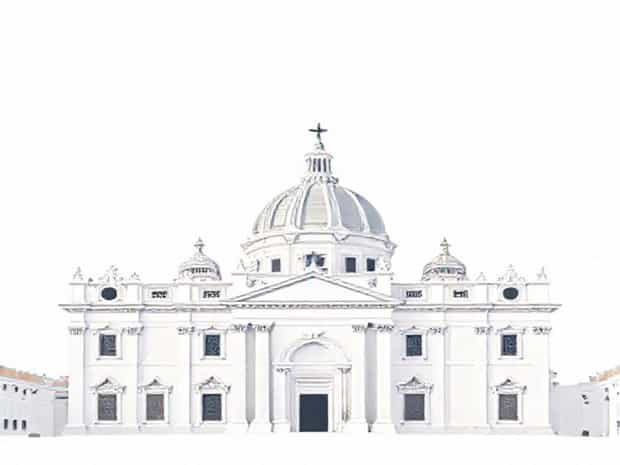
La Basilica Di San Pietro
La Basilica di San Pietro, also known as St. Peter’s Basilica, is one of the most iconic landmarks in the world, located in Vatican City. It stands as a symbol of religious devotion, architectural mastery, and cultural heritage. This monumental basilica has inspired countless artists, architects, and pilgrims for centuries. Visiting St. Peter’s Basilica offers not only a spiritual experience but also an opportunity to witness the grandeur of Renaissance and Baroque architecture. The basilica’s history, intricate design, and artistic treasures make it a focal point of Catholicism and a major attraction for tourists from around the globe.
Historical Background
St. Peter’s Basilica was built over the site believed to be the burial place of Saint Peter, one of Jesus Christ’s apostles and the first pope. The original basilica, constructed by Emperor Constantine in the 4th century, served as an important center for Christian worship. Over the centuries, the need for a larger and more impressive structure led to the construction of the current basilica, which began in 1506 under Pope Julius II and was completed in 1626 under Pope Urban VIII. Its construction involved some of the greatest architects and artists of the time, making it a masterpiece of religious and architectural significance.
Architectural Design
The design of St. Peter’s Basilica represents a fusion of Renaissance and Baroque styles. The basilica was influenced by architects such as Donato Bramante, Michelangelo, Carlo Maderno, and Gian Lorenzo Bernini. Bramante introduced the original plan for a Greek cross layout, which emphasized symmetry and proportion. Michelangelo later took over the project and designed the famous dome, which remains one of the largest in the world. Maderno extended the nave to create a Latin cross plan, while Bernini designed the magnificent St. Peter’s Square and the grand colonnade that welcomes visitors.
The Dome of St. Peter
The dome of St. Peter’s Basilica is an engineering marvel and a central feature of the Vatican skyline. Standing at approximately 136 meters (446 feet) tall, it dominates the surrounding cityscape and can be seen from many points in Rome. The dome was inspired by the Pantheon and Florence Cathedral and features intricate mosaics, decorative coffers, and stunning frescoes. Visitors can climb to the top of the dome to enjoy panoramic views of Vatican City and the city of Rome.
Interior Highlights
The interior of St. Peter’s Basilica is as breathtaking as its exterior. It contains numerous chapels, statues, altars, and artworks that reflect the rich history and spiritual significance of the site. One of the most notable pieces is Michelangelo’s Pietà, a marble sculpture depicting the Virgin Mary holding the body of Jesus Christ. The basilica also houses the Chair of Saint Peter, a symbol of papal authority, designed by Bernini and surrounded by dramatic sculptures and intricate detailing.
Main Altar and Papal Ceremonies
The main altar of St. Peter’s Basilica is located directly above the tomb of Saint Peter, emphasizing its spiritual importance. The altar is used for significant papal ceremonies, including canonizations, masses, and other liturgical events. The grandeur of the altar, combined with the architectural brilliance of the surrounding nave and dome, creates a sense of awe for worshippers and visitors alike.
Art and Decoration
The basilica is adorned with incredible artistic works from some of the greatest Renaissance and Baroque artists. Marble floors, gilded ceilings, detailed frescoes, and sculptural masterpieces fill the vast interior. Visitors can explore chapels dedicated to saints, intricate mosaics that depict biblical scenes, and richly decorated niches that showcase religious iconography. Every element of the basilica has been designed to inspire devotion and admiration for the divine.
St. Peter’s Square
In front of the basilica lies St. Peter’s Square, a grand piazza designed by Bernini to accommodate thousands of pilgrims. The square is surrounded by a sweeping colonnade that symbolizes the arms of the church embracing visitors. At its center stands an ancient Egyptian obelisk, flanked by two fountains that add to the grandeur and symmetry of the space. The square plays a central role during papal addresses, Easter celebrations, and other major religious events.
Papal Audiences
St. Peter’s Square is also the location where the Pope addresses the public, offering blessings and sermons to thousands of pilgrims. These gatherings highlight the basilica’s ongoing significance as a living center of worship and community for Catholics around the world. The design of the square ensures clear visibility and accessibility, making it a welcoming space for worshippers and tourists alike.
Visiting St. Peter’s Basilica
Visiting La Basilica di San Pietro offers an unforgettable experience for both religious pilgrims and tourists. Visitors can explore the basilica’s interior, climb the dome for panoramic views, and stroll through St. Peter’s Square to appreciate the scale and beauty of Bernini’s design. Guided tours provide historical context, explain the significance of the artworks, and highlight the architectural innovations that make the basilica a marvel of human creativity.
Practical Information
The basilica is open to the public every day, and entry is free, though there may be lines for security checks. Modest dress is required to respect the sacred nature of the site. Visitors are encouraged to allocate several hours to explore fully, as the basilica and its surrounding square offer countless artistic, historical, and spiritual treasures. Nearby museums and Vatican landmarks further enrich the visit, providing a comprehensive view of Vatican City’s cultural heritage.
Legacy and Cultural Impact
La Basilica di San Pietro is more than just an architectural masterpiece; it represents centuries of faith, artistic achievement, and human ingenuity. It has influenced countless churches, cathedrals, and public buildings around the world, setting standards for monumental design and grandeur. Its presence in Vatican City underscores the significance of the Catholic Church and its historical role in shaping art, architecture, and culture across Europe and beyond.
Global Recognition
St. Peter’s Basilica is recognized worldwide as a symbol of religious devotion and artistic excellence. It attracts millions of visitors each year and continues to be a site of pilgrimage, worship, and inspiration. Its architectural and artistic achievements are studied by scholars and admired by tourists, making it a central landmark not only for Vatican City but for the entire world.
La Basilica di San Pietro remains a monumental testament to faith, architecture, and human creativity. From its historical roots to its artistic treasures and architectural innovations, the basilica embodies centuries of cultural and spiritual significance. Visitors and worshippers alike are inspired by its grandeur, intricate details, and profound symbolism. As both a religious sanctuary and an architectural masterpiece, St. Peter’s Basilica continues to captivate and influence people from around the globe, solidifying its place as one of the most remarkable buildings in human history.