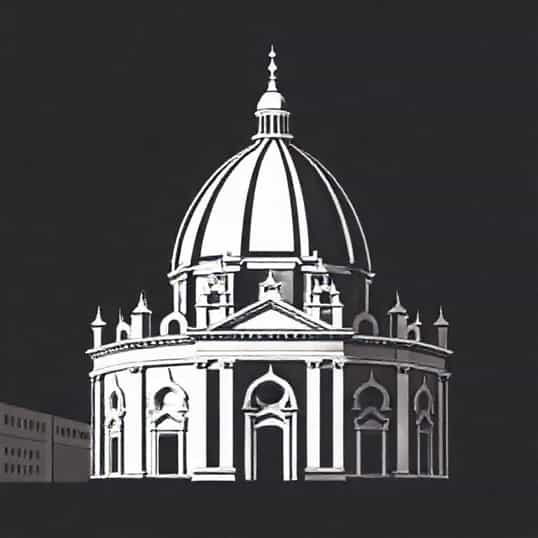
Kuppel Von Brunelleschi Im Duomo
The Kuppel von Brunelleschi in the Duomo of Florence stands as one of the most remarkable achievements of Renaissance architecture. This extraordinary dome, crowning the Cathedral of Santa Maria del Fiore, combines engineering brilliance with artistic grandeur, symbolizing the ingenuity and ambition of 15th-century Florence. Designed by Filippo Brunelleschi, it not only transformed the skyline of Florence but also set new standards in architectural innovation. Visitors from around the world are drawn to the dome, marveling at its size, the elegance of its design, and the technical mastery required to complete such an ambitious project.
Historical Context
Florence in the Early Renaissance
During the early 15th century, Florence was a thriving hub of commerce, culture, and intellectual activity. The city sought to reflect its prosperity and civic pride through monumental architecture, and the completion of the cathedral’s dome became a symbol of Florentine identity. Prior to Brunelleschi’s intervention, the cathedral had remained unfinished for decades, as architects struggled with the challenge of spanning a massive octagonal space without traditional wooden centering. The commission of the dome reflected both the city’s ambition and its willingness to embrace innovation.
Commissioning of Brunelleschi
Filippo Brunelleschi, initially trained as a goldsmith and sculptor, brought a unique perspective to architecture. In 1418, a competition was held to find a solution for the cathedral’s long-standing architectural problem. Brunelleschi’s radical design proposed a self-supporting dome constructed without extensive scaffolding, a method unprecedented at the time. His approach combined careful observation of classical Roman engineering with inventive techniques that had never been applied on such a scale.
Architectural Features
Double-Shell Structure
One of the defining features of the Kuppel von Brunelleschi is its double-shell construction. The dome consists of an inner shell, which provides structural support, and an outer shell, which creates the external appearance and protects the inner structure from the elements. The two shells are connected by a series of horizontal and vertical ribs that help distribute weight evenly. This design not only reduced the overall mass of the dome but also allowed it to rise to an unprecedented height without collapsing under its own weight.
Innovative Engineering Techniques
Brunelleschi developed several groundbreaking techniques to make the construction of the dome possible. He used herringbone brickwork patterns to prevent the masonry from sliding inward during construction. He also designed a system of scaffolding and hoists that allowed workers to transport heavy materials to great heights efficiently. The precision of these techniques, combined with his understanding of geometry and physics, enabled the dome to be completed in 1436, remarkably without the use of extensive temporary support structures.
Exterior and Interior Design
The exterior of the dome is crowned with a lantern, also designed by Brunelleschi, which adds both aesthetic elegance and structural stability. The octagonal shape of the base harmonizes with the cathedral’s existing Gothic architecture while also creating a striking visual effect. Inside, the dome’s interior walls feature intricate frescoes by Giorgio Vasari and Federico Zuccari, depicting the Last Judgment. The combination of structural ingenuity and artistic decoration makes the Kuppel von Brunelleschi a masterpiece of both engineering and art.
Cultural and Religious Significance
Symbol of Florentine Ambition
The dome represents more than an architectural achievement; it embodies the spirit of Renaissance Florence. Its completion demonstrated the city’s ability to combine innovation with tradition, asserting its status as a center of culture and intellect. The Kuppel von Brunelleschi became a source of civic pride and a symbol of Florence’s resilience, ambition, and dedication to excellence. Generations of Florentines have looked upon the dome as a defining feature of their city and a testament to human ingenuity.
Religious Importance
As the crowning feature of the Cathedral of Santa Maria del Fiore, the dome also holds profound religious significance. It serves as a visual representation of the heavens above the sacred space, inspiring awe and reverence in worshippers. The design of the dome elevates the spiritual atmosphere of the cathedral, connecting the congregation with both architectural brilliance and divine inspiration. Pilgrims and visitors alike experience a sense of transcendence when gazing upward at the immense interior vault.
Construction Challenges
Overcoming Structural Limitations
Building a dome of such size presented numerous challenges. Traditional Gothic techniques were inadequate for spanning the cathedral’s wide octagonal nave. Brunelleschi had to calculate precise angles and implement a unique system of ribs and rings to ensure stability. The herringbone brick pattern, which locks the bricks into place, prevented collapse during construction. These innovations allowed the dome to rise higher than any structure of its kind in Europe at the time.
Logistical Innovations
Transporting materials to the dome’s summit required creative solutions. Brunelleschi designed custom hoisting machines and pulley systems that could lift heavy stone and brick with minimal manpower. The combination of ingenuity and practical engineering allowed the project to progress efficiently despite the limited technology of the 15th century. These logistical achievements were crucial in completing the dome on schedule and set new standards for large-scale construction.
Legacy and Influence
Impact on Architecture
The Kuppel von Brunelleschi had a profound influence on Renaissance architecture and beyond. It demonstrated that ambitious engineering projects could be completed through careful planning, innovation, and a deep understanding of geometry. Subsequent architects across Europe drew inspiration from Brunelleschi’s techniques, applying similar principles in the construction of large domes and monumental structures. The dome remains a benchmark for architectural excellence and a source of inspiration for contemporary architects.
Tourism and Cultural Heritage
Today, the dome continues to attract millions of visitors to Florence. Tourists can climb to the top to enjoy panoramic views of the city and observe the intricate construction details up close. The Kuppel von Brunelleschi is celebrated not only for its historical significance but also for its ongoing contribution to Florence’s cultural identity. It represents a living legacy of the Renaissance, connecting past achievements with present-day admiration and study.
The Kuppel von Brunelleschi in the Duomo of Florence is a testament to the extraordinary skill and vision of Filippo Brunelleschi and the artisans of the Renaissance. Its innovative design, structural mastery, and artistic embellishments have made it one of the most iconic domes in the world. Beyond its architectural significance, the dome symbolizes the ambition, creativity, and spiritual devotion of Florence during a transformative period in history. For visitors, scholars, and worshippers alike, the Kuppel von Brunelleschi remains a source of awe and inspiration, celebrating the enduring brilliance of human ingenuity and the timeless beauty of Renaissance art and architecture.