Korean Air Asiana Merger
The merger between Korean Air and Asiana Airlines marks a significant milestone in the aviation industry, particularly within South Korea. This strategic consolidation aims to create a more robust and competitive airline capable of navigating the complexities of the global air travel market. The journey toward this merger has been intricate, involving various regulatory approvals, strategic planning, and operational adjustments. Understanding the nuances of this merger provides insight into the evolving dynamics of the airline industry in Asia.
Background and Rationale for the Merger
In November 2020, the South Korean government announced plans for Korean Air to acquire a controlling stake in Asiana Airlines. The primary motivation behind this merger was to stabilize Asiana, which was facing financial difficulties exacerbated by the COVID-19 pandemic. By consolidating the two largest carriers in South Korea, the government aimed to strengthen the nation’s aviation sector, enhance global competitiveness, and ensure the survival of a major airline player in the region.
Financial Details
The acquisition was finalized on December 12, 2024, with Korean Air purchasing a 63.88% stake in Asiana Airlines for approximately 1.5 trillion South Korean won (about $1.3 billion). This strategic move positioned Korean Air as a dominant force in the South Korean aviation market and among the top airlines globally in terms of international capacity.
Regulatory Approvals and Global Considerations
Securing approval for the merger required navigating complex regulatory landscapes across multiple countries. The merger received conditional approvals from various global antitrust authorities
- United StatesInitially blocked by the Department of Justice due to antitrust concerns, the merger was later approved in December 2024 after Korean Air agreed to acquire only a controlling stake in Asiana, rather than a full merger.
- European UnionThe European Commission approved the merger in November 2024, following Korean Air’s commitment to divest certain European routes and sell Asiana’s cargo business to Air Incheon.
- JapanInitially opposed due to concerns over reduced competition on routes between Japan and South Korea, Japan’s antitrust authorities approved the merger in January 2024, contingent upon the surrender of certain flight slots to competitors.
- ChinaApproved the merger in December 2022 without significant conditions.
- United KingdomThe merger was approved in March 2023 after Korean Air offered remedies to address competition concerns, including transferring certain operations to Virgin Atlantic.
Operational Integration and Brand Strategy
Following the merger, Korean Air embarked on integrating Asiana Airlines into its operations. Initially, Asiana operates as a subsidiary under Korean Air, with plans for full integration by the end of 2026. This integration involves aligning operational procedures, merging frequent flyer programs, and consolidating route networks to eliminate redundancies and enhance efficiency.
Branding and Customer Experience
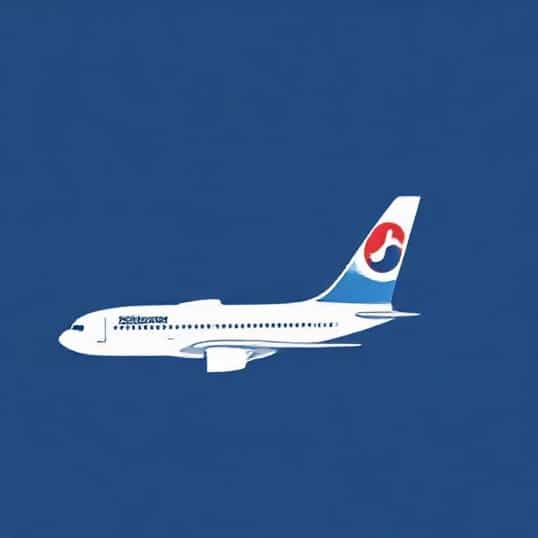
In March 2025, Korean Air unveiled a new corporate branding and livery, marking the first significant update in 41 years. The new design features a modernized dark blue font spelling Korean” on a light blue fuselage with a metallic effect, and a simplified dark blue taeguk symbol on the tail. This rebranding symbolizes the integration of the two airlines and aims to present a unified and contemporary image to customers.
Impact on the Aviation Market
The merger has profound implications for the aviation industry, both regionally and globally. By consolidating operations, the merged entity can achieve economies of scale, reduce operational costs, and offer a more extensive network of routes. This positions the airline to better compete with other major Asian carriers and enhances its ability to serve a broader customer base.
Competition and Consumer Concerns
While the merger strengthens the airline’s competitive position, it also raises concerns about reduced competition in certain markets. Regulatory bodies have closely scrutinized the merger to ensure that it does not lead to monopolistic practices or harm consumer interests. In response, Korean Air has committed to maintaining competitive pricing and service quality to address these concerns.
Future Outlook
Looking ahead, the successful integration of Asiana Airlines into Korean Air’s operations is crucial for realizing the full benefits of the merger. The airline plans to expand its fleet, enhance customer service offerings, and explore new markets to drive growth. Additionally, the consolidation of low-cost carriers under a single brand aims to streamline operations and improve profitability.
Challenges and Opportunities
The integration process presents several challenges, including aligning corporate cultures, consolidating IT systems, and harmonizing employee benefits. However, these challenges also present opportunities to innovate and improve operational efficiency. By leveraging the strengths of both airlines, the merged entity can position itself as a leader in the global aviation industry.
The merger between Korean Air and Asiana Airlines represents a significant development in the aviation sector, driven by strategic objectives to enhance competitiveness and ensure the sustainability of South Korea’s airline industry. While the integration process presents challenges, it also offers opportunities for growth and innovation. As the merged entity works toward full integration, its success will depend on effective management, customer satisfaction, and the ability to adapt to the dynamic global aviation landscape.