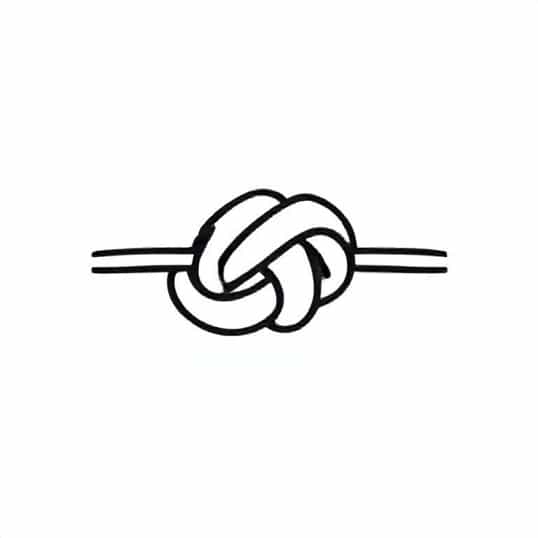
Knot To Loosen And Tighten Bracelet
Adjusting the fit of a bracelet can sometimes be trickier than it appears, especially when dealing with strings, cords, or woven designs that use knots to secure the piece. A bracelet that is too tight can be uncomfortable and restrictive, while one that is too loose risks slipping off and getting lost. Learning the right techniques for loosening and tightening knots is essential for anyone who wears adjustable bracelets regularly. This process not only ensures a comfortable fit but also prolongs the lifespan of your bracelet, preventing fraying or damage caused by improper handling. Understanding the types of knots and their specific adjustment methods can make this task easier and more efficient.
Understanding the Types of Bracelet Knots
Before attempting to adjust a bracelet, it’s important to identify the type of knot being used. Not all knots function the same way, and using the wrong technique can result in damaging the bracelet. Some common knots found in bracelets include sliding knots, square knots, and macrame knots. Each serves a different purpose and requires a slightly different approach to adjust the fit.
Sliding Knots
Sliding knots are often used in adjustable cord bracelets. They allow the wearer to pull the ends of the cord to either tighten or loosen the bracelet. This type of knot is particularly popular because it offers a simple and efficient way to make size adjustments without using additional tools. Sliding knots are created by looping the cord over itself multiple times, forming a secure yet movable hold.
Square Knots
Square knots are typically used for decorative purposes but can also provide some adjustability in braided bracelets. They are formed by tying two strands together in an alternating pattern, which creates a flat, symmetrical knot. Adjusting square knots may require gently loosening the weave to change the size of the bracelet without compromising its overall design.
Macrame Knots
Macrame knots, commonly used in handcrafted or bohemian-style bracelets, involve a series of intricate knots that form patterns. Adjusting these knots can be more complex because the tension of one knot often affects others in the sequence. Careful manipulation is necessary to maintain the integrity of the design while adjusting the bracelet’s size.
Tools You Might Need
While many adjustable bracelets can be loosened or tightened using just your fingers, some knots may benefit from simple tools. A pair of tweezers, a toothpick, or a small needle can help you gently manipulate tight knots without causing damage. Avoid using sharp objects that could cut or fray the cord. For bracelets with metal components, such as clasps or charms, a soft cloth can prevent scratching while adjusting the knot.
Loosening a Bracelet Knot
Loosening a knot generally requires patience and gentle movements. Start by identifying the direction in which the knot can slide. For sliding knots, hold the knot securely while pulling the bracelet cord away from it. Apply even pressure to avoid abrupt movements that could tighten the knot further or damage the cord. For more complex knots, such as macrame or square knots, gently wiggle the strands to release tension incrementally. If a knot is particularly tight, using a toothpick or tweezers can help you separate the loops carefully.
- Hold the knot firmly with one hand while pulling the cord gently with the other.
- Apply small, incremental movements instead of forceful tugs.
- Use a soft tool, like a toothpick, to ease particularly tight knots.
- Check frequently to ensure the bracelet isn’t being stretched or damaged.
Tightening a Bracelet Knot
Tightening a bracelet requires controlled movements to ensure the knot remains secure while adjusting the fit. For sliding knots, pull both ends of the cord evenly until the bracelet fits comfortably around your wrist. With square or macrame knots, gently pull the specific strands that influence the bracelet’s overall size, making sure not to distort the pattern. After tightening, double-check that the knot is secure and that the bracelet will not loosen during daily wear.
- Pull the ends of sliding knots evenly to achieve a snug fit.
- Adjust individual strands in braided or macrame bracelets carefully.
- Ensure the knot is tight enough to hold the size but not so tight that it risks fraying the cord.
- Test the bracelet’s security by gently shaking it before wearing it regularly.
Maintenance Tips for Knotted Bracelets
Proper care can extend the life of your bracelet and make adjusting knots easier. Avoid exposing the bracelet to excessive moisture, as this can weaken certain materials. Regularly inspect the knots for signs of wear or fraying and address any issues promptly. If a knot becomes damaged beyond simple adjustment, consider restringing the bracelet or seeking help from a professional jewelry repair service. Additionally, store bracelets in a way that prevents tangling, which can make knots difficult to loosen or tighten.
Additional Advice for Comfort and Safety
When adjusting bracelet knots, ensure that the bracelet is neither too tight nor too loose. A bracelet that is overly tight can restrict blood flow, cause discomfort, or leave indentations on the skin. Conversely, a bracelet that is too loose can slip off and get lost. Make small adjustments gradually, checking the fit frequently. For bracelets worn daily, periodic adjustments may be necessary as cords and materials can stretch over time.
- Check for comfort and wrist mobility after adjusting the knot.
- Make incremental adjustments to avoid over-tightening or over-loosening.
- Keep the bracelet away from sharp objects and chemicals that could weaken the cord.
- Consider reinforcing sliding knots with a small dab of clear jewelry glue for long-term security.
Mastering the technique to loosen and tighten bracelet knots ensures a comfortable and secure fit while preserving the bracelet’s appearance and functionality. Understanding the type of knot, using gentle movements, and employing simple tools when necessary can make adjustments easier and safer. Regular maintenance, careful handling, and attention to comfort will extend the life of your bracelets and make wearing them a more enjoyable experience. Whether you own simple cord bracelets or intricate macrame designs, proper knot adjustment is key to both aesthetics and practicality, allowing you to enjoy your jewelry for years to come.