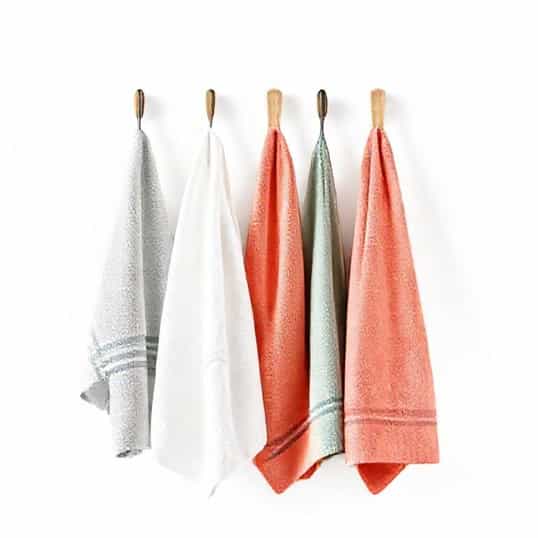
Kitchen Towels And Dishcloths
Maintaining a clean and efficient kitchen involves more than just cooking skills; the right tools and accessories play a crucial role. Among the most essential yet often overlooked items are kitchen towels and dishcloths. These everyday items are indispensable for drying, cleaning, and handling hot cookware, making them a staple in every home. Understanding the differences between kitchen towels and dishcloths, their uses, materials, and care can enhance kitchen hygiene and improve daily cooking routines.
Understanding Kitchen Towels
Kitchen towels, sometimes called tea towels, are versatile pieces of fabric designed for multiple purposes in the kitchen. They are typically made from cotton, linen, or a blend of fibers, offering durability and absorbency. Kitchen towels are primarily used for drying hands, dishes, and surfaces, but they also serve decorative purposes in many households. They come in various sizes, textures, and designs, allowing homeowners to choose towels that match both function and aesthetics.
Types of Kitchen Towels
- Cotton Kitchen TowelsThese are the most common type, highly absorbent, and easy to wash. Cotton towels are ideal for drying dishes, wiping counters, and handling hot cookware.
- Linen Kitchen TowelsLinen towels are durable and become softer with use. They dry quickly and are often used for both functional and decorative purposes.
- Microfiber TowelsMicrofiber towels are synthetic and extremely absorbent, making them perfect for streak-free drying of glassware and delicate surfaces.
- Decorative TowelsSome kitchen towels are designed primarily for decoration, featuring prints or embroidery, and are often used to enhance kitchen aesthetics while remaining functional.
Uses of Kitchen Towels
Kitchen towels serve many roles in a household kitchen. They are essential for
- Drying dishes and glassware efficiently without leaving streaks or water spots.
- Wiping and cleaning countertops, tables, and other surfaces to maintain hygiene.
- Handling hot pots, pans, and baking trays safely.
- Covering rising dough or keeping baked goods warm.
Understanding Dishcloths
Dishcloths, also known as dish rags or washcloths, are smaller pieces of fabric designed specifically for cleaning tasks in the kitchen. They are typically made from cotton or cotton blends and feature a textured surface to scrub and remove food residues. Unlike kitchen towels, dishcloths are primarily functional and less often decorative, although many modern designs combine style with practicality.
Types of Dishcloths
- Cotton DishclothsHighly absorbent and durable, these are ideal for daily washing and cleaning tasks.
- Microfiber DishclothsExcellent for scrubbing and cleaning surfaces without scratching, microfiber cloths also pick up more dirt and bacteria compared to traditional cotton cloths.
- Loofah or Scrubbing ClothsSome dishcloths incorporate natural fibers or rough textures to enhance scrubbing power, making them perfect for tough stains or stuck-on food.
Uses of Dishcloths
Dishcloths are specialized for cleaning tasks and can be used for
- Washing dishes, pots, and pans efficiently.
- Scrubbing counters, sinks, and stovetops to remove food residue.
- Wiping spills and stains from kitchen surfaces.
- Cleaning appliances and small kitchen tools that require a soft yet effective cleaning cloth.
Choosing the Right Kitchen Towels and Dishcloths
Selecting the right kitchen towels and dishcloths depends on both material and purpose. While cotton and linen towels are excellent for drying and handling hot items, microfiber towels offer streak-free results for glass and delicate surfaces. Dishcloths should be durable, absorbent, and easy to clean, especially if they are used for scrubbing tasks. Considering these factors ensures that your kitchen remains clean and efficient, while also prolonging the life of your towels and cloths.
Material Matters
Choosing the right material is key to performance. Cotton is highly absorbent, soft, and easy to maintain. Linen is stronger, dries quickly, and resists odors. Microfiber is synthetic but excels at picking up water, dirt, and grease without leaving streaks. Blended fabrics can offer a balance between softness, durability, and absorbency, depending on your needs.
Size and Thickness
The size and thickness of towels and cloths also affect their performance. Larger towels are better for drying large pots, pans, or multiple dishes at once, while smaller towels are convenient for quick hand drying. Thicker cloths may provide extra absorbency and durability but can take longer to dry. Choosing the right combination of size and thickness can enhance efficiency in the kitchen.
Maintaining and Cleaning Kitchen Towels and Dishcloths
Proper maintenance is essential to keep kitchen towels and dishcloths hygienic and long-lasting. Regular washing removes bacteria, food residues, and odors, ensuring that these tools remain safe for use in food preparation areas.
Washing Tips
- Wash towels and dishcloths frequently, preferably after every few uses.
- Use hot water and mild detergent to remove stains and bacteria effectively.
- Avoid using fabric softeners on towels, as this can reduce absorbency.
- Separate heavily soiled dishcloths from lightly used towels to prevent cross-contamination.
Drying and Storage
Proper drying prevents mold, mildew, and unpleasant odors. Towels and dishcloths should be air-dried completely or placed in a dryer with adequate heat. Store them in a clean, dry place to maintain hygiene and readiness for use.
Environmental Considerations
Many households are now focusing on sustainability in kitchen practices. Choosing reusable, high-quality kitchen towels and dishcloths reduces waste compared to disposable paper towels. Cotton and linen cloths are biodegradable, while microfiber options may last longer and reduce the need for frequent replacements. Selecting eco-friendly options aligns kitchen efficiency with environmentally responsible practices.
Kitchen towels and dishcloths are essential tools that play a vital role in maintaining cleanliness, efficiency, and safety in the kitchen. Understanding the differences between them, including their materials, sizes, and uses, allows for more effective cooking and cleaning practices. Proper selection, maintenance, and care ensure that these items remain durable, hygienic, and efficient, contributing to a more organized and functional kitchen environment. Whether drying dishes, handling hot cookware, or scrubbing surfaces, investing in the right kitchen towels and dishcloths enhances everyday kitchen activities and supports a cleaner, more efficient culinary experience.